You've seen the "Tbilisi is so cheap!" posts on Reddit. You've also seen the "it's not that cheap anymore" replies. Both are right, depending on your lifestyle. Here's what it actually costs to live in Tbilisi in 2026 — no hand-waving, just real numbers from people who pay these bills every month.
Currency Note
Georgia uses the Georgian Lari (GEL). As of early 2026, 1 USD ≈ 2.7 GEL. Most rental prices are quoted in USD. Everything else is in Lari. All USD figures in this guide use that rate.
The TL;DR — Monthly Budget Overview
Before we go deep, here's the bottom line. These are realistic monthly totals for a single expat living in Tbilisi:
Now let's break down each category so you know exactly where the money goes.
The Price Reality: How 2022 Changed Everything
You can't talk about Tbilisi's cost of living without acknowledging the elephant in the room. When Russia invaded Ukraine in February 2022, hundreds of thousands of Russians, Belarusians, and Ukrainians relocated to Georgia almost overnight. Tbilisi's population surged. Rents doubled in some neighborhoods within months. Inflation hit 12%.
That initial shock has largely corrected. Inflation is back to around 2.7% in 2026. Many of the 2022 arrivals have moved on to other countries or back home. But prices didn't return to their pre-2022 levels — they settled somewhere in between. Tbilisi went from "absurdly cheap" to "very affordable" in the space of a year, and that's where it's stayed.
The practical impact: if you read a blog post from 2021 saying you can live in Tbilisi on $600/month, adjust those numbers up by 30–50%. The fundamentals are still great — but this isn't 2019 anymore.
Rent & Housing
Rent is your biggest expense — usually 40–50% of your total budget. The market has stabilized since the 2022 spike, but "dirt cheap" is no longer accurate for central neighborhoods.
| Apartment Type | City Center | Outside Center | Notes |
|---|---|---|---|
| Studio / 1-bedroom | $500–$750 | $350–$500 | Most common for solo expats |
| 2-bedroom | $700–$1,000 | $500–$700 | Couples or home-office setup |
| 3-bedroom | $1,000–$1,500 | $700–$1,000 | Families, shared flats |
| New-build luxury (Vake/Vera) | $1,200–$2,000+ | — | Modern finishes, parking, gym |
What "city center" means: Vake, Vera, Saburtalo, Old Town, Marjanishvili, and the Rustaveli area. "Outside center" means Gldani, Isani, Didube, Dighomi, or Chugureti — still well-connected but less walkable to the main social hubs.
Seasonal Rent Swings
Rent prices in Tbilisi follow a predictable cycle. November through February is low season — landlords are more flexible, prices drop 10–25%, and you have more negotiating power. May through September is peak season thanks to tourist arrivals and new expats. If you can time your apartment search for late autumn, you'll save real money. For the full breakdown, see our renting guide.
Where Expats Actually Live
🌳 Vake
Most popular with expats. Tree-lined streets, good cafés, Vake Park, international schools nearby. The most expensive neighborhood — and increasingly overrated for the price.
1-bed: $550–$800🎨 Vera
Bohemian, walkable, full of character. Smaller apartments, quiet streets, very central. Arguably the best location-to-price ratio in Tbilisi.
1-bed: $500–$700🏙️ Saburtalo
Best value for money. Good metro access, supermarkets, newer buildings mixed with Soviet blocks. Where most long-term expats on a budget end up — and where they stay.
1-bed: $400–$600🎭 Marjanishvili
Hip and central. Fabrika hostel crowd, galleries, nightlife. Noisier but vibrant. Great for younger expats who want to be in the mix.
1-bed: $500–$750🕌 Chugureti
Multicultural melting pot. Middle Eastern food scene, Dry Bridge flea market, Bassiani nearby. Under-the-radar and genuinely interesting.
1-bed: $350–$500🏗️ Didi Dighomi
Suburban new-build district. Modern apartments, family-oriented, growing infrastructure. 20-minute bus ride to center. Best if you want space and newness over walkability.
1-bed: $300–$450For the full neighborhood breakdown with commute times, detailed pros/cons, and rent seasonality, see our neighborhoods guide.
Utilities & Internet
Utilities in Tbilisi are genuinely cheap — this is where the cost advantage really shows compared to Western Europe. For a typical 85m² apartment:
| Utility | Summer (GEL) | Winter (GEL) | Annual Avg (USD) |
|---|---|---|---|
| Electricity | 30–50 GEL | 40–80 GEL | $15–25/mo |
| Gas (heating + cooking) | 15–30 GEL | 150–300 GEL | $25–60/mo |
| Water + garbage | 10–20 GEL | 10–20 GEL | $5–8/mo |
| Internet (60+ Mbps fiber) | 45–90 GEL | 45–90 GEL | $17–33/mo |
| Mobile plan (10GB+ data) | 20–45 GEL | 20–45 GEL | $7–17/mo |
The Winter Heating Trap
This catches every new arrival. Your summer utility bill of 80 GEL suddenly becomes 300–400 GEL in December. Gas heating is the main culprit — old Soviet radiators are inefficient, and many apartments have poor insulation. Always ask about the heating system before signing a lease. Gas is cheaper than electric heaters, but central heating (rare outside new builds) is cheapest of all. See our utilities guide for setup details and our renting guide for what to check before signing.
Internet quality: Tbilisi has excellent internet. Magti and Silknet are the main providers. Fiber is widely available in central neighborhoods, and 100 Mbps plans are standard. Remote workers: this is not a city where you'll struggle to take Zoom calls. See our internet & phone guide for provider comparisons.
Groceries & Markets
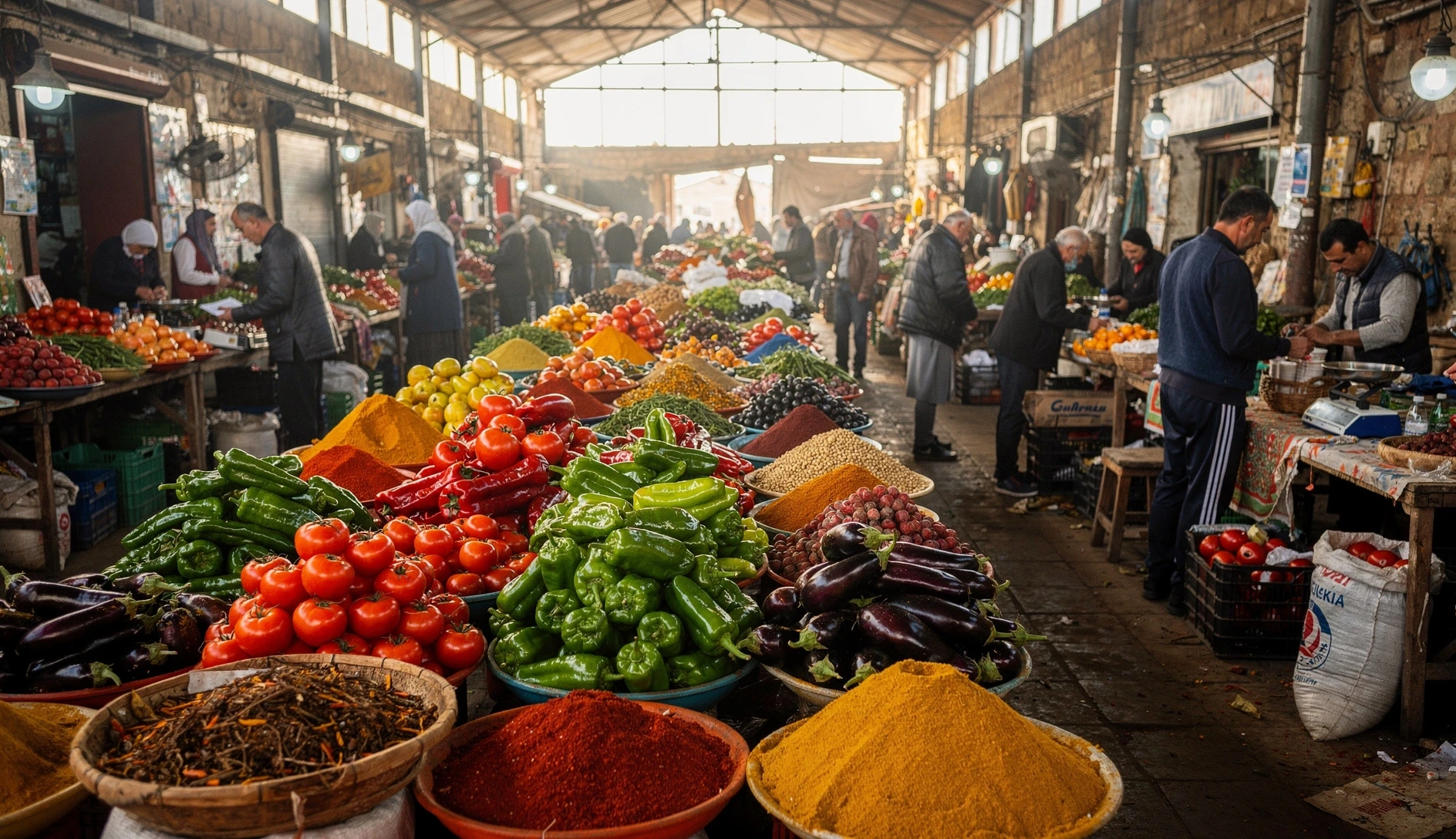
Grocery shopping is where Tbilisi genuinely shines. Local produce, dairy, bread, and meat are cheap and excellent quality. It's when you start reaching for imported brands that prices start looking European.
| Item | Price (GEL) | Price (USD) | Notes |
|---|---|---|---|
| Bread (shotis puri, 500g) | 2.00 GEL | $0.74 | Fresh from tone ovens everywhere |
| Milk (1 liter) | 5.35 GEL | $2.00 | Sante or Alali brands |
| Eggs (12) | 6.50–7.50 GEL | $2.40–2.80 | Free-range cost more |
| Chicken breast (1 kg) | 18.00 GEL | $6.70 | Cheaper whole |
| Beef (1 kg) | 27.00 GEL | $10.00 | Market price; supermarket slightly more |
| Local cheese — sulguni (1 kg) | 18–25 GEL | $6.70–9.25 | Cheaper at bazaar than supermarket |
| Tomatoes (1 kg) | 3–8 GEL | $1.10–3.00 | Huge seasonal swing — cheap in summer, expensive in winter |
| Potatoes (1 kg) | 2.00 GEL | $0.74 | Staple, always cheap |
| Wine (mid-range Georgian) | 15–25 GEL | $5.50–9.25 | Excellent quality at this price |
| Imported olive oil (1L) | 25–40 GEL | $9.25–14.80 | Same price as Europe — import markups |
| Water (1.5L bottle) | 1.80 GEL | $0.67 | Borjomi, Nabeghlavi, Likani |
Monthly grocery bill: A single person cooking at home most days should budget $200–$350/month. If you eat a lot of imported products, protein-heavy diets, or specialty items, it'll be closer to $400.
Where to Shop
Dezerter Bazaar — Tbilisi's largest farmers' market. Unbeatable for produce, cheese, spices, and dried fruit. 30–50% cheaper than supermarkets. Carrefour, Nikora, Ori Nabiji — main supermarket chains with similar pricing. Goodwill — premium imported goods, good for international products but pricey. Corner shops (magazias) — everywhere, great for basics. Glovo and Wolt — grocery delivery with small markup. See our grocery shopping guide for the full breakdown.
Seasonal Price Swings
Produce prices in Georgia swing dramatically with the seasons. Summer tomatoes cost 3 GEL/kg; winter tomatoes cost 8 GEL/kg. Watermelons are practically free in August. Citrus is cheapest in winter. If you cook seasonally and shop at bazaars, your food bill drops significantly from June through October.
Eating Out & Cafés
Eating out in Tbilisi is still one of the best deals in Europe. Georgian food is hearty, generous, and cheap. The specialty coffee scene is thriving. Here are current prices:
| Item | Price (GEL) | Price (USD) |
|---|---|---|
| Local restaurant meal (one person) | 25–40 GEL | $9–15 |
| Mid-range dinner for 2 (3 courses + wine) | 100–160 GEL | $37–59 |
| Khachapuri (Adjarian, whole) | 12–18 GEL | $4.50–6.70 |
| Khinkali (per piece) | 1.2–1.8 GEL | $0.45–0.67 |
| Cappuccino (specialty café) | 8–12 GEL | $3–4.50 |
| Draft beer (0.5L) | 7–12 GEL | $2.60–4.50 |
| Cocktail at a bar | 15–25 GEL | $5.50–9.25 |
| McDonald's combo | 24 GEL | $8.90 |
| Food delivery (Glovo/Wolt, avg order) | 25–40 GEL | $9–15 |
A full Georgian meal — khachapuri, khinkali, salad, and a beer — comes to 35–50 GEL ($13–18) per person at a good local spot. That's hard to beat anywhere in Europe. Even the "nice" restaurants (Shavi Lomi, Barbarestan, Café Littera) rarely exceed 200 GEL ($74) for two people with wine.

The café budget: Tbilisi has an incredible specialty coffee scene — third-wave shops on nearly every block in central neighborhoods. Budget for coffee lovers: 200–400 GEL ($75–150) per month if you're drinking 1–2 coffees a day at cafés. The coworking & cafés guide has the best spots for remote workers.
The "Expat Tax" Is Real
Restaurants in tourist-heavy areas (Shardeni Street, Old Town) charge 30–50% more than identical food two blocks away. Locals never eat on Shardeni. The same khachapuri that costs 8 GEL in Saburtalo costs 15 GEL with a view of the Mtkvari River. Learn to walk one street over. Your wallet will thank you.
Transport
Tbilisi is compact enough that many expats barely spend anything on transport. Here's the cost picture:
| Transport | Cost | Notes |
|---|---|---|
| Metro / bus (single ride) | 1 GEL ($0.37) | Metromoney card, transfers free for 90 min |
| Monthly transport pass | 40 GEL ($15) | Unlimited rides, metro + bus |
| Bolt ride (5 km) | 5–10 GEL ($2–4) | Surge pricing during rush hour |
| Bolt across town (10+ km) | 12–20 GEL ($4.50–7.50) | Vake to airport area |
| Gasoline (1 liter) | 3.10 GEL ($1.15) | Cheaper than Europe, more than the US |
| Car insurance (CASCO, annual) | 1,000–3,000 GEL | 3–7% of car value; see insurance guide |
Monthly transport budget: Walk + metro = $15–30. Occasional Bolt taxis = $80–150. Most expats fall somewhere in between. If you own a car, add $100–200/month for fuel, insurance, and parking. See our getting around guide for full details.
Skip the Car
Unless you're regularly driving outside Tbilisi, a car is a liability, not an asset. Parking is a nightmare in central neighborhoods, Tbilisi drivers are aggressive, and Bolt is so cheap that the math almost never works out in favor of car ownership. For weekend trips to Kazbegi or Kakheti, just rent one. See the buying a car guide if you disagree.
Healthcare & Insurance
Healthcare in Tbilisi is affordable but variable in quality. Private clinics serving expats offer good care at prices that seem almost unreal if you're coming from the US.
💰 Typical Costs (Private Clinics)
- GP visit: 40–80 GEL ($15–30)
- Specialist visit: 60–150 GEL ($22–55)
- Dental cleaning: 80–150 GEL ($30–55)
- Blood panel: 50–120 GEL ($18–44)
- MRI scan: 300–600 GEL ($110–220)
- Emergency room visit: 200–500 GEL ($74–185)
🏥 Insurance Options
- Local (GPI, Aldagi, TBC): 60–150 GEL/mo. Good for routine + catastrophe.
- International (Cigna, Allianz): $250–600/mo. Evacuation coverage, global.
- Hybrid strategy: Local plan + $5K emergency fund. Smart and cheap.
- No insurance: Many expats self-pay. Works until it doesn't.
The best private hospitals for English-speaking expats: MediClub Georgia, Todua Clinic, and New Hospitals (Akhali Saavadmyofo). For the full breakdown of local vs. international plans, see our insurance guide and healthcare guide.
Clothing & Personal Care
This is where Georgia stops being cheap. Clothing is imported, so you pay import markups on everything. If you're used to European retail prices, you'll be surprised — it's often the same or more.
| Item | Price (GEL) | Price (USD) |
|---|---|---|
| Levi's 501 or equivalent | 270–420 GEL | $100–155 |
| Nike running shoes (mid-range) | 270–420 GEL | $100–155 |
| Zara/H&M summer dress | 60–270 GEL | $22–100 |
| Men's leather business shoes | 170–680 GEL | $62–252 |
| Haircut (men's, basic) | 15–40 GEL | $5.50–15 |
| Haircut (women's, salon) | 40–120 GEL | $15–44 |
The smart play: stock up on clothes when you travel to Europe or Turkey. Tbilisi malls (East Point, Galleria) carry all the major brands but at import-inflated prices. For haircuts and personal care, Georgia is very cheap — just not for retail shopping.
Lifestyle, Fitness & Entertainment
| Activity | Cost (GEL) | Cost (USD) |
|---|---|---|
| Gym membership (monthly) | 95–350 GEL | $35–130 |
| Yoga/pilates class (single) | 25–40 GEL | $9–15 |
| Coworking space (monthly) | 250–500 GEL | $90–185 |
| Cinema ticket | 15–20 GEL | $5.50–7.40 |
| Sulfur bath (Abanotubani, private room) | 50–150 GEL | $18–55 |
| Weekend trip to Kazbegi (transport + guesthouse) | 100–250 GEL | $37–93 |
Tbilisi has a surprising depth of entertainment. The nightlife scene (Bassiani, Khidi, Mtkvarze) is world-famous in the electronic music community. Wine bars, art exhibitions, film festivals, and a growing foodie scene mean you won't get bored. The nightlife guide and fitness guide cover the specifics.
Childcare & Schools
If you're moving with a family, education is your biggest variable cost — and the range is enormous.
| Type | Cost | Notes |
|---|---|---|
| Private kindergarten | $185–$460/month | Quality varies hugely; visit before committing |
| International primary school | $2,200–$20,000/year | QSI and BIS at the top end |
| Local Georgian school | Free (public) | All in Georgian; some take foreign kids |
| Nanny/babysitter | $300–$600/month full-time | Very affordable; common even for middle-income families |
Most expat families with younger children find good-quality private kindergartens in the $300–500/month range. Full-time nannies are remarkably affordable compared to Western countries — a common option that's out of reach for most families back home. See our education guide and having a baby guide for details.
The Freelancer & IE Cost Layer
Many expats in Georgia earn through freelancing or as Individual Entrepreneurs (IEs) taking advantage of the 1% income tax regime. These business costs don't show up in standard "cost of living" comparisons but they're real money out of your pocket every month.
| Business Cost | Cost | Frequency |
|---|---|---|
| IE registration | Free | One-time |
| IE income tax | 1% of revenue | Monthly |
| Accountant | 100–300 GEL ($37–111) | Monthly |
| Labour permit (new for 2026) | 200–400 GEL ($74–148) | Per application |
| Residence permit (work-based) | 300 GEL ($111) | Annual renewal |
| Bank account maintenance | 0–5 GEL/mo | Monthly |
| Money transfer fees (Wise/SWIFT) | 1–2% of transfers | Per transfer |
New for March 2026: Labour Permits
Georgia now requires a "Right to Work" labour permit for all foreign workers and self-employed individuals, including IE holders. This adds 200–400 GEL to your setup costs. Remote workers for foreign companies with no Georgian ties are likely exempt. See our labour permit guide for the full details.
For the complete picture on taxes, business setup, and banking, see our guides on taxes, starting a business, banking, and money transfers.
Sample Monthly Budgets
Four realistic budgets based on actual expat spending patterns:
🎒 Solo Digital Nomad — Budget
💼 Single Professional — Comfortable
👫 Couple — Good Quality of Life
👨👩👧 Family with One Child
Hidden Costs Nobody Mentions
Every "cost of living" guide gives you rent, food, transport. Here's what actually catches people off guard:
🧾 Import Markups
International brands cost as much as in Europe. Good olive oil, parmesan, specialty ingredients from Goodwill — European prices. Nike shoes: 320 GEL ($118). Don't plan to buy clothes here.
🔧 Apartment Repairs
Soviet-era apartments break down. Plumbing leaks, heating quirks, electrical issues. Some landlords handle it; many don't. Budget a small emergency fund, especially in winter.
✈️ Exit Flights
Tbilisi isn't a flight hub. Budget airlines are limited. Flying to Western Europe: $150–400 round-trip. Flights home for holidays add up fast. This is the hidden cost that blows budgets.
🎉 The Social Tax
Tbilisi has an active social scene — dinners, wine nights, weekend trips. If you're social (and you should be), expect to spend 30–50% more on dining and entertainment than you budgeted.
💸 Money Transfer Costs
Getting money into Georgia isn't free. Wise charges ~1.5%. SWIFT wires: 0.2–0.3% + bank fees. If you're transferring $3,000/month, that's $45–90/month in fees. See our money transfers guide.
📦 Shipping & Packages
Amazon doesn't ship to Georgia. You'll use parcel forwarding services (USA2Georgia, ONEX) which add $3–8/kg. That "$30 item" becomes $45 by the time it arrives. See our shipping guide.
🏥 The Uninsured Risk
Routine healthcare is cheap. A hospitalization or surgery isn't. A serious car accident requiring intensive care can run 50,000+ GEL ($18,500). Many expats skip insurance until the one time they need it.
🪑 Initial Setup Costs
First month: deposit (1 month rent), SIM card, Metromoney card, basic kitchen supplies, maybe a heater for winter. Budget $500–1,000 for setup on top of your first month's living costs.
How Tbilisi Compares to Other Cities
Context matters. Here's how a comfortable single-person monthly budget stacks up against other popular expat destinations:
| City | Monthly Budget (Single) | vs. Tbilisi |
|---|---|---|
| 🇬🇪 Tbilisi | $1,400–$1,800 | — |
| 🇹🇭 Bangkok | $1,200–$1,800 | Similar |
| 🇹🇷 Istanbul | $1,200–$1,600 | Similar (but volatile with lira) |
| 🇲🇽 Mexico City | $1,500–$2,200 | 10–20% more |
| 🇵🇹 Lisbon | $2,200–$3,000 | 50–70% more |
| 🇩🇪 Berlin | $2,500–$3,500 | 70–100% more |
| 🇺🇸 New York | $4,000–$6,000 | 180–300% more |
Tbilisi isn't the cheapest city in the world anymore — post-2022 relocations saw to that. But for the quality of life you get — great food, beautiful city, safe streets, excellent internet, vibrant culture, 1% tax rate — it's still one of the best deals in Europe.
Outside Tbilisi: Even Cheaper
Not everyone lives in the capital. If you're considering other Georgian cities, costs drop significantly:
| City | 1-Bed Rent (Center) | Restaurant Meal | Notes |
|---|---|---|---|
| Batumi | $400–$600 | $7–12 | Beach city; seasonal pricing (summer = peak, winter = dead) |
| Kutaisi | $200–$350 | $5–9 | Very cheap; smaller expat community |
| Telavi | $150–$250 | $4–7 | Wine country; very rural, limited infrastructure |
Kutaisi is particularly interesting for budget-conscious expats — a comfortable life for $800–1,200/month is realistic. Batumi has a growing digital nomad scene but is very seasonal: lively in summer, a ghost town in winter. Both have improving internet infrastructure but far fewer English-speaking services than Tbilisi.
The Lifestyle Inflation Trap
This is the thing nobody warns you about. Most expats arrive in Tbilisi planning to spend $1,200/month and gradually drift to $2,000 within six months. Here's how it happens:
📈 The Upgrade Creep
You arrive in a $400 studio. After two months, you "upgrade" to a $650 one-bedroom because you deserve a proper apartment. After six months, that new-build at $900 looks tempting. Each upgrade feels small but compounds.
🍷 The Social Spiral
You make friends. Friends go out. Wine bars, restaurants, weekend trips to Kakheti. Suddenly "entertainment: $80" becomes $250 because your social life is the best part of living here. Hard to say no.
☕ The Café Office
Working from cafés is amazing — until you realize you're spending 300 GEL/month on coffees and snacks. A coworking membership (250–500 GEL) might actually save money if you're a daily café worker.
✈️ The Travel Bug
Georgia is perfectly positioned for cheap weekend trips — but they add up. Kazbegi, Kakheti, Batumi, Svaneti. Then Turkey, Armenia, Azerbaijan. Then "we should go to Greece." Flight and trip costs can easily hit $200–500/month.
None of this is bad — living well in Tbilisi for $1,800/month is an incredible deal by global standards. Just don't plan a $1,000 budget if your lifestyle naturally gravitates toward $1,600. Be honest with yourself about who you are.
Money-Saving Tips That Actually Work
15 Ways to Spend Less in Tbilisi
- 1. Negotiate rent — especially for 6+ month leases. 10–15% off asking is standard.
- 2. Arrive in November–February — low season means cheaper rent and more landlord flexibility.
- 3. Use SS.ge and MyHome.ge for apartments, not Airbnb (30–50% markup).
- 4. Shop at Dezerter Bazaar for produce, cheese, and spices — 30–50% cheaper than supermarkets.
- 5. Get a Metromoney card — 1 GEL per ride, free transfers for 90 minutes.
- 6. Cook Georgian food at home — ingredients are cheap and recipes are simple.
- 7. Drink Georgian wine — a great bottle is 15–25 GEL. Imported wine costs 3x more.
- 8. Use Bolt over Yandex — usually cheaper. Never hail a cab on the street.
- 9. Skip Goodwill — Carrefour and Nikora have 80% of what you need at half the price.
- 10. Get a local phone plan — Magti or Silknet, not roaming on your home SIM.
- 11. Use Wise for money transfers under $5K — cheapest option for most currencies.
- 12. Avoid the "expat tax" — tourist-area restaurants mark up 30–50%. Walk two blocks and eat local.
- 13. Close unused rooms in winter and invest in a space heater for your work area.
- 14. Explore outside Tbilisi — weekend trips to Kazbegi, Kakheti, or Borjomi are incredibly cheap.
- 15. Don't buy clothes in Georgia — import markups are brutal. Stock up when you travel.
Common Mistakes That Blow Budgets
❌ Renting Sight-Unseen from Abroad
You'll overpay by 30–50% and probably get a worse apartment. Come first, stay in a hostel or Airbnb for a week, and find your place in person. It's worth it.
❌ Defaulting to Vake
Every expat blog says "live in Vake." It's the most expensive neighborhood and not objectively the best. Vera, Saburtalo, and Chugureti offer better value for many lifestyles.
❌ Ignoring Winter Heating Costs
That $80/month utility bill in September becomes $350 in January. If you sign a lease in summer without checking the heating situation, winter will be an expensive surprise.
❌ Skipping Health Insurance
Routine care is cheap, but one hospitalization can cost months of savings. A local standard plan is only $25–35/month — less than two restaurant dinners.
❌ Using Your Home Bank
ATM withdrawal fees, foreign transaction fees, terrible exchange rates — using your home bank card for daily spending costs you 3–5% on every transaction. Open a Georgian bank account immediately.
❌ Budgeting Pre-2022 Prices
Prices have stabilized but they haven't gone back to 2019 levels. If your budget is based on a blog post from 2020, add 30–50% and you'll be more accurate.
Frequently Asked Questions
How much money do you need per month to live in Tbilisi?
A comfortable single expat lifestyle costs $1,400–$1,800/month including rent, food, transport, and entertainment. Budget-conscious expats can manage on $950–$1,200. Couples should plan for $2,000–$2,500. Families with kids: $2,500–$4,000 depending on schooling choices.
Is Tbilisi cheaper than Bangkok?
They're remarkably similar. Tbilisi is slightly cheaper for rent and alcohol, Bangkok for food and transport. Both offer a comfortable lifestyle for $1,400–1,800/month. The big difference is tax: Georgia's 1% IE tax is unbeatable for freelancers.
How much does rent cost in Tbilisi in 2026?
A 1-bedroom in central Tbilisi (Vera, Vake, Saburtalo) costs $500–$750/month. Outside center: $350–$500. Long-term leases (6+ months) can be negotiated 10–15% lower. Winter arrivals get the best deals.
Are groceries expensive in Georgia?
Local groceries are very affordable — $200–350/month cooking at home. Bread, cheese, produce, and meat are cheap. Imported goods (olive oil, Western brands, specialty items) cost European prices or more. Shopping at bazaars saves 30–50% over supermarkets.
Has Tbilisi gotten more expensive since 2022?
Yes, but it's stabilized. The 2022 relocation wave caused a 30–50% rent spike. Prices have come down from the peak but haven't returned to pre-2022 levels. Inflation is back to normal (~2.7%). Tbilisi went from "absurdly cheap" to "very affordable" — still one of the best deals in Europe.
Written by The Georgia Expats Team
We're long-term Georgia residents who pay these bills every month. Everything in this guide is based on firsthand experience living and working in Tbilisi. Prices are verified against Numbeo data, local market research, and real expat spending patterns.
Last updated: February 2026. Exchange rate: 1 USD ≈ 2.7 GEL.
Related Articles
Best Neighborhoods in Tbilisi
Where to live based on budget, lifestyle, and proximity to what matters.
Renting an Apartment in Tbilisi
How to find, negotiate, and secure the right place — without getting scammed.
Sending Money To & From Georgia
SWIFT, Wise, crypto — every method compared with real fee math.
Taxes in Georgia for Expats
The 1% IE tax, income tax, and what you actually owe.