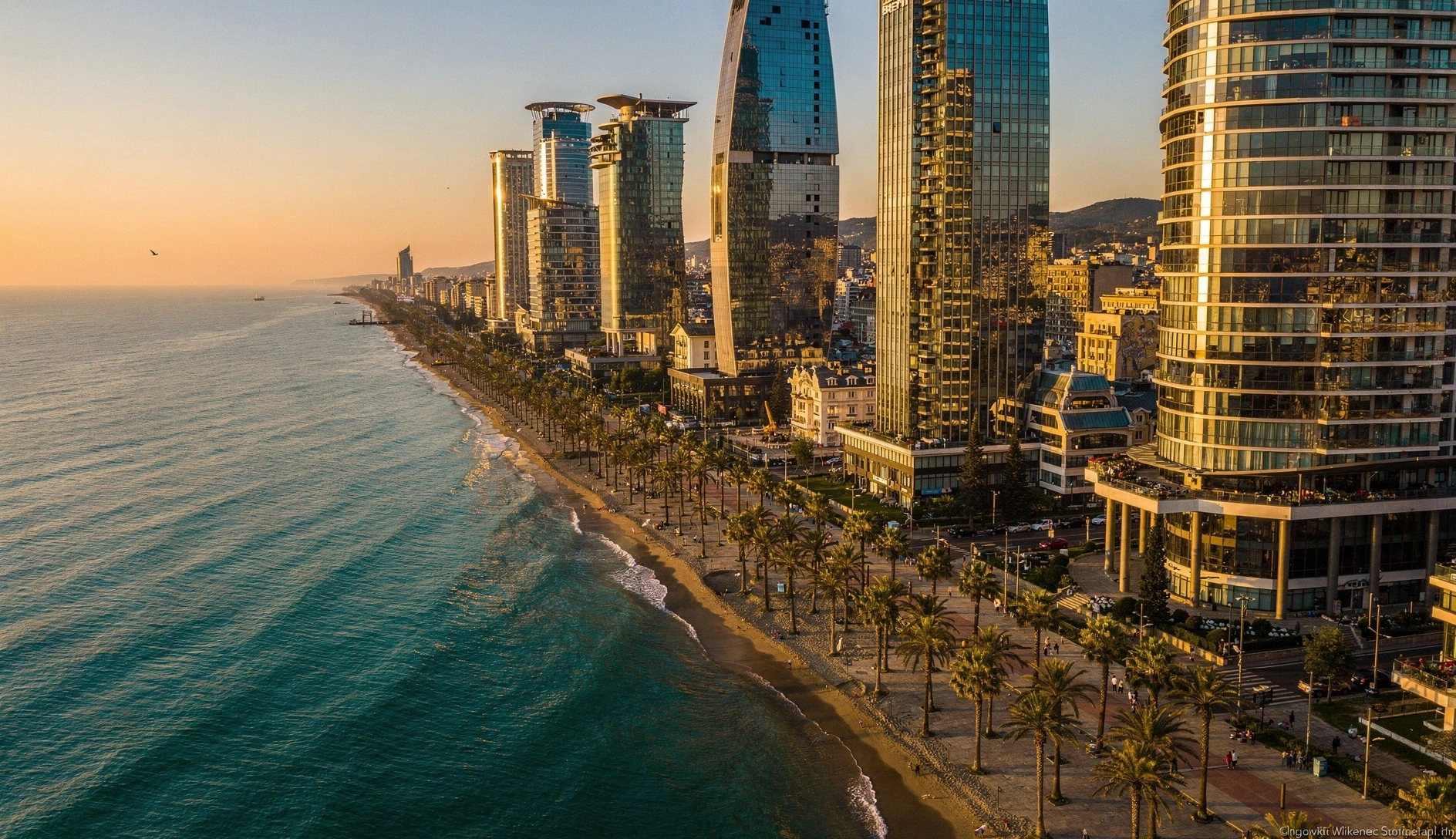
Batumi gets pitched as "the Barcelona of the Black Sea" or "the Vegas of the Caucasus" — both of which are wildly misleading. It's neither. Batumi is its own thing: a compact subtropical coastal city of about 180,000 people, squeezed between the Black Sea and green mountains, with a skyline of glass towers that feels absurdly ambitious for a city this size. It's got casinos, a 7-kilometer seaside boulevard, palm trees, and some of the cheapest rent in any European-adjacent city with actual infrastructure.
For expats, Batumi represents an alternative to Tbilisi that's genuinely different — not just "Tbilisi but smaller." The climate, the pace, the expat community, the upsides and downsides are all distinct. Some people try Tbilisi first and end up in Batumi. Others do the reverse. And a surprising number shuttle between both depending on the season.
This guide covers what living in Batumi actually looks like as a long-term resident, not a summer tourist. The neighborhoods worth considering, the real costs, the weather you need to prepare for, and the honest trade-offs versus Tbilisi.
Batumi vs Tbilisi: The Honest Comparison
This is the first question every expat considering Batumi asks, so let's address it directly. These are genuinely different cities with different lifestyles, not interchangeable options.
| Factor | Batumi | Tbilisi |
|---|---|---|
| Rent (1BR) | $300–500/month | $500–800/month |
| Climate | Subtropical, mild winters, humid summers, lots of rain | Continental, cold winters (-5°C), hot dry summers (35°C+) |
| English levels | Limited — Russian more common as second language | Decent in central areas, younger generation speaks it well |
| Expat community | Smaller, tighter-knit. Heavily Russian-speaking | Large, diverse. Western expats, digital nomads, entrepreneurs |
| Nightlife/culture | Casino bars, seasonal beach clubs, limited off-season | World-class techno clubs, wine bars, live music, year-round |
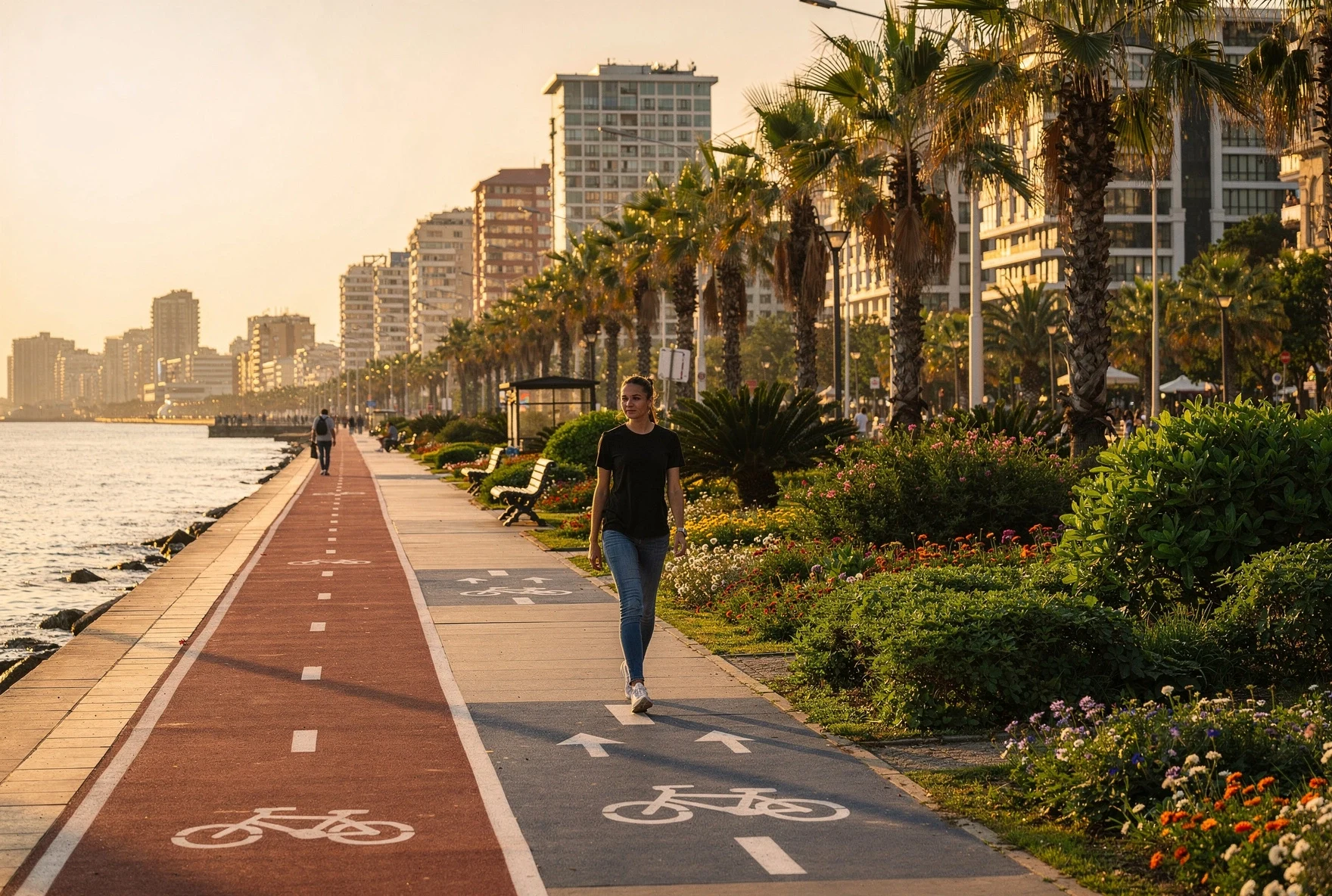
| Walkability | Excellent — flat city, 7km boulevard, bike-friendly | Hilly, harder to walk, better metro system |
| Healthcare | Basic to good. Complex cases go to Tbilisi | Best in the country. Full range of specialists |
| Government services | Public Service Hall exists but less English support | Full English support at main PSH branches |
| Airport | Small, limited routes (Istanbul, Dubai, a few European) | Major hub, direct flights to 50+ destinations |
| Seasonal variation | Extreme — ghost town in winter, chaos in summer | Moderate — busy year-round with mild seasonal shifts |
Who Batumi is actually for
Batumi works best for: remote workers who want beach access and low costs, people who hate cold winters, retirees who want a relaxed pace, anyone who prioritizes walkability and nature over nightlife and culture, and people comfortable in Russian-speaking environments. If you need a diverse international community, active cultural scene, or easy airport access — Tbilisi is the better choice.
Where to Live: Neighborhoods Ranked
Batumi is compact enough that "neighborhoods" are less distinct than in Tbilisi. You can walk across most of the city in 30-40 minutes. But where you choose to live still matters significantly for daily quality of life. Here's the honest breakdown.
Old Town (Recommended)
The most charming area. Narrow streets, 19th-century buildings with wooden balconies, cafés, and a real neighborhood feel. Walking distance to both the boulevard and the city center. Less construction noise than the coast.
Rent: $300–500 (1BR) · Vibe: Historic, walkable, quiet at night
Old Boulevard / Coastal
The established part of the seafront. Porta Towers, Alliance Privilege, and similar complexes house most of the longer-term expat community. Sea views, direct boulevard access. Can be noisy in summer from beachfront bars.
Rent: $400–700 (1BR) · Vibe: Modern, sea views, expat-heavy
New Boulevard
The southern extension of the seafront. Lots of new high-rise developments. Modern apartments with pools and gyms. Feels a bit soulless — more like a resort than a neighborhood. Constant construction. Popular with Russian-speaking expats and investors.
Rent: $350–600 (1BR) · Vibe: New builds, resort feel, under construction
City Center / Agmashenebeli
The commercial core along Agmashenebeli and surrounding streets. Banks, shops, markets, restaurants. Not as picturesque as Old Town but very practical for daily life. Good selection of Soviet-era apartments at lower prices.
Rent: $250–400 (1BR) · Vibe: Practical, local, central
Makhinjauri / Chakvi
Suburbs south of Batumi along the coast. Green, quiet, semi-rural. Cheap rent and close to the Botanical Garden. Good if you want nature and don't mind being 15-20 minutes from the center. Limited services and nightlife.
Rent: $200–350 (1BR) · Vibe: Quiet, green, budget-friendly
Airport Area / Angisa
Budget-friendly residential area near the southern end. Close to Metro City mall and the airport. Still developing. Less walkable than central areas but cheapest rents in the city. A good option if you're driving.
Rent: $200–300 (1BR) · Vibe: Budget, residential, car-needed
The summer rental trap
If you arrive in summer, you'll find rental prices 50-100% higher than off-season rates. Many landlords switch to nightly Airbnb pricing from June through September. The smart move: arrive in October or November when prices drop and landlords are eager for long-term tenants. You'll lock in much better rates and have more negotiating power for 6-12 month leases.
What It Actually Costs
Batumi is one of the cheapest livable coastal cities in the region. It's noticeably cheaper than Tbilisi for rent and dining, roughly comparable for groceries and utilities. Here's what a realistic monthly budget looks like for a single expat in 2026.
Comfortable Budget (Solo, Off-Season)
| Item | Batumi Price | Tbilisi Price |
|---|---|---|
| Meal at a local restaurant | 12–20 GEL ($4–7) | 15–25 GEL ($5–9) |
| Cappuccino at a café | 5–8 GEL ($2–3) | 6–10 GEL ($2–4) |
| Beer at a bar | 5–8 GEL ($2–3) | 6–10 GEL ($2–4) |
| Gym membership | 60–120 GEL/mo ($22–44) | 80–200 GEL/mo ($30–74) |
| Bolt ride across city | 4–8 GEL ($1.50–3) | 5–15 GEL ($2–6) |
| Grocery basket (weekly) | 80–120 GEL ($30–44) | 90–140 GEL ($33–52) |
Summer price surge
Everything gets more expensive from June through September. Restaurant prices creep up 20-30%, taxi surge pricing becomes constant, and short-term rental prices can triple. If you're on a long-term lease, you're protected from the rent spike — but your daily spending will still increase. Budget an extra 20-30% for summer months.
The Weather: Let's Talk About the Rain
Batumi's climate is the single biggest factor in whether you'll love or hate living there. It has a humid subtropical climate, which sounds nice until you realize what that actually means: it rains a lot. Batumi gets roughly 2,500mm of rainfall per year — that's about 2.5 times more rain than London. It's one of the wettest cities in Europe.
The upside? Winters are dramatically milder than Tbilisi. When Tbilisi hits -5°C with grey skies and dead trees, Batumi sits at 8-12°C with green palm trees and the occasional sunny day warm enough for a jacket-free walk on the boulevard. No snow, no ice, no freezing apartments.
| Season | Temp Range | Rain | What to Expect |
|---|---|---|---|
| Spring (Mar–May) | 12–22°C | Moderate | Best season. Warm, green, flowers blooming, city waking up. April-May are gorgeous. |
| Summer (Jun–Sep) | 25–38°C | Low–Moderate | Hot and humid. Tourist invasion. Beach season. July-August can be oppressively muggy. |
| Autumn (Oct–Nov) | 10–20°C | Heavy | Wettest period. Frequent storms. Tourists leave. City gets quiet. Great rental deals. |
| Winter (Dec–Feb) | 5–12°C | Frequent | Mild but grey and wet. Many restaurants close. Tight-knit community forms. Peaceful. |
The humidity factor
It's not just the rain — it's the humidity. Summer humidity regularly hits 80-90%, making 32°C feel like 40°C. Mold can be a real issue in older apartments, especially ground-floor units. Invest in a dehumidifier, choose apartments with good ventilation, and avoid ground floors. AC isn't a luxury here — it's survival gear from June through September.
The Seasonal Whiplash
The single most distinctive thing about living in Batumi — and the thing most guides underplay — is how dramatically different the city feels between seasons. This isn't like seasonal variation in most cities. It's like living in two completely different places.
Summer Batumi (Jun–Sep)
Population doubles with Georgian and foreign tourists. Traffic jams everywhere. Bolt surge pricing all day. Restaurants packed with long waits. Boulevard crowded shoulder-to-shoulder. Beach bars blasting music until 4 AM. Construction noise from 8 AM. Prices up 30-100%. Energy is electric but chaotic.
Winter Batumi (Nov–Mar)
Half the restaurants close. The boulevard is empty. Some days you'll be the only person in a café. Supermarket shelves are less stocked. Social options shrink dramatically. But: the weather is still mild, rents drop, the city is walkable and peaceful, and the small year-round community becomes tight-knit.
How you feel about this split determines everything. Some expats thrive on the contrast — they love the quiet winters for focused work and the energetic summers for socializing. Others find winter Batumi depressingly dead and summer Batumi unbearably chaotic. There's no wrong answer, but go in with open eyes.
Working Remotely from Batumi
Batumi is viable for remote work, but with some caveats compared to Tbilisi. The fundamentals work — internet speeds are solid in newer buildings, the 1% tax regime applies nationwide, and the low cost of living stretches your runway further.
| Factor | Details |
|---|---|
| Home internet | Magti/Silknet fiber: 50-100+ Mbps in central areas. Older buildings may have slower copper connections. Always test before signing a lease. |
| Mobile data | 4G/5G coverage excellent along the coast. Magti and Silknet both offer unlimited data plans for ~15-25 GEL/month. |
| Coworking spaces | Limited compared to Tbilisi. Terminal Batumi is the main option. Several cafés function as informal workspaces. In summer, more pop-up spaces appear. |
| Café wifi | Variable. Some have solid connections, others are painfully slow. Always have a mobile hotspot backup. Cafés on the boulevard are often packed in summer. |
| Power reliability | Generally stable, but brief outages happen more than in Tbilisi. Consider a UPS for your router if you have critical calls. |
| Time zone | GMT+4 (same as Tbilisi). Works well for European clients (morning overlap) and Middle East. Asia gets afternoon overlap. |
The IE setup is the same
Registering as an Individual Entrepreneur works identically in Batumi — you do it at the Public Service Hall on Tbel Abuseridze Street. Same 1% tax rate, same process. Note that English support at Batumi's PSH is more limited than Tbilisi's, so bring a Georgian-speaking friend or hire a translator for the initial setup. Alternatively, you can register in Tbilisi and live in Batumi — the IE isn't location-bound.
Healthcare in Batumi
Batumi has adequate healthcare for routine needs, but it's a clear step down from Tbilisi for anything complex. For day-to-day medical care, you'll be fine. For anything serious, you'll likely end up making the 5-hour drive (or 30-minute flight) to the capital.
Hospitals
Evex (MedCenter Batumi) is the biggest and best-equipped. International University Hospital is another option. Both handle emergencies, basic surgeries, and diagnostics. For complex procedures or specialist consultations, Tbilisi hospitals are preferred.
Dental Care
Several good dental clinics, including My Dent and Rogo. Prices are similar to or slightly cheaper than Tbilisi. Many dentists speak Russian better than English. Quality is generally good for routine work and cosmetic procedures.
Pharmacies
Pharmacies (aptiaqi) are everywhere and well-stocked with basic medications. Most common drugs are available without prescription. GPC and PSP are the main chains. Staff rarely speak English — use Google Translate or know the generic drug name.
Insurance
Same insurance options as Tbilisi — Aldagi, ARDI, GPI. Private insurance runs 80-200 GEL/month depending on coverage. The public system doesn't cover foreigners. Get insurance — a hospital visit without it can still cost less than the West, but why risk it.
Getting Around
One of Batumi's genuine advantages over Tbilisi: it's flat, compact, and walkable. You can handle 90% of your daily life on foot. The boulevard runs the length of the city along the coast, and most services are within a 15-20 minute walk of the center.
| Method | Cost | Notes |
|---|---|---|
| Walking | Free | Best option for central Batumi. Flat terrain, sidewalks decent on main streets. Boulevard is excellent for walking/jogging. |
| Cycling | Free (own bike) | Dedicated bike lanes along the boulevard. Flat terrain makes it easy. Bike lanes stop/start randomly in some areas. Pedestrians wander into lanes. |
| Bolt taxi | 4–12 GEL | Available and cheap. Surge pricing in summer can double costs. Wait times increase significantly July-August. |
| City bus | 0.40 GEL | Basic but functional bus network. Pay with a transport card (same system as Tbilisi). Routes cover most areas. |
| Marshrutka | 1–3 GEL | Minibuses connecting Batumi to nearby towns (Kobuleti, Chakvi, Sarpi). Cheap but unpredictable schedules. |
| Car rental | 60–120 GEL/day | Useful for day trips to mountains or Turkey border. Not needed for daily city life. Parking is tight in summer. |
Food & Shopping
Batumi's food scene is solid for Georgian cuisine but more limited than Tbilisi for international variety. You'll find excellent fish (this is a port city), good traditional Georgian restaurants, and plenty of cheap places for khachapuri and khinkali. What you'll miss: the diverse international restaurant scene, specialty food shops, and the sheer variety of options that Tbilisi offers.
Groceries
Goodwill, Nikora, and Fresco are the main supermarket chains. Carrefour in Batumi Mall is the biggest option for imported goods. The central market (bazroba) near the mosque has the freshest produce at the lowest prices. Fewer specialty/imported products than Tbilisi's Goodwill or Carrefour.
Dining
Excellent seafood restaurants and traditional Georgian joints. The "tourist menu" problem is real — many restaurants near the boulevard serve bland international food. Go where locals eat: streets behind the mosque, the market area, and spots recommended by long-term residents, not TripAdvisor.
Shopping
Metro City, Carrefour Mall, and Batumi Mall cover most needs. Electronics chains (Alta, Zoomer) have branches but smaller inventory than Tbilisi. For clothes and specialty items, many residents do periodic Tbilisi trips or order online.
Adjarian specialties
Batumi is in Adjara, which has its own culinary identity. Don't miss: Adjarian khachapuri (the boat-shaped egg version — this is where it originated), borano (cheese in butter), sinori (cottage cheese rolls), and fresh Black Sea fish. The regional food here is genuinely special.
The Expat Community
Batumi's expat community is smaller and more Russian-speaking than Tbilisi's. This is a significant factor for English-speaking expats. The community composition breaks down roughly like this:
| Group | Presence | Notes |
|---|---|---|
| Russian-speakers | Largest group | Russians, Ukrainians, Belarusians, Central Asians. The dominant expat demographic. Many relocated since 2022. |
| Turkish | Significant | Cross-border business community. Many businesses and restaurants. Especially visible in summer tourism. |
| Western expats | Small | Americans, Europeans, Brits. Much smaller group than in Tbilisi. Swells somewhat in summer. Active in online communities. |
| Digital nomads | Seasonal | Come for summer, most leave by October. Some stay year-round for the low costs. Less established nomad scene than Tbilisi. |
| South Asian | Growing | Indian and Pakistani students and workers. University community. Increasing presence in service industries. |
If you speak Russian, your social life in Batumi will be dramatically easier. If you only speak English, you'll need to be more intentional about finding your community. Facebook groups (search "Batumi Expats"), Telegram groups, and the handful of English-friendly cafés are your starting points. The smaller Western expat community means that when you do find your people, it gets tight-knit fast — especially in winter.
The Language Situation
This is Batumi's biggest practical challenge for English-speaking expats. Unlike Tbilisi, where younger Georgians commonly speak English, Batumi's second language is Russian — a legacy of the large Russian-speaking community and decades of tourism from CIS countries.
Where English works (and doesn't)
English OK: Some hotels, a few tourist-facing restaurants, some younger staff in central cafés, Bolt drivers (via app translation). English struggles: Government offices (Public Service Hall), hospitals, pharmacies, most taxi drivers, supermarket staff, landlords, utility companies, smaller restaurants. Russian helps everywhere. If you speak even basic Russian, your daily life becomes much smoother. Google Translate with Georgian is your best friend otherwise.
Day Trips & Nearby Escapes
One of Batumi's underrated strengths is proximity to genuinely interesting places. The Turkish border is 20 minutes away. Mountains rise behind the city within an hour's drive. And the Adjarian coastline has quieter beaches and villages worth exploring.
| Destination | Distance | Why Go |
|---|---|---|
| Sarpi / Turkey border | 20 min by taxi | Walk across the border for lunch in Turkey. Visa reset trips. Cheap shopping in Hopa. |
| Batumi Botanical Garden | 15 min by taxi | Stunning 108-hectare subtropical garden on a hillside above the sea. One of the best botanical gardens in the Caucasus. |
| Gonio Fortress | 15 min south | Roman-era fortress. Quick afternoon trip. Beach nearby. Historically significant — may contain the grave of Apostle Matthias. |
| Mtirala National Park | 40 min east | Lush rainforest hiking. "The weeping mountain" — one of the wettest spots in the Caucasus. Waterfalls and pristine nature. |
| Kobuleti | 25 min north | Quieter beach town. Long pebble beach, fewer tourists. Cheaper than Batumi. Protected wetlands for birdwatching. |
| Machakhela National Park | 1 hour southeast | Stunning river gorge along the Turkish border. Arched stone bridges, old villages, dense forest. One of Adjara's hidden gems. |
| Trabzon, Turkey | 3–4 hours by car | Weekend escape for shopping, different food, and change of scenery. Sumela Monastery. Direct minibuses available. |
Getting to Batumi
Batumi is 370 km from Tbilisi. There are several ways to get there, each with trade-offs.
| Method | Time | Cost | Notes |
|---|---|---|---|
| Georgian Railways train | 5–5.5 hours | 25–35 GEL | Comfortable, scenic. First and second class. Book at railway.ge. The overnight train is popular. |
| Marshrutka / minibus | 5–6 hours | 25–30 GEL | Departs from Tbilisi's Didube station. Frequent departures. Less comfortable but flexible. |
| Driving | 5–6 hours | ~50 GEL fuel | Good highway most of the way. The last stretch through the mountains has dramatic curves. Scenic but tiring. |
| Flight | 40 min | 80–200 GEL | Georgian Airways or MyWay. Quick but pricier. Book early for best rates. Batumi airport is small but functional. |
The overnight train trick
The overnight train from Tbilisi to Batumi departs around 9 PM and arrives around 6 AM. First class sleeper berths cost around 35 GEL. You save a night's accommodation, skip the daylight travel hours, and wake up at the seaside. It's the most practical option for regular Tbilisi-Batumi trips. Book at railway.ge a few days in advance — sleeper berths sell out in summer.
Finding an Apartment
The general apartment hunting advice for Georgia applies, but Batumi has some quirks. The market is heavily tilted toward short-term/Airbnb-style rentals because of summer tourism. This means more furnished options (good) but also more landlords who'd rather do nightly rates than long-term leases (annoying).
Where to Search
ss.ge — Main Georgian property portal. Filter by Batumi. Georgian interface but Google Translate handles it. myhome.ge — Alternative listings platform. Facebook groups — "Batumi Rent" and "Batumi Expats" groups have frequent listings. Walking around — Some of the best deals are signs in windows. Bring a Georgian speaker.
What to Check
Humidity/mold — Check corners, behind furniture, bathroom ceilings. Ground floors are worst. Hot water — Confirm it's reliable and the heater works. Heating — Many Batumi apartments rely on split AC units for heat. Fine for mild winters. Internet — Test the actual speed, not what the landlord claims. Construction noise — If the building next door is under construction, your peace is gone for months.
Negotiation leverage by season
Oct–May (your leverage): Landlords struggle to fill apartments after summer tourists leave. Offer 6-12 month leases for significant discounts — 30-40% below summer pricing is normal. Many landlords prefer a guaranteed monthly payment over empty apartments. Jun–Sep (landlord's leverage): Everything is in demand. Long-term tenants sometimes get asked to leave so the landlord can switch to nightly Airbnb rates. Protect yourself with a written contract specifying the full lease term.
Practical Tips for New Arrivals
Banking
Both Bank of Georgia and TBC have branches in Batumi. Opening an account works the same as in Tbilisi. English support is more limited at Batumi branches — the TBC branch in Batumi Mall tends to be the most foreigner-friendly.
SIM Card
Get a SIM at any Magti, Silknet, or Beeline shop (multiple locations in central Batumi). Same plans and pricing as Tbilisi. Bring your passport. Takes 10 minutes. An unlimited data plan costs about 15-25 GEL/month.
Arrive in Off-Season
October or November is ideal. Lower rents, negotiating power, you can explore the city without crowds, and you'll see what winter Batumi actually feels like before committing. If you like it quiet, great. If not, better to know early.
Rain Gear is Not Optional
Invest in a quality waterproof jacket and shoes that handle wet sidewalks. A compact umbrella should live in your bag. The rain is frequent but usually not all-day — it comes in intense bursts. Having good rain gear means the weather rarely stops you.
The Beach Reality
Batumi's beach is pebble, not sand. If you're imagining soft sand beaches, recalibrate. The pebbles are smooth and the water is clean, but bring water shoes. The beach gets extremely crowded July-August. For quieter swimming, go to Gonio or Kvariati south of the city.
The Turkey Card
Having Turkey 20 minutes away is a genuine quality-of-life perk. Cross for shopping (clothes, electronics can be cheaper), variety in food, dental tourism, or just a change of scenery. Many expats do regular border runs to Hopa for groceries and a Turkish breakfast.
Who Should (and Shouldn't) Choose Batumi
✅ Batumi is great if you...
- • Want the cheapest livable coastal city with real infrastructure
- • Hate cold winters and don't mind rain
- • Prefer a compact, walkable city over a sprawling capital
- • Speak Russian or are willing to learn
- • Want a quieter, slower pace than Tbilisi
- • Value proximity to nature and the sea for daily life
- • Work remotely and don't need an office ecosystem
❌ Skip Batumi if you...
- • Need a large, diverse English-speaking community
- • Want active nightlife and cultural events year-round
- • Require frequent international flights
- • Need specialist healthcare access
- • Get depressed by long stretches of grey, rainy weather
- • Want variety in restaurants, shopping, and entertainment
- • Need frequent government services with English support
Common Mistakes
Arriving in summer, signing a lease
Summer Batumi is nothing like the rest of the year. If you arrive in August and sign a 12-month lease at summer prices, you'll overpay and be shocked when the city empties out in October. Visit in the off-season first.
Expecting Tbilisi's expat scene
There's no Fabrika equivalent, no bustling techno scene, no international restaurant on every corner. Batumi's social life is smaller and requires more effort. If you need that energy, Batumi will feel isolating, especially in winter.
Ignoring humidity in apartment choice
Ground-floor apartments in Batumi are a mold magnet. That "great deal" on a ground-floor unit will cost you in dehumidifiers, damaged belongings, and respiratory irritation. Go for higher floors with cross-ventilation and working AC.
No written lease agreement
Handshake deals are common in Batumi. Problem: when summer comes, landlords may ask you to leave for higher-paying tourists. Always get a written contract specifying the full lease term, rent amount, and deposit return conditions. In Georgian and English.
Not learning any Russian
In Tbilisi, you can get by on English. In Batumi, that's much harder. Even basic Russian (Cyrillic reading, numbers, common phrases) makes daily life dramatically smoother. Download Duolingo Russian before you arrive — seriously.
Buying property on a first visit
Batumi's real estate market is full of flashy new developments marketed at foreigners. Some are legitimate. Many are overpriced or from developers with questionable track records. Live in Batumi for at least 6-12 months before even considering buying property.
Frequently Asked Questions
Is Batumi cheaper than Tbilisi for expats?
Yes, generally 15-25% cheaper. Rent is the biggest savings — a decent one-bedroom in Batumi runs $300-500/month versus $500-800 in Tbilisi. Groceries and dining out are slightly cheaper too. However, summer months (July-September) see prices spike significantly due to tourism.
Does Batumi have good internet for remote work?
Home fiber from Magti or Silknet delivers 50-100+ Mbps in most central areas. Newer apartment buildings generally have solid connections. Mobile 4G/5G coverage is excellent along the coast. Some older buildings in the inner city may have slower or less reliable connections.
What is winter like in Batumi?
Mild but wet. Temperatures rarely drop below 5°C (much warmer than Tbilisi), but it rains frequently — sometimes for days straight. December through February is the quietest period with many seasonal businesses closed. The upside: no snow, green year-round, and the city feels peaceful and uncrowded.
Can I do a border run from Batumi to Turkey?
Yes, and it's incredibly easy. The Sarpi border crossing is about 20 minutes south by taxi (15-20 GEL). Many expats do visa reset trips to Hopa or Trabzon. You can literally walk across the border, have lunch in Turkey, and walk back.
Is Batumi worth living in year-round?
Depends on your personality. Year-round residents love the mild winters, walkable city, and tight-knit off-season community. Some find winter too quiet and rainy. A popular pattern: spend October-May in Batumi (avoiding Tbilisi's cold), summer in Tbilisi (avoiding Batumi's tourist chaos).
Written by The Georgia Expats Team
Based on years of living in Georgia and regular time spent in Batumi across all seasons. We've navigated the seasonal price swings, found apartments through the rain, and learned to love the boulevard in winter when nobody else is on it.
Last updated: February 2026.
Related Articles
Cost of Living in Tbilisi
Complete budget breakdown for Tbilisi — rent, food, transport, and more.
Tbilisi Neighborhoods Guide
Where to live in Tbilisi — every neighborhood ranked and reviewed.
Renting an Apartment in Georgia
How to find, negotiate, and secure the right apartment — with contract tips.
Moving to Georgia: The Complete Guide
Everything you need to plan your move — visa, banking, setup, and first steps.