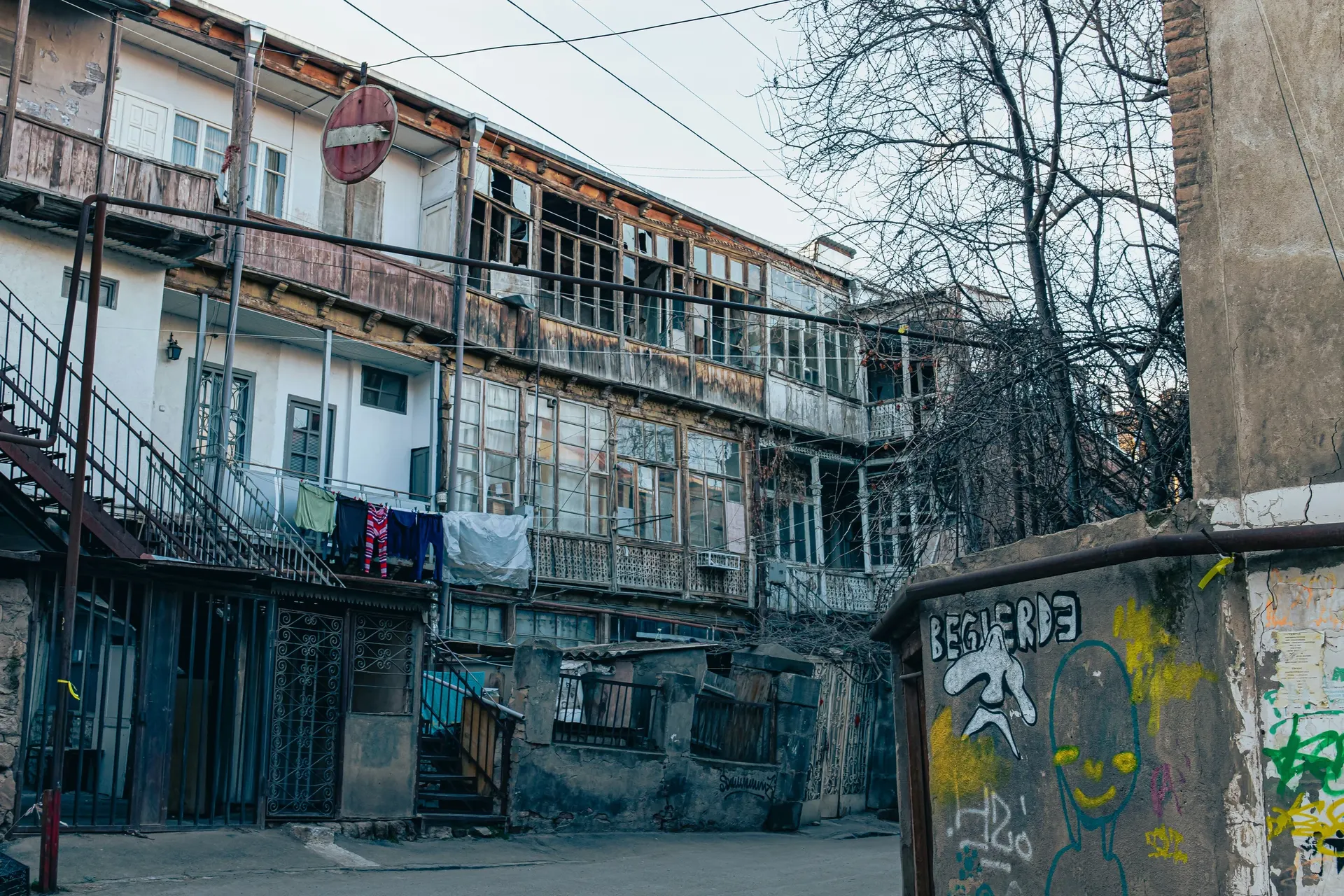
Finding an apartment in Tbilisi is nothing like renting in Western Europe. There are no standardized contracts, no regulated deposit schemes, and no tenant protection laws worth mentioning. The upside? Rents are remarkably low, landlords often negotiate, and you can find genuinely beautiful apartments for a fraction of what you'd pay in any EU capital.
The downside? If you don't know how things work here, you'll overpay, sign a bad contract, or end up in an apartment where the hot water dies every evening at 7 PM. This guide covers everything — from where to search, what to pay, how to negotiate, and what red flags to watch for.
We've rented in multiple neighborhoods across Tbilisi over several years. This is the guide we wish we'd had when we started.
Where to Search for Apartments
Forget Zillow and Rightmove — Tbilisi has its own platforms, and the best deals are often found through methods that feel almost analog by Western standards.
| Platform | Best For | Notes |
|---|---|---|
| SS.ge | Biggest selection | Georgia's main classifieds site. English interface available. Most listings are here. |
| MyHome.ge | Newer/renovated places | Tends toward higher-end listings. Good filters. Also has English. |
| Telegram Channels | Real-time deals | Channels like @propertyintbilisi post daily. Often free for renters — agents charge landlords. |
| Facebook Groups | Expat-vetted listings | "Tbilisi Apartments" and "Expats in Tbilisi" groups. Often pre-screened by other foreigners. |
| Real Estate Agents | Saving time | Agent fee is typically 50% of one month's rent. Worth it if you don't speak Georgian. |
| Walking Around | Hidden gems | Many landlords put signs on balconies ("ქირავდება" = for rent). Often the cheapest deals. |
The Georgian Word You Need
"ქირავდება" (kiravdeba) means "for rent." You'll see it on balcony signs, in shop windows, and scrawled on building entrances. Recognize it and you'll spot deals that never make it to SS.ge.
How to Actually Use SS.ge
SS.ge is where 80% of your apartment search will happen, so it's worth understanding how the platform actually works — because it's not intuitive.
First, switch to English (top right). Go to Real Estate → For Rent → Apartments. Set your city to Tbilisi. Now here's what matters:
Filter by "Owner" vs "Agent." On the left sidebar, under "Author type," you can filter for ბინის მფლობელი (apartment owner) or აგენტი (agent). Owner-direct listings skip the commission, but agents dominate the platform — roughly 70% of listings are agent-posted. Don't filter them out entirely or you'll miss good places.
Sort by "Newest." Default sorting is by "relevance," which is useless — it prioritizes paid promotions. Always sort by newest. Good apartments in central areas get rented within days, sometimes hours.
Set alerts. You can save your search filters and get email notifications when new listings match. Do this on day one.
Read the description carefully. Many listings are in Georgian only. Use Google Translate on your phone — point the camera at the screen. Key things to look for: "გაზის გამაცხელებელი" (gas water heater), "ცენტრალური გათბობა" (central heating), "ლიფტი" (elevator), "ავეჯით" (furnished).
Be skeptical of photos. Professional photos with wide-angle lenses make tiny rooms look enormous. Blurry phone photos from 2019 often represent better value — the landlord just doesn't care about marketing, which usually means they're not inflating the price either.
The Bait-and-Switch Problem
This is the biggest issue on SS.ge. Agents post gorgeous apartments at below-market prices as lead magnets to collect your phone number. When you call, the place is "just rented" but they have "other great options." If a listing was posted 30 minutes ago and is already "rented" when you call — you've been baited. Move on and contact the next one.
Real Estate Agents: The Honest Truth
Georgian real estate agents are unregulated. There's no licensing, no exam, no professional body, and no consequences for lying. Anyone with a phone and a WhatsApp account can call themselves an agent. Some are helpful; many are somewhere between useless and actively harmful.
Here's how the agent ecosystem actually works:
💰 Who Pays the Commission?
Traditionally, the landlord pays the agent's commission. But for foreigners, agents often try to charge both sides. The standard fee is 50% of one month's rent from each party (landlord + tenant = one full month total). Some agents try for a full month from the tenant alone. Negotiate this upfront.
📱 The WhatsApp Flood
Once an agent has your number, expect a barrage of photos and listings — most of which won't match your criteria. They're casting a wide net hoping something sticks. Be firm about your requirements. "No, I said Vera, not Gldani" is a sentence you'll type many times.
🔄 No Exclusive Listings
Georgia has no system of agent exclusivity. The same apartment might be listed by 3-4 different agents, each at a slightly different price. The one who sold it doesn't tell the others, so "sold" apartments stay listed for weeks. Always verify availability before visiting.
✅ When They're Worth It
If you don't speak Georgian, an agent saves you from language barriers during viewings. They can handle the contract (in Georgian) and negotiate on your behalf. Some Telegram channels like @propertyintbilisi are agent-run but free for renters — agents take commission from the landlord only.
The bottom line: use agents as a tool, not a crutch. Search SS.ge yourself in parallel. If an agent shows you something good, great. But don't rely solely on them — their incentive is to close quickly, not to find you the best deal.
Real Rental Prices in 2026
Online guides love quoting suspiciously low prices. Here's what you'll actually pay in 2026 for a furnished apartment in decent condition with reliable hot water and internet:
| Area | Studio/1-Bed | 2-Bed | 3-Bed |
|---|---|---|---|
| Old Town / Sololaki | $450–800 | $700–1,200 | $1,000–1,800 |
| Vera | $400–700 | $600–1,000 | $900–1,500 |
| Vake | $500–900 | $800–1,400 | $1,200–2,000 |
| Saburtalo | $350–600 | $500–900 | $700–1,200 |
| Marjanishvili / Chugureti | $400–650 | $600–1,000 | $800–1,400 |
| Didi Dighomi | $250–400 | $350–600 | $500–850 |
| Didube / Gldani | $250–400 | $350–600 | $500–800 |
| New Build (anywhere) | $500–900 | $800–1,500 | $1,200–2,200 |
Prices are monthly in USD — that's not because we're lazy with conversion. Most landlords in central Tbilisi quote rent in dollars, even though you'll pay in lari. This is a legacy of the 1990s hyperinflation when nobody trusted the local currency. The lari is perfectly stable now, but the habit stuck.
Seasonal Pricing: When to Hunt
Timing your apartment search can save you hundreds of dollars per month. Tbilisi has a pronounced seasonal rental market driven by tourism, digital nomads, and university students.
| Period | Market | Prices vs. Average | Strategy |
|---|---|---|---|
| Nov–Feb | Low season | 10–25% below | Best time to hunt. Landlords losing Airbnb income are desperate. Negotiate hard. |
| Mar–Apr | Shoulder | Average | Good balance of selection and price. New listings appear as winter tenants leave. |
| May–Sep | Peak season | 10–30% above | Worst time. Nomads and tourists flood in. Landlords switch good units to Airbnb. |
| Sep–Oct | University influx | 5–15% above | Students return. Budget apartments near universities get snapped up fast. |
Winter is your secret weapon. From November through February, demand for rentals drops significantly as the tourist and digital nomad crowd thins out. Landlords who were getting $700/month on Airbnb in summer are suddenly looking at empty apartments. This is when you'll find the best deals — and the most willing negotiators.
The Winter Heating Trap
Searching in winter has one catch: you'll see the apartment in its coldest, darkest state. Check the heating system carefully. A gas heater apartment that seems cozy during a 20-minute viewing might be unbearable when it's 2°C outside and the heater can't keep up. Ask what the heating bill was last winter — if the landlord can't answer, that's a red flag. For the deeper checklist on mold, condensation, and weak heating setups, read our full apartment survival guide.
Understanding "Renovation" Levels
Every listing on SS.ge mentions the renovation status, and understanding what these terms actually mean will save you from unpleasant surprises.
| Term | Georgian | What It Actually Means | Rent Premium |
|---|---|---|---|
| Euro Renovation | ევრორემონტი | Modern finishes — new bathroom, proper kitchen, laminate/hardwood floors, central heating. Quality varies wildly. Can mean IKEA-level or genuinely luxurious. | +30–50% |
| Old Renovation | ძველი რემონტი | Updated at some point (maybe 10-15 years ago) but not recently. Functional but dated. Think: working but ugly bathroom, adequate kitchen, possibly gas heater. | Baseline |
| Cosmetic | კოსმეტიკური | Fresh paint and maybe new flooring, but plumbing and electrical are original (Soviet-era). Lipstick on a pig, sometimes literally. | +10–15% |
| Without Renovation | რემონტის გარეშე | Completely untouched since construction. Soviet-era everything. Sometimes charming in a retro way, often dire. Rock-bottom prices but expect to invest in basic improvements. | -20–40% |
| New Build | ახალაშენებული | Built in the last 10 years. Modern systems but construction quality is a lottery. Some developers build well; others use the cheapest materials possible. Thin walls are the #1 complaint. | +20–40% |
Here's a reality check that most guides won't give you: "Euro renovation" is a marketing term, not a quality standard. A listing claiming евроремонтი might mean a genuine high-quality remodel with Italian tile and German fixtures — or it might mean someone slapped laminate over the old Soviet floor and installed a Lidl-grade shower. Always visit in person.
Old Buildings vs. New Builds
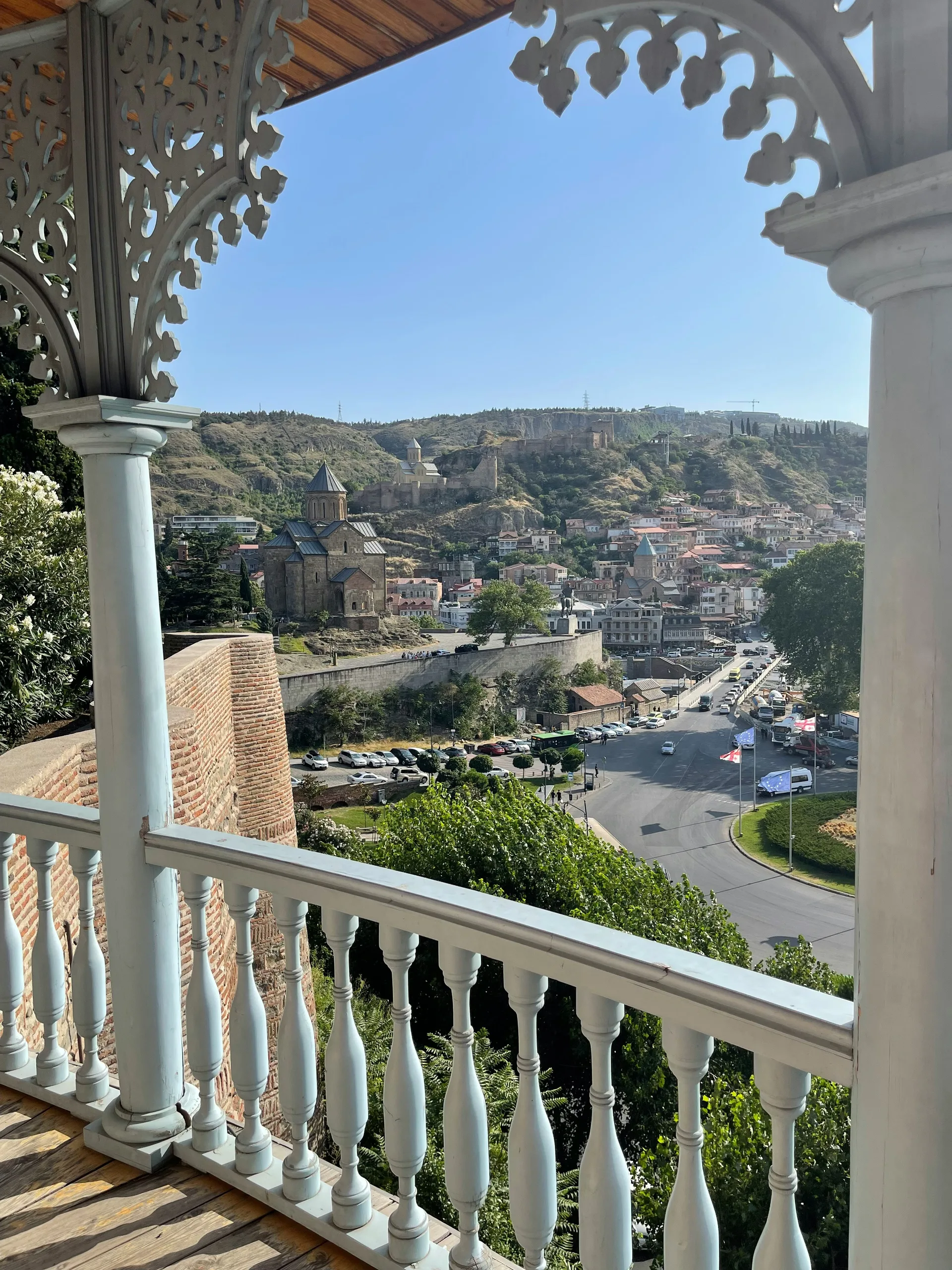
This is the first real decision you'll face, and it matters more than most expats realize. Tbilisi's housing stock is roughly split between Soviet-era buildings (1950s–1980s), pre-Soviet historic buildings (late 1800s–1920s), and new construction (2010s–now). Each comes with trade-offs.
🏛️ Old / Soviet Buildings
Pros: Character, high ceilings (3m+), central locations, thick walls (quiet), lower rent. Big balconies.
Cons: Unreliable plumbing, Soviet-era wiring, no elevator (or terrifying Soviet ones), gas heaters, sketchy stairwells, possible structural issues. (See our utilities guide for what to expect.)
🏢 New Construction
Pros: Modern plumbing and electric, central heating, elevators, parking, sometimes a gym or concierge. Reliable internet infrastructure.
Cons: Thin walls (noise), often located farther out, generic aesthetic, higher rent. Some new builds have questionable construction quality — pipes leaking within two years is not uncommon.
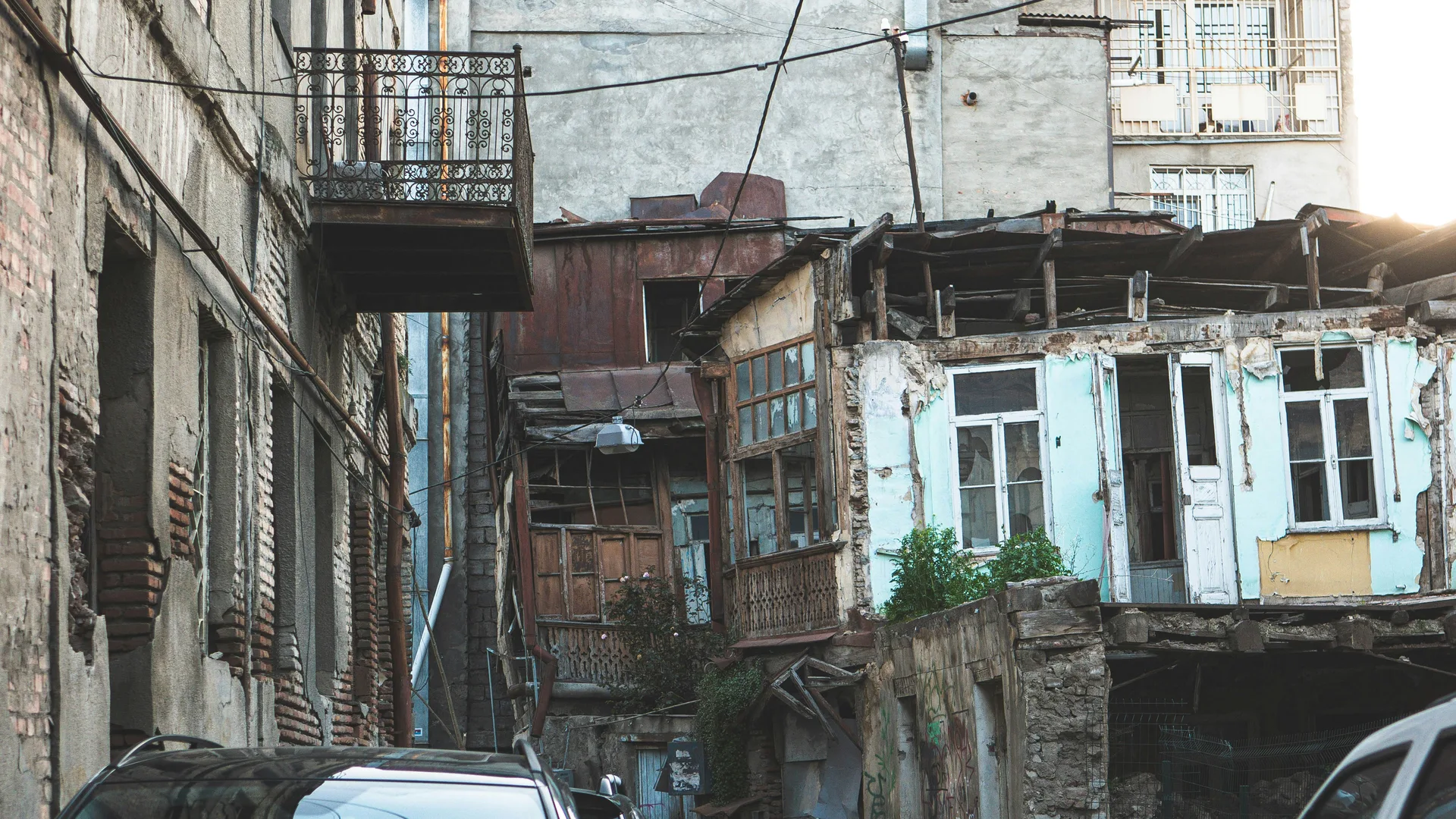
Many old Tbilisi buildings look charming from the outside and are genuinely falling apart inside. Crumbling stairwells with missing banisters, exposed wiring, elevators that haven't been inspected since the Shevardnadze era. The apartment itself might be beautifully renovated — but the building's common areas can be shocking.
Conversely, some new builds look sleek but are built with the cheapest materials imaginable. Walls so thin you'll hear your neighbor's Netflix. Do your due diligence on both.
Apartment Viewing Checklist
Georgians don't do property inspections the way the UK or Australia does. There's no independent survey. What you see is what you get, and what you don't check will come back to haunt you. Run through this checklist at every viewing:
🚿 Water Pressure
Turn on every tap. Flush the toilet. Run the shower. Check if hot water comes from a tank (gamackhelebeli) or central heating. Tank-heated water can run out mid-shower.
🔌 Electricity
Count the outlets. Check if they're grounded (3-prong). Try them all — dead outlets are common in old buildings. Look for exposed wiring.
🌡️ Heating
Gas heater, electric heater, or central? Gas is cheapest but needs ventilation. Ask about winter heating bills — they can triple your utility costs.
📶 Internet
Ask which provider is available. Not all buildings have fiber. Run a speed test on your phone (Magticom and Silknet are the main ISPs). Check if the router is included.
🔇 Noise
Visit at different times. Tbilisi has enthusiastic car culture — honking at 7 AM is normal. Check proximity to bars (Old Town) or mosques/churches (call to prayer/bells).
🏗️ Building Condition
Check the stairwell, elevator, roof, and entrance. Water stains on ceilings = leaky roof. Cracks in walls = structural concerns. Smell for mold, especially in bathrooms.
🪟 Windows & Insulation
Single-pane Soviet windows are freezing in winter and let in street noise year-round. Double-glazed PVC windows are a must for comfort — if the apartment doesn't have them, factor in high winter heating bills.
🧺 Washing Machine
Most furnished apartments include one, but check it runs. There are no laundromats in Tbilisi (seriously — almost none). If the apartment doesn't have a washer, that's a dealbreaker unless you want to hand-wash everything.
The Gas Heater Question
Many Tbilisi apartments use a "გამაცხელებელი" (gamackhelebeli) — a wall-mounted gas water heater. These are safe when maintained, but some are ancient and poorly ventilated. If the bathroom doesn't have a window or vent, and the heater is old, this is a carbon monoxide risk. Modern tankless gas heaters (Bosch, Ariston) are fine. Old Soviet-era ones with a pilot light? Be cautious.
How to Negotiate Rent
Almost every landlord in Tbilisi expects negotiation. Posting a price on SS.ge and getting exactly that amount is the exception, not the rule. Here's how the game works:
Start 15-20% below the asking price. If they're asking $600, offer $500. You'll probably settle around $520-550. This isn't rude — it's expected. A landlord who won't budge at all is rare (and probably overpriced).
Offer to pay several months upfront. This is your strongest negotiating tool. Georgian landlords often prefer reliability over maximum price. Offering to pay 3-6 months upfront can get you 10-15% off monthly rent. It also builds trust immediately.
Commit to a longer lease. A one-year commitment beats a month-to-month arrangement for most landlords. They don't want to deal with Airbnb turnover.
Point out issues. That cracked window, the noisy street, the unrenovated kitchen — mention them. Not aggressively, just matter-of-factly. "I like the place, but the kitchen needs work and the street is quite loud. Could we do $480 instead of $600?"
| Tactic | Typical Discount | When It Works Best |
|---|---|---|
| Basic negotiation | 5-15% | Almost always. Just ask. |
| Prepaying 3-6 months | 10-20% | Landlords with mortgages or who live abroad |
| Signing 12+ month lease | 5-10% | Landlords tired of short-term tenant turnover |
| Renting in winter | 10-25% | Demand drops Oct-Feb. Landlords get desperate. |
| Pointing out issues | 5-15% | Apartments with obvious flaws the landlord knows about |
| Offering lari (not USD) | 3-8% | Some landlords prefer lari for bills. Offer a fixed GEL amount slightly below the dollar equivalent. |
Rental Contracts: What You Need to Know
This is where things get serious. Georgian rental law is minimal — there's no tenant protection act, no rent control, no standardized lease. The contract is essentially whatever you and the landlord agree to. That freedom can work for you or against you.
Always Get a Written Contract
Many expats rent on a handshake, especially from friendly landlords. Don't. Without a written agreement, you have zero legal protection if the landlord decides to raise rent, keep your deposit, or evict you with two days' notice. A simple contract in Georgian and English takes 30 minutes to write and can save you thousands.
Your contract should cover these essentials:
| Clause | Why It Matters |
|---|---|
| Monthly rent amount + currency | Specify USD or GEL. If USD, agree on the exchange rate mechanism (market rate on payment day is standard). |
| Deposit amount + return conditions | Define what "damage" means. Normal wear and tear should not deduct from deposit. Specify return timeline (7-14 days after move-out). |
| Lease duration + notice period | 30 days' notice minimum, for both sides. Protect yourself from sudden eviction. |
| Rent increase clause | Add "rent remains fixed for the duration of the lease." Without this, some landlords try mid-lease increases — especially if the lari drops against the dollar. |
| Utilities responsibility | Usually tenant pays utilities on top of rent. Clarify if internet is included. |
| Repair responsibility | Landlord covers structural/plumbing issues. Tenant covers day-to-day maintenance. Write it down. |
| Inventory list | Photo or list every piece of furniture and appliance. Prevents deposit disputes. |
| Early termination clause | What happens if you need to leave early? A fair clause: lose your deposit but no additional penalty. |
| Landlord access | Specify 24-48 hours written notice before landlord can visit. Some landlords will just show up with a key otherwise — culturally normal here, but annoying. |
You don't need a lawyer for a standard rental contract, but having one review it costs about 100-200 GEL ($35-70) and is worth it for your first lease in Georgia. Ask your contract to be in both Georgian and English — Georgian is the legally binding version, but you need to understand what you're signing.
Deposits and Getting Your Money Back
The standard deposit in Tbilisi is one month's rent, paid upfront along with the first month. Some landlords ask for two months if you're renting a premium apartment or don't have a local guarantor.
Here's the uncomfortable truth: getting your deposit back in Georgia can be a challenge. There's no deposit protection scheme like in the UK. The money goes directly to the landlord's pocket, and getting it back depends entirely on their honesty and your contract.
✅ Protect Your Deposit
Photo everything on move-in day — every scratch, stain, and crack. Create a shared album with the landlord. Note existing damage in the contract. Pay deposit via bank transfer (paper trail). Never cash without a signed receipt.
🔄 Getting It Back
Schedule a walk-through before your last day. Bring your move-in photos. Leave the place clean. Most honest landlords return deposits within a week. If they're stalling, remind them the contract specifies a return timeline.
If a landlord refuses to return your deposit without valid reason, your options are limited. Small claims court exists but is slow and conducted entirely in Georgian. Your best leverage is the contract and your photos. Prevention — good contracts, photo documentation, bank transfers — is your real shield.
The Last-Month Trick
Many experienced expats simply use their deposit as the last month's rent. About a month before your lease ends, tell the landlord: "I'd like to apply my deposit to the final month's rent." Most will agree — it saves them from having to return cash, and it guarantees you won't lose your money. Not all landlords will accept this, but it's worth asking. Make sure your contract doesn't explicitly prohibit it.
Utilities and Monthly Costs
Rent is just the starting point. Here's what your actual monthly housing cost looks like:
Monthly Housing Budget (1-Bed, Central)
Gas is the wild card. In summer, your gas bill might be $8 for cooking. In winter, if you're heating with a gas boiler, it can hit $50-60. Apartments with central heating (most new builds) have a flat monthly fee that's usually more predictable but not necessarily cheaper.
Water in Tbilisi is remarkably cheap — often under $5/month for an apartment. Electricity runs about 25 tetri per kWh (roughly $0.09), which is a fraction of European rates. Internet is fast and cheap: 100 Mbps fiber from Magticom or Silknet costs about 40-65 GEL ($15-25) per month. See our utilities guide for the full breakdown and how to pay bills.
Paying Utilities
You'll pay utilities through the TBC or Bank of Georgia app, or at any "pay box" terminal scattered across the city. The landlord will give you the account numbers for gas, electric, and water. Many landlords handle the payments themselves and just add it to your rent — fine if you trust them, but insist on seeing the bills.
Red Flags to Watch For
After years of renting in Tbilisi and hearing horror stories from other expats, here are the warning signs that should make you walk away:
🚩 No Written Contract
"We don't need paper, we're friends!" No. Any landlord who refuses a contract is someone who wants the freedom to change terms whenever they feel like it.
🚩 Can't Prove Ownership
Ask the landlord to show property ownership from the public registry (nasvlis.rs.ge). Some people rent out apartments they don't own or that are in legal dispute.
🚩 Deposit Over 2 Months
One month is standard. Two is pushing it. Three? They're either desperate or planning to keep it. Walk away.
🚩 No Receipts for Payments
Always pay via bank transfer or get a written receipt. Cash payments with no documentation = no proof you paid.
🚩 Mold Smell
Tbilisi is humid. Many ground-floor and older apartments have mold issues, especially in bathrooms without windows. If you smell it, it's there — and it won't go away.
🚩 "Pay Before Viewing"
Online scams exist. Never send money before physically visiting an apartment. Legitimate landlords will always let you see the place first.
🚩 Utility Debt
Ask for current utility bills before signing. Some apartments carry debt from previous tenants — and gas or electricity companies don't care who created the debt. If the account has unpaid bills, you inherit the problem.
🚩 Rushed Agent Pressure
"Someone else is coming to see it in one hour!" Classic pressure tactic. In peak season it might be true, but more often it's an agent trying to close fast. Never sign under pressure. Good apartments do go fast, but bad decisions go faster.
Furnished vs. Unfurnished
Good news: most apartments in Tbilisi rent furnished. This is the norm, not the exception. You'll typically get a bed, sofa, dining table, wardrobe, washing machine, fridge, and stove. Quality varies from "Soviet chic" to "Instagram-ready."
Unfurnished apartments exist but are less common on the expat market. They're cheaper — sometimes 20-30% less — but furnishing from scratch costs at least $1,000-2,000 for basics (IKEA doesn't exist in Georgia; you'll use local furniture stores, Gorgia.ge for online orders, or the Dry Bridge market for vintage finds).
| Factor | Furnished | Unfurnished |
|---|---|---|
| Monthly rent | Higher (standard) | 20-30% lower |
| Move-in cost | Just deposit + first month | $1,000-2,000+ for furniture |
| Flexibility | Easy to leave | Tied to your furniture |
| Best for | 1-2 year stays | 3+ years, settling down |
Airbnb vs. Long-Term Rental
Many expats start on Airbnb while they apartment-hunt. Smart move — it gives you time to explore neighborhoods in person before committing. But don't stay on Airbnb longer than you need to.
A decent Airbnb in central Tbilisi runs $30-60/night, or $900-1,800/month. The same apartment on a 12-month lease would be $400-700/month. You're paying a 100-150% premium for flexibility and the comfort of online booking.
The sweet spot: book an Airbnb for 2-4 weeks. Use that time to walk neighborhoods, check SS.ge daily, meet agents, and find your long-term place. Don't rush — a bad apartment you're locked into for a year is worse than an extra week of Airbnb costs.
The Airbnb-to-Direct Pipeline
Found a great Airbnb? Ask the host if they'd rent it long-term at a lower rate. Many Airbnb hosts in Tbilisi prefer stable long-term tenants (less cleaning, less hassle, guaranteed income). You already know the apartment works — and they already know you're not going to trash it. Win-win.
Common Mistakes Expats Make
❌ Renting Sight-Unseen
Photos lie, especially wide-angle ones. That "spacious" studio is actually 25 square meters. SS.ge listings reuse old photos. Never sign a lease without physically walking through the apartment — and if you absolutely must rent remotely, insist on a live video tour and have a local friend verify.
❌ Defaulting to Vake
Every expat guide says "Vake is the best neighborhood." It's also the most expensive. Vera, Marjanishvili, and Chugureti offer similar walkability at 20-30% lower rent. Check our neighborhood guide before defaulting to the obvious choice.
❌ Ignoring the Metro
Tbilisi traffic is terrible. Living near a metro station saves 30+ minutes daily. An apartment that's $100/month cheaper but requires a Bolt taxi twice a day quickly costs more. Proximity to the metro should be a top-3 criterion.
❌ Apartment Hunting in Summer
Peak season means peak prices. If your timeline is flexible, arrive in October or November. You'll find 20-30% better deals and more willing landlords. Spring is second-best.
❌ No Written Lease
We can't stress this enough. "But the landlord seems so nice" is not a legal protection. Georgian landlords are generally honest, but the ones who aren't will exploit the lack of documentation. Get everything in writing. In Georgian. With a translation.
❌ Not Checking the Heating
If you move in during summer, the heating is the last thing on your mind. By December, it's the only thing. Ask specifically: what type of heating? When was the system last serviced? What was the gas bill in January? An apartment that's perfectly comfortable in July can be uninhabitable in February.
Your Legal Rights as a Tenant
Let's be direct: tenant protection in Georgia is minimal compared to Western Europe. There's no rent control, no mandatory notice period (unless your contract specifies one), and no government body that handles rental disputes.
What you do have:
- Civil Code Article 531-562 covers lease agreements. Contracts are enforceable in court.
- A landlord cannot enter without notice if your contract prohibits it (so make sure it does).
- Eviction requires a court order if you have a valid lease. A landlord can't just change the locks — though some try.
- Disputes go to civil court in Tbilisi City Court. Cases can take 3-12 months.
The practical reality: your contract IS your protection. Georgian courts will enforce a well-written lease. But taking a landlord to court over a $500 deposit isn't worth the time and legal fees. Prevention — good contracts, photos, bank transfers — is your real shield.
Quick Neighborhood Guide for Renters
We have a full neighborhood breakdown, but here's the renter's cheat sheet:
| Neighborhood | Vibe | Best For | 1-Bed Range |
|---|---|---|---|
| Vera | Quiet, walkable, central | Remote workers who want peace + proximity | $400–700 |
| Vake | Upscale, leafy, family-friendly | Families, professionals | $500–900 |
| Old Town / Sololaki | Charming, touristy, lively | Short-term stays, aesthetes | $450–800 |
| Marjanishvili | Artsy, diverse, central | Creatives, budget-conscious | $400–650 |
| Chugureti | Multicultural, vibrant food scene | Foodies, nightlife, social expats | $350–600 |
| Saburtalo | Residential, practical | Best value for modern apartments | $350–600 |
| Didi Dighomi | Suburban, new builds | Families wanting space + modern apartments | $250–400 |
Practical Tips from Experience
- Visit at least 5 apartments before deciding. The first one always seems amazing until you see the fifth one.
- Check the building, not just the unit. A renovated apartment in a crumbling building means future problems.
- Ask about the neighbors. Georgians are wonderfully social, which also means they might play music at midnight or have loud family gatherings on balconies. Cultural charm — unless you need to sleep.
- Get the landlord's ID number (personal number, პირადი ნომერი). This lets you verify ownership on nasvlis.rs.ge (National Agency of Public Registry).
- Join Facebook groups first. "Tbilisi Expats" and "Apartments for Rent in Tbilisi" have daily warnings about scam listings and bad landlords.
- Bring a Georgian friend to viewings if you can. Landlords sometimes quote foreigners higher prices. A local presence levels the field — and they can read the contract.
- Don't sign during summer peak. May through September is tourist season. Prices are highest and landlords are least willing to negotiate because Airbnb demand is strong.
- Test the hot water during your visit. Run the shower for 5 minutes. In some buildings, hot water pressure drops when multiple apartments use it simultaneously (usually evenings).
- Check the floor. Many old Tbilisi apartments have severely uneven floors — the building has settled over decades. Put a ball on the floor. If it rolls, the floor is sloped. Mild slope is cosmetic; severe slope suggests structural issues.
- Ask about construction. Tbilisi is in a permanent state of construction. Check if there's a building site next door or nearby — you might be waking up to jackhammers at 8 AM for the next two years.
The Step-by-Step Process
Here's the actual timeline of renting an apartment in Tbilisi, from zero to move-in:
Week 1: Research & Arrive
Book an Airbnb for 2-4 weeks. Start browsing SS.ge and MyHome.ge from day one. Join Facebook groups. Set up saved searches with email alerts. Walk your target neighborhoods to get a feel for the streets.
Week 2: View & Compare
Schedule 2-3 viewings per day. Use our viewing checklist above. Take photos and notes. Don't commit to anything yet — unless you find something exceptional and it might go fast. Compare at least 5-6 places before making any decision.
Week 2-3: Negotiate & Sign
Found your place? Negotiate rent (see tactics above). Request a written contract in Georgian and English. Review every clause. Verify ownership. Agree on deposit terms and payment method. Do a final walkthrough and photo documentation.
Move-In Day
Photo every room, every appliance, every mark on the walls. Get utility account numbers. Test everything one more time (water, gas, electric, internet). Get spare keys. Exchange contact info with landlord. Set up utility payments in your bank app.
Frequently Asked Questions
Do I need a Georgian bank account to rent?
No, but it helps. Many landlords accept cash (USD or GEL). But bank transfers create a paper trail — important for deposit disputes. Opening a bank account in Georgia is easy and takes about an hour with your passport.
Can I rent without a visa or residency permit?
Yes. There's no legal requirement to have residency to sign a lease. Your passport is enough. Most landlords don't care about your immigration status as long as you pay on time. See our visa guide for more on legal stay options.
Is it safe to send deposit before arriving?
Risky. If you must secure a place remotely, use a reputable agent, do a video call walkthrough, and never send money to a personal account without a signed contract. Better to book an Airbnb and search in person.
What if my landlord wants to raise the rent?
If your contract specifies a fixed rent for the lease period, they can't raise it until renewal. Without a contract, they can raise it whenever they want. This is why contracts matter.
Are pets allowed?
Depends on the landlord. No law prohibits it, but many landlords don't want pets (especially cats — litter box concerns). Always negotiate this upfront and put it in the contract. Some landlords charge a higher deposit for pet owners. See our pets guide for more details.
Should I pay rent in USD or GEL?
Most central Tbilisi landlords quote in USD. If the lari weakens, USD rent stays fixed in dollar terms but costs you more in lari. Some landlords accept a fixed GEL amount — this protects you from currency fluctuation. There's no universally "right" answer — negotiate based on your income currency and risk tolerance.
What happens if something breaks?
If your contract specifies it (and it should), the landlord covers structural and major plumbing/electrical issues. You cover minor maintenance and things you broke. Without a contract clause, expect the landlord to blame you for everything. Always document the condition at move-in.
Written by The Georgia Expats Team
We've rented across Tbilisi — from crumbling Old Town charm to sterile new builds in Saburtalo. Every tip here comes from real lease negotiations, deposit disputes, and evenings spent cursing a Soviet-era gas heater.
Last updated: February 2026.
Related Articles
Best Neighborhoods in Tbilisi for Expats
Honest neighborhood guide with real rent prices and vibes.
Cost of Living in Tbilisi
Full budget breakdown for expats in 2026.
Utilities in Georgia
Gas, electric, water, internet — how to set up and pay.
Banking in Georgia
Open an account, pay bills, and manage your money.