Georgia — the country, not the US state — has quietly become one of the best retirement destinations in the world. Not the flashiest, not the most marketed, but arguably one of the most practical. Low cost of living, no tax on foreign pensions, a year-long visa-free stay for 98 nationalities, affordable private healthcare, and a culture that genuinely respects older people. That's a combination few countries can match.
This guide covers everything you need to make an informed decision — from the financial reality to the day-to-day experience. No sales pitch. Just what it's actually like to retire here, based on years of living in Tbilisi.
Why Retirees Are Choosing Georgia
Georgia doesn't appear on most "best places to retire" lists — yet. It's not Portugal or Thailand or Mexico. But the retirees who do find their way here tend to stay. The reasons are practical, not romantic:
💰 Your Pension Goes Further
A couple can live well on $1,200–1,800/month including rent. That same pension buys half as much in Lisbon or Bangkok these days.
📋 Zero Bureaucracy to Enter
Citizens of 98 countries can stay a full year with no visa, no registration, no explanation needed. Just arrive and live.
🏥 Affordable Private Healthcare
A specialist visit costs $15–30. Private health insurance runs $30–60/month. Dental work is 70–80% cheaper than Western prices.
👴 Respect for Elders
Georgian culture deeply respects older people. You'll be offered seats, treated with deference, and included in family gatherings by neighbors you just met.
🍷 Quality of Life
Excellent food, cheap wine, walkable city, genuine community, four seasons, and the Caucasus mountains an hour away.
🌍 Strategic Location
Direct flights to most of Europe, the Middle East, and Central Asia. Istanbul is 2.5 hours away. Good base for travel.
The Honest Downsides
This guide would be useless if it only listed positives. Georgia has real limitations that matter more for retirees than for twenty-something digital nomads:
| Challenge | Reality | Workaround |
|---|---|---|
| Language barrier | Georgian is extremely hard. English is limited outside central Tbilisi. | Google Translate, learn 50 key phrases, younger Georgians speak English |
| Driving culture | Aggressive, unpredictable, especially outside Tbilisi | Use Bolt (ride-hailing), walk in central areas, avoid driving yourself |
| Air quality | Tbilisi has pollution issues, especially in winter from car exhaust and heating | Live in Vake/Saburtalo (higher, cleaner air), get an air purifier |
| Healthcare limits | Good for routine care, but complex surgeries may require flying to Turkey or Europe | Budget for annual medical trips if you have serious conditions |
| Sidewalk accessibility | Uneven sidewalks, few ramps, hills everywhere. Not mobility-friendly. | Choose a flat neighborhood (Saburtalo, parts of Vake), avoid Old Town for daily life |
| Isolation risk | Smaller expat community than Portugal/Thailand. Fewer retirees specifically. | Join expat groups, attend church communities, take Georgian lessons for social contact |
The Litmus Test
Georgia is ideal if you're healthy enough to walk on uneven surfaces, comfortable with some chaos, curious about other cultures, and your pension covers $1,200+/month. If you need wheelchair access, familiar Western chains, or world-class hospitals nearby, this isn't the right fit — and that's okay.
Visa & Residency Options for Retirees
Georgia doesn't have a dedicated "retirement visa." It doesn't need one — the standard immigration options are already more generous than most retirement visa programs elsewhere.
| Option | Duration | Requirements | Best For |
|---|---|---|---|
| Visa-free entry | 365 days | Passport from 98 eligible countries | Testing the waters, snowbirding |
| Border run renewal | Another 365 days | Leave Georgia briefly, re-enter | Year 2+ without formal residency |
| Temporary residence | 1 year (renewable) | Proof of income (~1,800 GEL/month) or property ownership | Long-term stability, banking access |
| Property-based residence | 1 year (renewable) | Own property worth $100,000+ USD | Retirees who buy an apartment |
| Permanent residence | Indefinite | 6 years of continuous temporary residence, or property $300,000+ | Settling permanently |
The Border Run Reality
Many expats — retirees included — simply do a "border run" every 12 months. A bus to the Turkish or Armenian border, step across, step back, and your 365 days reset. It costs under $30 and takes half a day. The government is fully aware and has never cracked down. That said, if you're planning to stay long-term, a residence permit gives you more stability and better banking access.
The most practical path for most retirees: arrive visa-free, spend your first year testing the waters. If you love it, move into a real residence-permit strategy instead of assuming border runs are a respectable forever-plan. There's no rush in month one. There is a cost to drifting for years.
If Georgia is becoming home, think beyond the yearly reset
Retirees who are genuinely settling should read the dedicated permanent residence guide. The short version: visa-free time is flexible, but long-term status is built through residence permits and a clean multi-year paper trail.
For the broad immigration map, start with our Visa & Residency guide.
Cost of Living on a Pension
This is where Georgia really shines for retirees. Your money goes genuinely far — not in a "well, if you eat street food and live in a shoebox" way, but in an "actual comfortable life with a nice apartment and restaurants twice a week" way.

Comfortable Couple — Monthly Budget
Solo Retiree — Monthly Budget
Compared to Popular Retirement Destinations
The same lifestyle costs $2,500–3,500/month in Lisbon, $2,000–3,000 in Chiang Mai (which has gotten expensive), $1,800–2,500 in Mexico City, and $2,200–3,500 in most of coastal Spain. Georgia delivers genuine Western European comfort at Southeast Asian prices — without the heat, humidity, or visa headaches.
For the full breakdown with 2026 prices, see our Cost of Living guide.
Taxes on Pensions & Foreign Income
This is Georgia's single biggest financial advantage for retirees. Here's the short version:
| Income Type | Tax in Georgia | Notes |
|---|---|---|
| Foreign pension | 0% | Not taxed as foreign-source income |
| Social Security (US/EU) | 0% | Foreign-source, not taxable in Georgia |
| Investment income (dividends, interest) | 0% (foreign-source) | Only if earned outside Georgia |
| Capital gains (foreign) | 0% | Selling foreign stocks/property: no Georgian tax |
| Rental income (Georgian property) | 5% | If you buy and rent out property here |
| Georgian employment income | 20% | Unlikely for retirees, but FYI |
Check Your Home Country's Rules
Georgia won't tax your foreign pension, but your home country still might. The US taxes citizens worldwide regardless of residence. The UK, Canada, and most EU countries have specific rules about pension taxation when you move abroad. Georgia has double taxation treaties with many countries, but the details matter. Get advice from a tax professional who knows both jurisdictions before making the move. This is the one area where professional help pays for itself.
Thinking of Starting a Side Business?
If you're a retiree living purely on pension and investment income, Georgia's tax treatment is excellent and you don't need any special permits. But if you decide to start any business activity — freelance consulting, an Airbnb operation run as an IE, or any self-employment — you'll need a labour permit (Right to Work) as of March 2026. Passive rental income from property you own doesn't require one, but actively running a registered business does. See our labour permit guide for details.
For the full picture including the 1% individual entrepreneur regime, see our Taxes in Georgia guide.
Healthcare for Retirees
Healthcare is probably the biggest concern for retirees considering any international move. Here's the honest picture in Georgia:
✅ What's Good
Affordable private clinics, short wait times, modern equipment in major hospitals, excellent dentistry, cheap medications (many OTC that require prescriptions elsewhere).
❌ What's Lacking
Complex surgeries, rare specialist care, rehabilitation facilities, mental health services, bedside manner (very direct). For serious conditions, Turkey (Istanbul) is 2.5 hours away.
| Service | Typical Cost | Notes |
|---|---|---|
| GP visit (private) | $15–$25 | No referral needed |
| Specialist visit | $20–$40 | Cardiologist, endocrinologist, etc. |
| Blood work panel | $15–$40 | Full panel at private lab |
| MRI scan | $80–$150 | Same-week appointment common |
| Dental cleaning | $20–$35 | Quality varies widely — ask expat groups |
| Dental crown | $80–$200 | vs. $800–1,500 in the US |
| Monthly health insurance | $30–$60 | Private policy, age-dependent |
| Prescription medications | 50–80% cheaper | Many drugs OTC; pharmacists are helpful |
The Pharmacy Culture
Georgian pharmacies are practically walk-in clinics. Pharmacists will recommend medications, give injections, check blood pressure, and sell most drugs without a prescription. This is both a pro (convenience, cost savings) and a con (self-medicating without oversight). For retirees managing chronic conditions, find a good doctor and stick with them — but know that picking up your blood pressure medication doesn't require a doctor's visit every time.
The pragmatic approach for retirees: get Georgian private health insurance for routine care, keep international travel insurance or a home-country policy for emergencies that might require evacuation, and budget for one trip per year to Turkey or your home country for any specialist care Georgia can't handle. Full details in our Healthcare guide.
Where to Live: Best Neighborhoods for Retirees
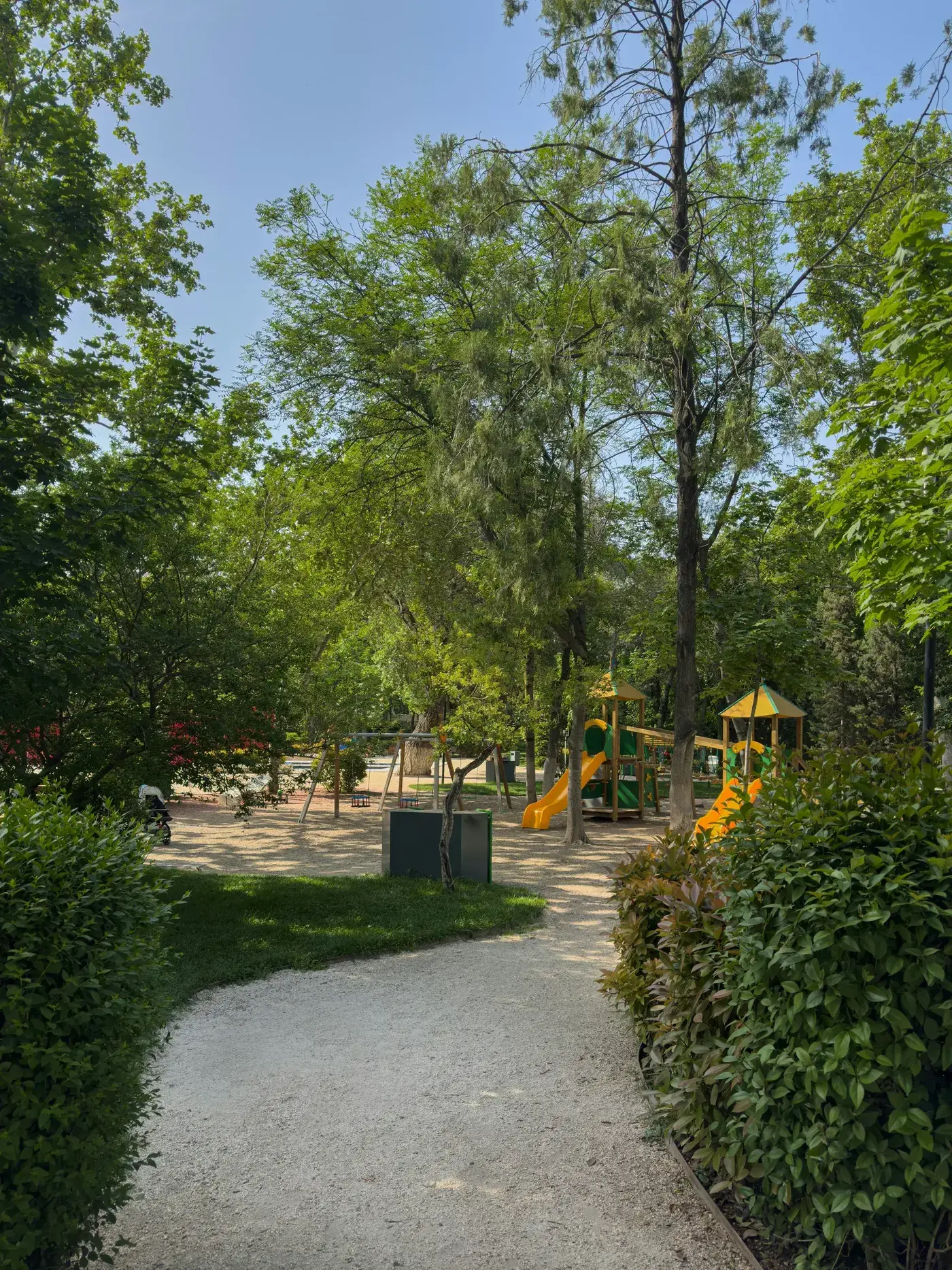
Not all of Tbilisi is created equal, and what matters to retirees — flat terrain, quiet streets, good medical access, walkable errands — is different from what matters to a 25-year-old looking for nightlife.
| Neighborhood | Rent (2-bed) | Pros | Cons |
|---|---|---|---|
| Vake | $550–$800 | Flat streets, parks, cafés, hospitals nearby, quiet residential feel | Most expensive area, parking chaos |
| Saburtalo | $400–$600 | Metro access, flat terrain, supermarkets everywhere, affordable | Less "charming," more Soviet architecture |
| Vera | $450–$650 | Quiet, tree-lined, central, walkable to downtown | Hilly streets, fewer shops, older building stock |
| Digomi / Didi Digomi | $350–$500 | New construction, elevators, modern infrastructure, quiet | Outside center, car-dependent, still developing |
| Batumi (alternative) | $300–$500 | Seaside, flat, modern buildings, cheaper than Tbilisi | Smaller, less medical infrastructure, rainy winters, seasonal |
🏆 Best Overall: Vake
Flat main streets, Vake Park for walks, MediClub and Todua hospitals within 10 minutes, abundant cafés and restaurants, reliable Bolt service. The most "comfortable Western suburb" feeling in Tbilisi. Worth the premium.
💰 Best Value: Saburtalo
Metro station, Carrefour and Goodwill supermarkets, flat terrain, Delisi market for fresh produce, hospitals accessible. Less charming but practical and affordable. Many long-term expats live here.
Full neighborhood breakdowns with maps in our Neighborhoods guide.
Buying vs. Renting Property
This question comes up constantly with retirees. The answer depends on your timeline and risk tolerance.
| Factor | Renting | Buying |
|---|---|---|
| Flexibility | Can leave anytime | Tied to the property |
| Residency benefit | None | $100K+ = residence permit |
| Quality control | Easy to switch if unhappy | Renovation can fix issues, but it's your problem |
| Monthly cost | $400–800/month ongoing | $40K–100K upfront, then just utilities |
| Investment value | None | Moderate appreciation, Airbnb income possible |
The Smart Approach
Rent for your first year. No exceptions. Even if you're 100% sure you want to buy. You need to understand the neighborhoods, the building quality, the heating situation, the noise, and your own tolerance for Georgia's quirks before committing $50K–100K. Apartments that look great in summer might be freezing and moldy in January. Rent, learn, then buy.
Full property buying process in our Buying Property guide.
Banking & Managing Money
You'll need a Georgian bank account for daily life — rent, utilities, groceries. Here's what retirees need to know:
| Topic | Details |
|---|---|
| Opening an account | Bank of Georgia or TBC Bank. Passport only. Takes 30 minutes. Both have English-speaking staff and good mobile apps. |
| Receiving pension transfers | SWIFT transfers work but cost $15–30 per transfer. Wise (TransferWise) is cheaper and faster — most expats use it. |
| Currency | Georgian Lari (GEL). ~2.7–2.9 GEL per USD in 2026. You can hold USD and EUR accounts too. |
| Card payments | Accepted almost everywhere in Tbilisi. Tap-to-pay works. Small shops and markets are cash-only. |
| ATM withdrawal | ATMs everywhere. Local bank ATMs are free with their card. Foreign card fees vary — use Wise card for best rates. |
Full guide including which bank to choose and fee comparisons in our Banking guide.
Daily Life as a Retiree
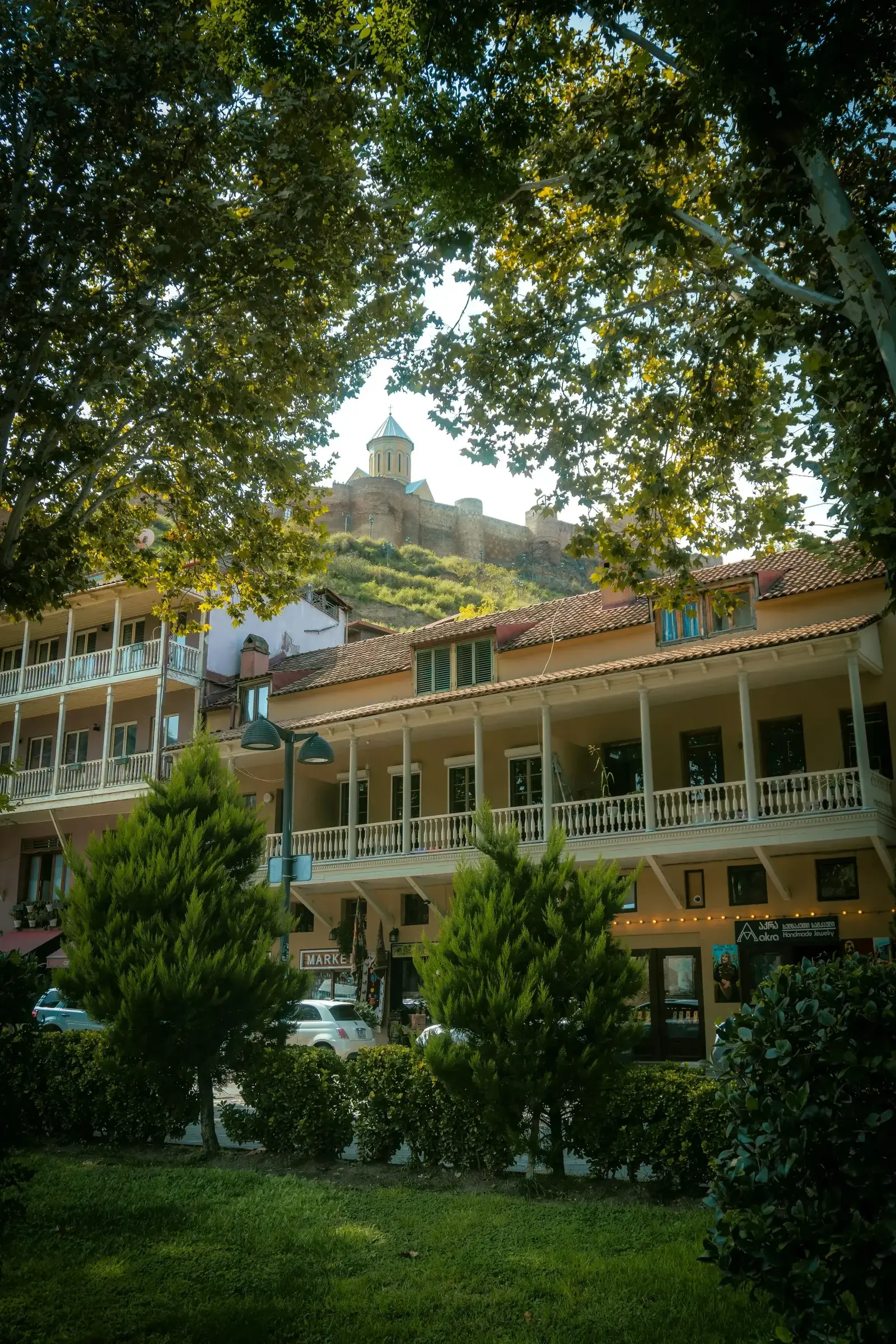
The day-to-day experience of retirement in Georgia is what actually matters. Here's what a typical week looks like:
☕ Morning Routine
Walk to a local café (a good latte costs $1.50–2.50), pick up fresh bread from the tonis puri bakery downstairs, grab fruit from the neighborhood market. Tbilisi is walkable if you're in the right area.
🏬 Errands
Supermarkets (Nikora, Goodwill, Carrefour) within walking distance in most neighborhoods. Utility bills auto-pay from your bank app. Prescriptions from the pharmacy, no appointment needed.
🍷 Social Life
Wine bars with excellent Georgian wine ($2–5/glass), expat meetups through Facebook groups, church communities (if religious), Georgian language classes as a social activity, neighbors who insist on feeding you.
🏔️ Weekend Trips
Day trips to wine country (Kakheti, 1.5hr), mountain monasteries, thermal bath towns (Borjomi). Or just walk through the Old Town, hit the sulfur baths, and have a long lunch. There's always something to explore.
Building a Social Network
Loneliness is the silent killer of retirement abroad. Georgia is warmer than most countries in this regard — Georgians are genuinely hospitable, not just polite — but you still need to be proactive.
| Community | Where to Find | Best For |
|---|---|---|
| Expat groups | Facebook: "Expats in Tbilisi," "Tbilisi International Community" | General socializing, advice, meetups |
| Language exchange | Free at cafés, organized via Facebook/Meetup | Meeting Georgians, structured interaction |
| Religious communities | Catholic, Protestant, Anglican churches; synagogue; mosque | Regular weekly community, deep relationships |
| Hobbies | Hiking clubs, wine tasting groups, art/pottery classes, chess clubs | Shared interests, organic friendships |
| Neighbors | Just say hello. Bring food. Accept all invitations. | The most Georgian thing you can do. Neighbors become family here. |
More on building connections in our Social Life guide.
Seasons & Climate
Georgia has four distinct seasons, which is an underrated benefit for retirees used to temperate climates. But they matter for planning:
| Season | Temperature (Tbilisi) | What to Know |
|---|---|---|
| Spring (Mar–May) | 10–25°C / 50–77°F | Beautiful. Gardens bloom, perfect walking weather. Best time for exploring. |
| Summer (Jun–Aug) | 25–38°C / 77–100°F | Hot. July–August can be brutal. AC essential. Escape to mountains or Batumi seaside. |
| Autumn (Sep–Nov) | 10–25°C / 50–77°F | Wine harvest (Rtveli). Gorgeous colors. Second-best season. October is perfect. |
| Winter (Dec–Feb) | -2–8°C / 28–46°F | Cold but not extreme. Heating costs rise significantly. Snow is rare in Tbilisi. |
The Heating Question
Heating is the #1 quality-of-life issue in Georgian apartments. Central heating barely exists — most apartments use individual gas heaters, space heaters, or split-unit AC with heat mode. Before signing any lease or buying any apartment, check the heating setup in detail. A "great deal" apartment with terrible heating is a miserable winter. Budget an extra $100–200/month for heating November through March. See our Utilities guide for details.
Getting Around Without a Car
Good news: you absolutely don't need a car in Tbilisi. In fact, not driving here is a lifestyle improvement.
| Transport | Cost | Best For |
|---|---|---|
| Bolt (ride-hailing) | $1.50–$4 per ride | Door-to-door, 3-minute pickup, air-conditioned. Most expats' primary transport. |
| Metro | $0.20 per ride | Fast, reliable, covers main areas. Steps at some stations (limited accessibility). |
| Bus | $0.20 per ride | Extensive network. Google Maps shows routes. Can be crowded. |
| Walking | Free | Tbilisi is walkable in the right neighborhoods. Sidewalks are uneven — good shoes matter. |
For getting around the country, see our Getting Around guide.
The Language Barrier
Let's be realistic: Georgian is one of the hardest languages in the world. Its own alphabet, complex verb system, consonant clusters that tie your tongue in knots. You're not going to become fluent in retirement — and that's fine.
What matters is this: in central Tbilisi, you can navigate daily life in English. Younger Georgians (under 35) generally speak some English. Bank staff, doctors at private clinics, restaurant waiters in popular areas — English works. Outside Tbilisi, it drops off fast.
📱 Tech Solutions
Google Translate with camera mode reads Georgian text instantly. Google Lens translates menus and signs. Bolt app is in English. Bank apps are bilingual. Technology handles 80% of the language barrier.
🗣️ Learn the Basics
Learn "gamarjoba" (hello), "madloba" (thank you), "ra ghirs?" (how much?), and "ar minda" (I don't want). Even 20 words earns enormous goodwill. Georgians genuinely appreciate any effort.
Full language learning strategies in our Learning Georgian guide.
Safety & Security
Georgia is genuinely safe. Not "safe for a developing country" — just safe, period. Tbilisi has lower crime rates than most major European cities. Violent crime against foreigners is essentially unheard of. Petty theft exists but at low levels.
For retirees specifically:
- Walking at night — safe in central neighborhoods. Tbilisi has a Mediterranean-style evening culture where people are out until late.
- Scams — rare. The most common is taxi overcharging (use Bolt, problem solved) and occasional landlord disputes.
- Political stability — occasional protests, usually peaceful, always localized to Rustaveli Avenue. Don't engage, and they don't affect daily life.
- Natural disasters — occasional flooding in low-lying Old Town, minor earthquakes (usually imperceptible). Not significant risks.
Detailed safety analysis in our Safety guide.
The Retirement Move Checklist
If you're seriously considering the move, here's the order of operations:
| Timeline | Action | Details |
|---|---|---|
| Before you go | Get a Wise account | Best way to transfer pension/savings to Georgia. Set it up while still in your home country. |
| Before you go | Consult a tax advisor | Understand pension taxation in both countries. This is non-negotiable. |
| Before you go | Stock up on medications | Bring 3-month supply of any prescriptions. Most drugs are available in Georgia, but bring enough to bridge the gap. |
| Week 1 | Get a SIM card | Magti or Beeline at the airport. 10 GEL gets you started. Needed for Bolt, bank verification, everything. |
| Week 1 | Open a bank account | Bank of Georgia or TBC. Passport only. Get the debit card and mobile app set up. |
| Month 1 | Find a rental | Use SS.ge (Georgian Craigslist) or Facebook expat groups. Book a short-term place first while you search. |
| Month 1 | Get health insurance | GPI, ARDI, or IMEDI. Walk into any branch. $30–60/month for comprehensive private coverage. |
| Month 2–3 | Find your doctor | Ask expat groups for English-speaking GP and dentist recommendations. Book a checkup to establish care. |
| Month 6–12 | Decide on residency | If staying: apply for temporary residence permit or buy property. Or just do a border run and restart the clock. |
Common Mistakes Retirees Make
❌ Buying Before Renting
The most expensive mistake. Every experienced expat says the same thing: rent first, buy after at least one full year including winter. Properties look different in February.
❌ Ignoring Heating
Arriving in spring or summer and signing a lease without checking the heating setup. November hits and you're freezing in a beautiful apartment. Always, always check heating.
❌ Not Getting Health Insurance
Healthcare is cheap, but an emergency hospitalization still costs thousands. Insurance is $30–60/month. There's no excuse not to have it.
❌ Living in Old Town
It's beautiful but terrible for daily retirement life — steep hills, tourist crowds, old buildings with poor insulation, limited parking, few supermarkets. Visit Old Town; live in Vake or Saburtalo.
❌ Not Learning Any Georgian
You don't need fluency, but zero effort is isolating. Even 20 words changes how people treat you. Take a beginner class — it's also a great way to meet people.
❌ Underestimating Loneliness
Retiring abroad without a social plan is risky. Georgia's expat community is smaller than Portugal's or Thailand's. Be proactive about making friends from day one, not month six.
Georgia vs. Other Retirement Destinations
| Factor | Georgia | Portugal | Thailand | Mexico |
|---|---|---|---|---|
| Monthly budget (couple) | $1,200–1,800 | $2,500–3,500 | $2,000–3,000 | $1,800–2,500 |
| Visa complexity | None (365 days free) | D7 visa process | Retirement visa + renewals | Temporary resident visa |
| Tax on foreign pension | 0% | 10% (NHR ended) | 0% (if not remitted) | Varies |
| Healthcare quality | Good for routine | Excellent | Very good (Bangkok) | Good (varies by city) |
| Expat community size | Small but growing | Very large | Very large | Large |
| Safety | Very high | Very high | Moderate | Varies by region |
| Climate | 4 seasons, real winter | Mild year-round | Tropical (hot, humid) | Varies widely |
Frequently Asked Questions
Can I receive my Social Security or pension in Georgia?
Yes. The US Social Security Administration pays to most countries including Georgia. EU pensions also transfer without issues. Use Wise or SWIFT transfer to your Georgian bank account. Just make sure your pension provider has your updated contact information.
Is Georgia safe for elderly people living alone?
Yes, exceptionally so. Georgia has low crime rates and a cultural reverence for elderly people that goes beyond politeness. You'll be looked after by neighbors, shopkeepers, and random strangers. That said, sidewalk conditions can be hazardous — good footwear is essential, and some areas are hilly.
Can I bring my pet to Georgia?
Yes. Georgia requires a veterinary health certificate, rabies vaccination (at least 30 days before travel), and a microchip. No quarantine. Most airlines allow pets in-cabin for small dogs/cats. See our Pets guide for the full process.
What about internet and staying connected with family?
Excellent internet. Home WiFi costs $10–15/month for 100+ Mbps. Video calls to family work perfectly. Tbilisi has fast 4G/5G mobile coverage. Most cafés have free WiFi. See our Internet & Phone guide.
Should I learn Russian or Georgian?
Georgian, ideally — even just the basics. Russian is widely spoken by older Georgians (40+) and is useful as a bridge language, but it's politically sensitive to assume everyone speaks it. Many younger Georgians prefer English to Russian. If you already speak Russian, it's a practical advantage. If learning from scratch, learn Georgian basics + lean on English.
Written by The Georgia Expats Team
Based in Tbilisi for over five years. We've navigated the visa system, opened bank accounts, found doctors, survived January heating, and helped dozens of newcomers — including retirees — settle into Georgian life.
Last updated: February 2026.
Related Articles
Cost of Living in Tbilisi
Real 2026 prices — rent, groceries, transport, and sample monthly budgets.
Healthcare in Georgia
Hospitals, insurance, pharmacies, and the 2026 mandatory insurance rule.
Visa & Residency Guide
Visa-free entry, residence permits, work permits, and the full process.
Buying Property in Georgia
Legal rights, real prices, the buying process, and common mistakes.