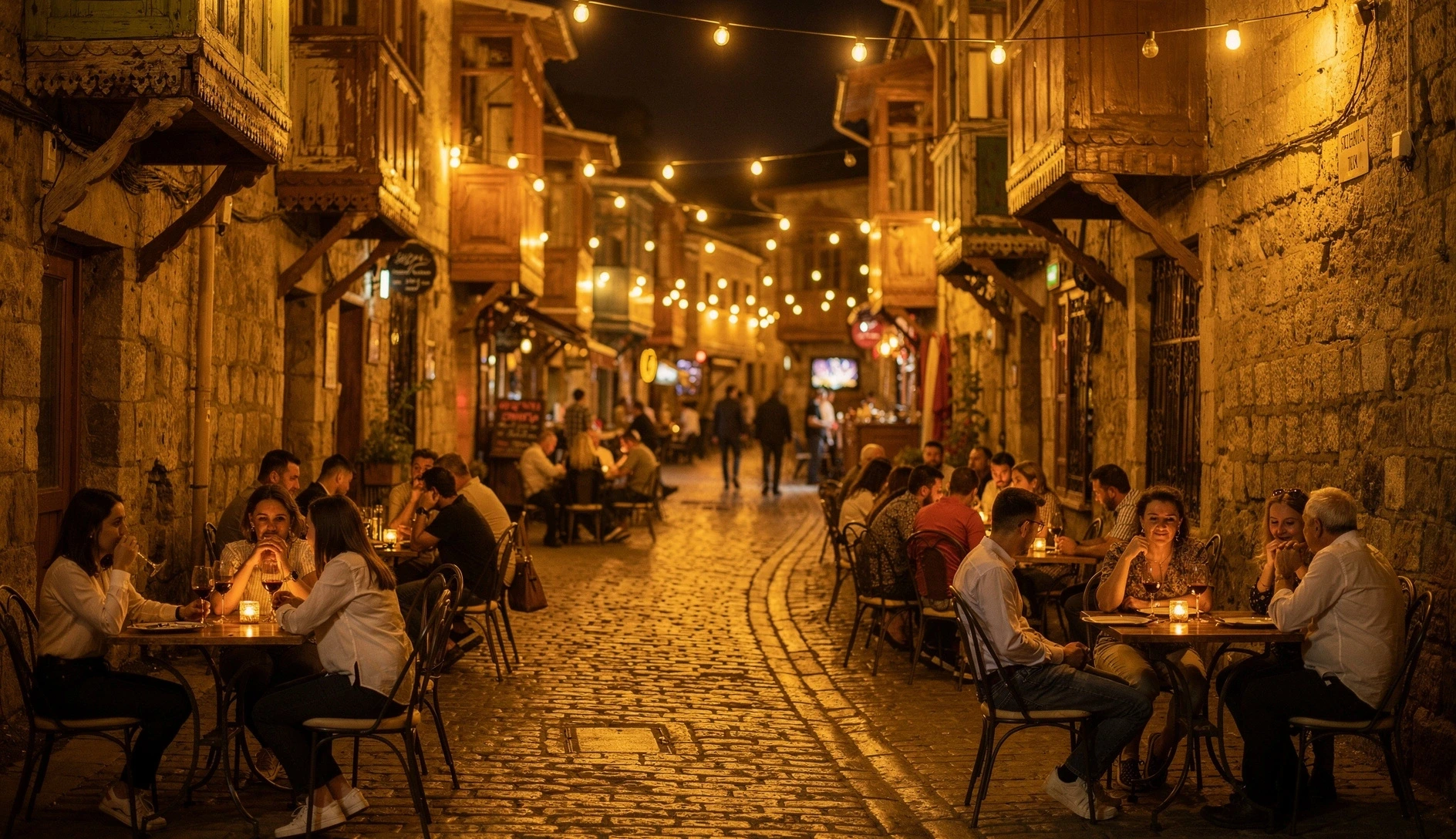
Tbilisi's nightlife is genuinely world-class — and I don't say that as a marketing line. The city has a techno club (Bassiani) that Resident Advisor ranks alongside Berghain. It has a natural wine scene that rivals anything in Paris or Barcelona. It has dive bars where a beer costs less than a London bus ticket. And it has something most party cities lost years ago: authenticity.
This guide is written for people who actually live here, not tourists doing a "Tbilisi nightlife" Google search at their hotel. Where to go, what to avoid, how much it costs, and the unwritten social rules that nobody explains to newcomers.
How Nightlife Works in Tbilisi
Before diving into specific venues, you need to understand how going out works here — because it's different from most Western cities.
Georgians eat dinner late. Like, 9 or 10 PM late. The concept of "pre-drinks" barely exists because people are still eating khinkali at the time Brits would be three pints deep. Bars start filling around 10–11 PM, but nobody's in a rush. The real energy comes after midnight.
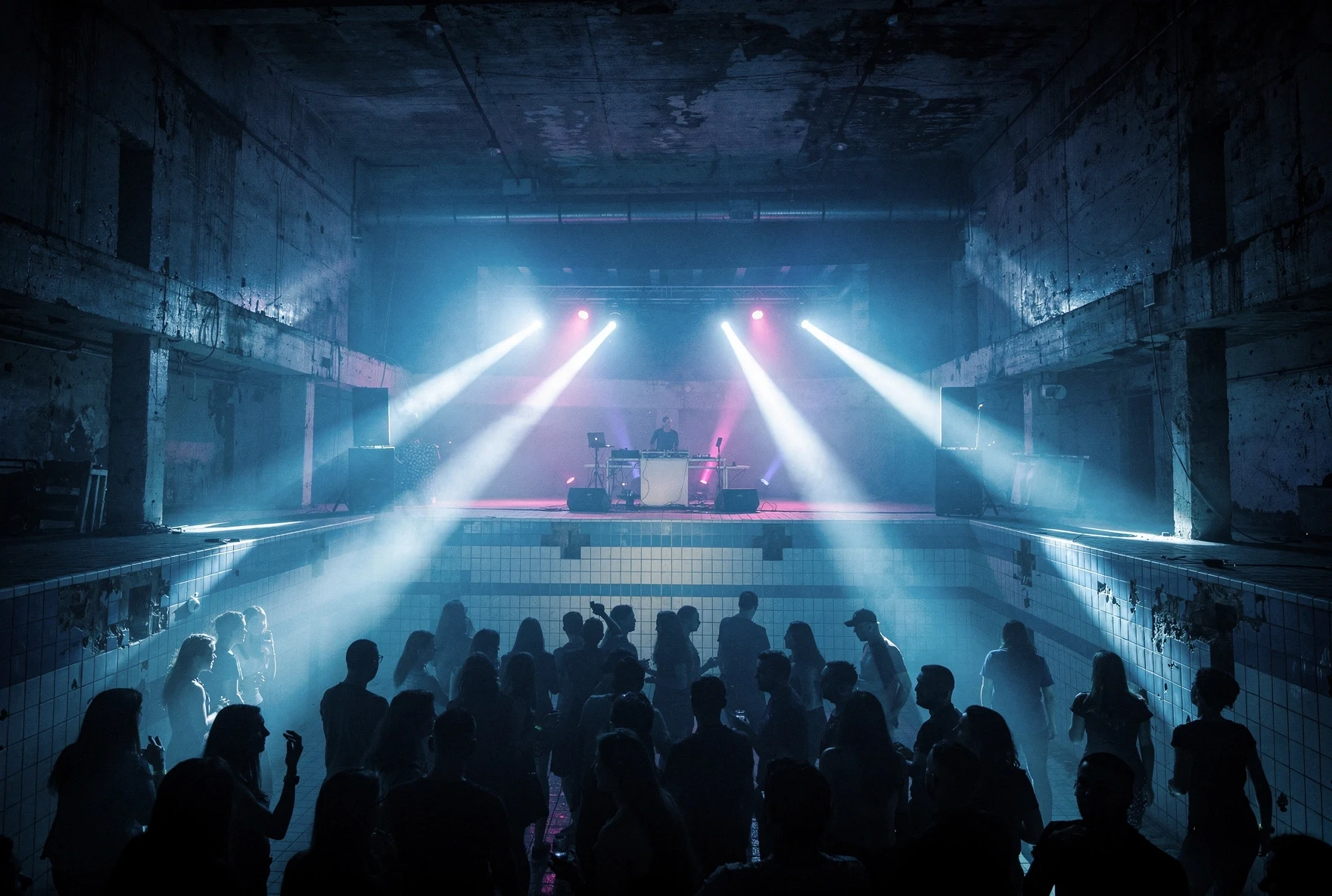
Clubs are a different universe. Bassiani and Khidi don't peak until 2–3 AM. Parties regularly run until 8–10 AM Sunday morning. This isn't unusual — it's the norm. If you show up at a club at midnight, you'll be standing in an echoing room with twelve people wondering where everyone is.
The Dinner-to-Bar Pipeline
Georgians don't separate "dinner" and "going out" the way Westerners do. A typical Friday night starts at a restaurant around 9 PM, moves to a bar around 11–12, and maybe to a club after 1 AM. Trying to skip dinner and go straight to a bar at 8 PM means drinking alone for two hours.
The other thing worth knowing: Tbilisi nightlife is seasonal. Summer transforms the city — rooftop bars open, Fabrika courtyard becomes an open-air party, and outdoor events pop up around Lisi Lake and Turtle Lake. Winter pushes everything underground (literally, in Bassiani's case), and the scene gets more intimate and local.
Wine Bars: Tbilisi's Real Strength
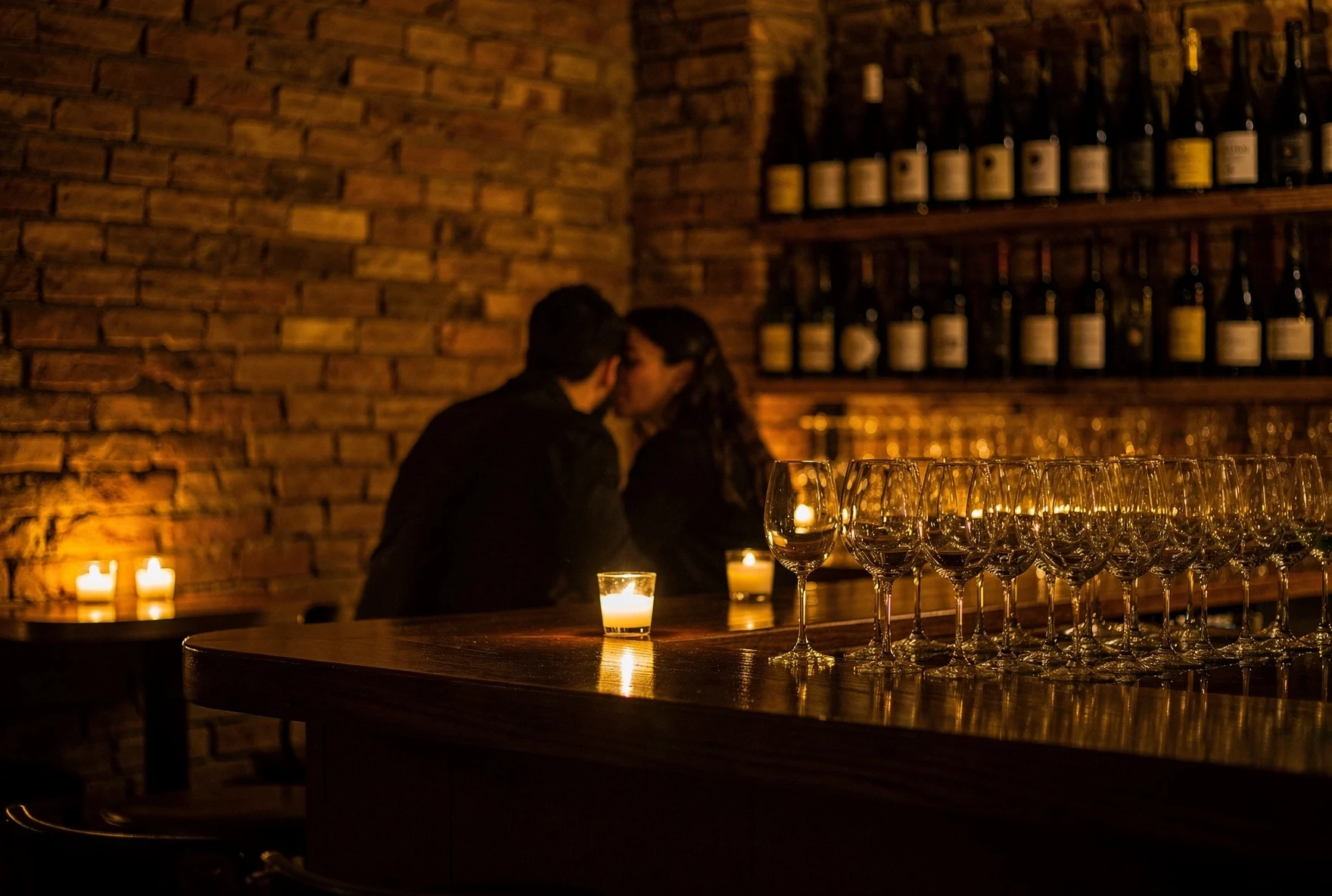
Forget the clubs for a moment. Tbilisi's wine bar scene is genuinely one of the best in Europe, and it costs a fraction of what you'd pay in London or Paris. Georgia has an 8,000-year winemaking tradition, and the natural wine movement here isn't a trend — it's how people have always made wine.
| Wine Bar | Area | Glass From | Vibe | Best For |
|---|---|---|---|---|
| Vino Underground | Tabukashvili St | 8 ₾ | Cellar, intimate | Natural wine purists |
| 8000 Vintages | Rustaveli Ave | 6 ₾ | Polished, professional | Tastings, learning about wine |
| Kancellaria | Ingorokva St | 10 ₾ | Lively, candlelit | Atmosphere + excellent food |
| Nino Meris | Sioni St / Vera | 10 ₾ | Tiny, personal | People-watching, Old Town charm |
| Wine Merchants | Chugureti | 8 ₾ | Relaxed, knowledgeable | Date night, charcuterie |
| g.Vino | Bambis Rigi | 10 ₾ | Upscale, terrace | Special occasions, views |
| Baasi | Sololaki | 10 ₾ | New, live music | Weekend live music + wine |
Amber Wine: The Thing You Need to Try
Georgian amber (orange) wine is made by fermenting white grapes with their skins in clay qvevri buried underground — a method UNESCO recognized as cultural heritage. It tastes nothing like regular white wine. If you've never tried it, ask for a glass of amber at any wine bar. You'll either love it or hate it, but you can't say you've lived in Georgia without trying it.
Vino Underground is where it all started — Georgia's first exclusively natural wine bar, co-founded by John Wurdeman of Pheasant's Tears fame. The subterranean cellar on Tabukashvili Street feels like drinking in someone's very cool basement. Staff know every bottle on the list and can walk you through a four-wine tasting. It's the bar that made Tbilisi a destination for wine nerds.
8000 Vintages is the more polished option. Their sit-down degustations (from 45 GEL for 4 wines with cheese) are one of the best experiences in the city. Sommeliers blind-taste 100 new bottles monthly to curate their list. If you're bringing visitors from home, this is where you take them.
Kancellaria, from the team behind Breakfast Is, is my personal favorite for a Friday night. Small, candlelit, noisy in the best way, and the food is spectacular — the chicken schnitzel and the adjika-lime flatbread justify the visit even without wine.
Bars by Vibe
Tbilisi has bars for every mood. Here's how to find yours:
🎸 Dive Bars & Rock
Nomads Corner — The expat mothership. ChaCha infusions, rock music, beer from 6 GEL. The two bar managers (M&M) DJ vintage rock. This is where you'll end up at 2 AM whether you planned to or not.
World's End Bar — Live music Fridays, infused vodkas, game nights. Nino Datunashvily's rock shows are a local institution. Popular with expats who've been here more than six months.
🍸 Cocktail Bars
Drama Bar — Polished interiors, DJ sets, well-made cocktails. The closest thing Tbilisi has to a "proper" cocktail bar in the Western sense.
Woland's Speakeasy — Hidden entrance, intimate seating, craft cocktails. Named after the devil in Bulgakov's The Master and Margarita. Reservation-worthy on weekends.
🌍 Expat-Friendly Mixed
Canudos (Vera) — "Because everyone counts" is their motto. Beautiful garden, international crowd, cheap drinks, world music vibes. Famous for their Mexican potatoes. Best in summer.
Rude Boy Bar — Italian food meets international bar. Best margarita in Tbilisi (genuinely). Mixed local-expat crowd, good starting point for exploring the surrounding area on foot.
☕ Café-Bar Hybrids
Café Gallery — Art café by day, DJ bar by night. Eclectic music, not too loud. Perfect if you want nightlife without sensory overload.
CafeTherapy (Marjanishvili) — Language exchange groups meet here daily. Amazing food for the price. More of a dinner-with-friends-that-becomes-a-night-out spot.
The Techno Scene: Bassiani, Khidi & Beyond
Tbilisi's electronic music scene is internationally famous. It's not hype — the city genuinely punches above its weight. The techno culture here emerged partly as a form of political resistance: in a socially conservative post-Soviet country, the clubs became spaces for personal freedom. The 2018 police raid on Bassiani (and the massive street protests that followed) cemented this reputation globally.
| Club | Location | Entry | Music | Door Policy | Key Nights |
|---|---|---|---|---|---|
| Bassiani | Dinamo Arena | 20–50 ₾ | Techno, minimal | Strict (Berghain-level) | Fri–Sat, until 10 AM+ |
| Khidi | Under Saarbrücken Bridge | 15–40 ₾ | Dark techno, industrial | Moderate–strict | Fri–Sat, until 8 AM+ |
| Mtkvarze | Kura River | 10–30 ₾ | House, disco, varied | Relaxed | Thu–Sat, outdoor terrace in summer |
| Left Bank | Left bank of Kura | 10–25 ₾ | Electronic, experimental | Relaxed | Fri–Sat |
| Safe | Central | 10–30 ₾ | Varied electronic | Moderate | Fri–Sat |
Getting Into Bassiani
Let's be honest about this because every article tiptoes around it. Bassiani has a strict door policy modeled on Berlin's Berghain. You will probably get rejected at least once. This is normal. The bouncers aren't being rude — they're curating a crowd. Here's what actually helps:
✅ What Gets You In
Dress dark and understated — all black works. Go in a small group (2–3 people). Go late (after 1 AM). Be sober enough to have a conversation. Show genuine interest in the music. Know the lineup. Be calm and relaxed at the door.
❌ What Gets You Rejected
Large groups (5+). Being visibly drunk. Flashy or tourist-y outfits. Taking photos at the door. Arguing with bouncers. Going just to say you went (they can tell). Showing up before midnight.
No Russian Citizens
Bassiani does not admit Russian passport holders. This policy has been in place since 2022 and reflects the broader political stance of Tbilisi's progressive cultural scene. Russian-speaking Georgians and other nationalities are fine — it's specifically about the passport.
Khidi (meaning "bridge") is the darker, grittier alternative. Located under the Saarbrücken bridge near the Kura River, it has a raw industrial vibe and heavier sound. The door is slightly less strict than Bassiani, though still selective. If Bassiani is the headline act, Khidi is the underground B-side — many locals actually prefer it.
Mtkvarze is the more accessible option. A club-restaurant-bar hybrid by the river with a fantastic outdoor terrace in summer. The music is more varied (house, disco, electronic), the door is relaxed, and you can eat before you dance. If you're not into strict-door techno clubs, this is your place.
Drinking by Neighborhood
Where you go out in Tbilisi depends on what you're looking for. Each area has a distinct character:
| Neighborhood | Character | Best For | Price Level |
|---|---|---|---|
| Old Town / Shardeni | Charming alleys, outdoor seating, walkable bar-hopping | First-timers, wine bars, atmosphere | $$ |
| Vera | Residential, quirky, local feel | Dive bars, expat hangouts, cheap drinks | $ |
| Fabrika / Marjanishvili | Creative hub, international crowd, courtyard culture | Meeting people, casual evenings, food + drinks | $–$$ |
| Vake | Upscale residential, polished bars | Cocktails, date nights, local professionals | $$–$$$ |
| Rustaveli / Ingorokva | Central avenue, mix of venues | Wine bars, speakeasies, late-night food | $$ |
| Aghmashenebeli | Renovated boulevard, restaurants transitioning to bars | Dinner-to-drinks pipeline, local scene | $–$$ |
Live Music & Cultural Events
Tbilisi has more going on than bars and clubs. The live music scene ranges from Georgian polyphonic singing (UNESCO-listed, hauntingly beautiful) to jazz festivals to underground psytrance in the hills.
🎵 Live Music Venues
Café Gallery — eclectic genres, intimate setting. Baasi Wine Bar — live bands on weekends. World's End Bar — regular rock and blues shows. In Vino Veritas — traditional Georgian music with dinner.
🎪 Annual Festivals
Tbilisi Jazz Festival (October) — international and local jazz at the conservatory. Tbilisi Open Air (summer) — multi-day electronic music festival. Black Sea Jazz Festival (July, Batumi) — worth the trip. Plus psytrance open-airs at Lisi Lake in summer.
🎭 Theater & Cinema
Rustaveli Theatre and Marjanishvili Theatre have regular performances (mostly in Georgian but occasionally with English subtitles). Amirani Cinema shows international films. The National Gallery hosts exhibition openings with free wine — a very Tbilisi combination.
🎤 Karaoke
Karaoke is genuinely popular in Georgia. Melody, Nali Karaoke, and Eta Karaoke Bar are the main spots. Expect Georgian pop songs you've never heard (but will enthusiastically pretend to know after a few glasses of chacha).
Fabrika: The Default Social Hub
If you're new to Tbilisi, your social life will probably start at Fabrika. This converted Soviet sewing factory in Marjanishvili has become the city's default gathering point for expats, digital nomads, travelers, and young locals.
The open courtyard fills up every evening with people eating, drinking, and doing the laptop-at-a-bar thing. It's not one venue — it's a complex with multiple bars, restaurants, a hostel, art studios, and shops. On warm evenings, it's the most reliably social place in the city. You will meet people here. It's basically impossible not to.
The Fabrika Paradox
Every expat goes through the same arc with Fabrika: love it as a newcomer, get tired of it after three months, avoid it for six months, then end up back there because it's still the easiest place to meet people. Accept this cycle. Resistance is futile.
What a Night Out Actually Costs
💰 Budget Night (Bars Only)
🍸 Full Night (Dinner → Bar → Club)
For context: a comparable night in Berlin, London, or New York would cost 3–5x more. A cocktail at a good Tbilisi bar costs what you'd pay for a soft drink in central London.
Georgian Drinking Culture: The Unwritten Rules
Alcohol is deeply embedded in Georgian culture, but the rules around it might surprise you.
| Rule | What It Means |
|---|---|
| Wine is default, not beer | At a Georgian dinner, the table expects wine. Ordering beer at a supra (feast) is like ordering a Coke at a wine tasting — technically allowed, but you'll get looks. |
| Toasts are mandatory | At any dinner with Georgians, the tamada (toastmaster) leads a structured sequence of toasts — to God, to family, to Georgia, to the dead. You drink after each toast. You don't sip; you drain the glass. This is not a suggestion. |
| Chacha is respect | If a Georgian offers you homemade chacha (grape brandy, 50–60% ABV), refusing is mildly offensive. Take the shot. Compliment it. Then strategically avoid the second round by hiding your glass under a napkin. |
| Drunk in public is taboo | Georgians drink heavily at dinner, but being visibly drunk on the street is considered shameful. The walk between the restaurant and the taxi should look dignified. This applies at bars too — stumbling around is badly received. |
| Women drink too | Despite the traditional culture, Georgian women are expected to participate in toasts — though often with smaller glasses. The "women don't drink" stereotype is outdated, especially in Tbilisi. |
| Bars close when they close | There's no strict last-call culture. Bars technically have closing times, but enforcement is... flexible. If the vibe is good and people are spending, nobody's kicking you out at 2 AM sharp. |
Meeting People: Beyond Fabrika
Building a social life in Tbilisi is genuinely easier than most cities. The expat community is large enough to be diverse but small enough that you'll keep running into the same faces. Here's where connections actually happen:
| Method | Where | Who You'll Meet |
|---|---|---|
| Language exchanges | CafeTherapy (daily groups), Lokal events | Mix of locals and expats, all ages |
| Facebook groups | "Expats in Tbilisi," "Tbilisi Digital Nomads" | Newcomers, long-termers, event organizers |
| Coworking events | Terminal, Lokal, Impact Hub | Remote workers, startup founders, professionals |
| Regular bar visits | Pick one bar, go every week | Regulars, staff, locals |
| Supra invitations | Accept every one you get | Georgian families, their entire extended network |
The Supra Shortcut
The fastest way to build a real social network in Tbilisi is to get invited to a supra (Georgian feast). One supra can introduce you to 15–20 people who will all add you on WhatsApp and invite you to the next one. How to get invited? Make one Georgian friend. That's it. They'll handle the rest — Georgians are famously generous with invitations.
Safety & Practical Tips
| Topic | Reality |
|---|---|
| Getting home | Bolt works 24/7. Rides are cheap (5–15 GEL across central Tbilisi at night). Surge pricing exists on weekend nights but it's still affordable. Always use the app — street taxis will overcharge you. |
| Drug policy | Georgia has harsh drug laws. Cannabis was decriminalized for personal use in 2018 (no jail time), but other substances carry serious prison time. Club culture doesn't change the law. Be smart. |
| Pickpockets | Rare compared to Western European cities, but possible at crowded venues and Shardeni Street. Keep your phone in your front pocket. Basics. |
| Fighting | Very rare. Georgian men have a concept of "face" — starting a fight in a bar is deeply shameful. You're far safer from bar violence here than in the UK or Australia. |
| Smoking | Indoor smoking is banned in all public places (since 2018). Most bars have outdoor areas for smokers. This is actually enforced, unlike many other Georgian regulations. |
| Closing time | No strict citywide closing time. Bars generally wind down 1–3 AM, clubs run until morning. Late-night food is everywhere — kebab shops and khachapuri stands near bar areas stay open until dawn. |
Seasonal Guide
| Season | What Changes | Best For |
|---|---|---|
| Summer (Jun–Aug) | Rooftop bars open, Fabrika courtyard peaks, outdoor festivals, Lisi Lake psytrance events, longer nights | Socializing, outdoor drinking, festivals |
| Autumn (Sep–Nov) | Rtveli (grape harvest) celebrations, new vintage wines appear, still warm enough for terraces, post-summer crowd settles | Wine culture, best weather, less tourist crowds |
| Winter (Dec–Feb) | Everything moves indoors, club scene intensifies, New Year's celebrations are massive, quieter bar scene | Clubs, cozy wine bars, New Year's parties |
| Spring (Mar–May) | Terraces reopen, city comes alive, Easter celebrations (big deal), GeoFest and other events | Emerging outdoor scene, local holidays |
Common Mistakes
Going out too early
Showing up at a bar at 8 PM means two hours of sitting alone. Dinner first (9–10 PM), then bars (11+), then clubs (1 AM+). Respect the Georgian timeline.
Only going to Fabrika
It's a great starting point, but Tbilisi has far more to offer. After your first month, branch out to Vera, Sololaki, and Vake. That's where the city's real character lives.
Ignoring wine culture
If you're only drinking cocktails and beer, you're missing what makes Tbilisi special. The wine scene here is extraordinary. Spend one evening at Vino Underground or 8000 Vintages — it'll change how you think about wine.
Getting wasted at a supra
Toasts are constant and refusal is difficult, but nobody is impressed by the foreigner who can't stand up by toast number eight. Pace yourself. Small sips between toasts. Eat the bread. Future you will be grateful.
Using street taxis
Some street taxis near bar areas target drunk foreigners with inflated prices. Always use Bolt. It's cheaper, trackable, and the driver can't "forget" the meter. Set up the app on day one.
Assuming clubs are like home
Tbilisi's club scene has its own culture and codes. No photos inside (seriously, they'll take your phone). Respect the door policy. Don't request songs from the DJ. Don't treat Bassiani like a tourist attraction — it's a space people take seriously.
Frequently Asked Questions
What time does nightlife start in Tbilisi?
Bars fill up around 10–11 PM, but clubs don't really start until midnight or later. Bassiani and Khidi often don't peak until 2–3 AM. Georgians eat dinner late (9–10 PM) and go out after. Friday and Saturday are the main nights.
How much does a night out cost in Tbilisi?
A beer at a bar costs 6–10 GEL ($2–4), cocktails 15–25 GEL ($5–9), wine by the glass 8–15 GEL ($3–5). Club entry ranges from free to 30–50 GEL ($10–18) for big events. A full night out including drinks, food, and a taxi home typically runs 50–150 GEL ($18–55).
Can I get into Bassiani as a tourist?
Bassiani has a strict door policy similar to Berlin's Berghain. Being a tourist doesn't automatically disqualify you, but looking like a tourist does. Dress dark and understated, go with friends who know the scene, avoid large groups, don't be visibly drunk, and have genuine interest in electronic music. Getting turned away is common and not personal.
Is Tbilisi nightlife safe?
Generally very safe. Violent crime at bars and clubs is rare. The main risks are pickpockets at crowded venues and isolated drink-spiking incidents (uncommon but be aware). Taxis via Bolt are reliable and cheap for getting home.
Where do expats hang out in Tbilisi?
Fabrika courtyard is the default meeting point. Dive bars like Nomads Corner, World's End Bar, and Canudos in Vera attract a mixed expat-local crowd. For a more local experience, try the wine bars on Sioni Street (Old Town) or around Vake. Coworking spaces like Terminal and Lokal also host regular social events.
Written by The Georgia Expats Team
We've been going out in Tbilisi for years — from the dive bars of Vera to the depths of Bassiani at 5 AM. This guide reflects real experience, not a weekend trip's worth of bar-hopping.
Last updated: February 2026.
Related Articles
Eating Out in Tbilisi
Where to eat, what to order, and how Georgian restaurant culture works.
Social Life & Making Friends
How to build a real social circle beyond the tourist track.
Safety in Georgia
Crime, scams, and how safe Georgia really is for foreigners.
Cost of Living in Georgia
Real budgets for rent, food, transport, and entertainment.