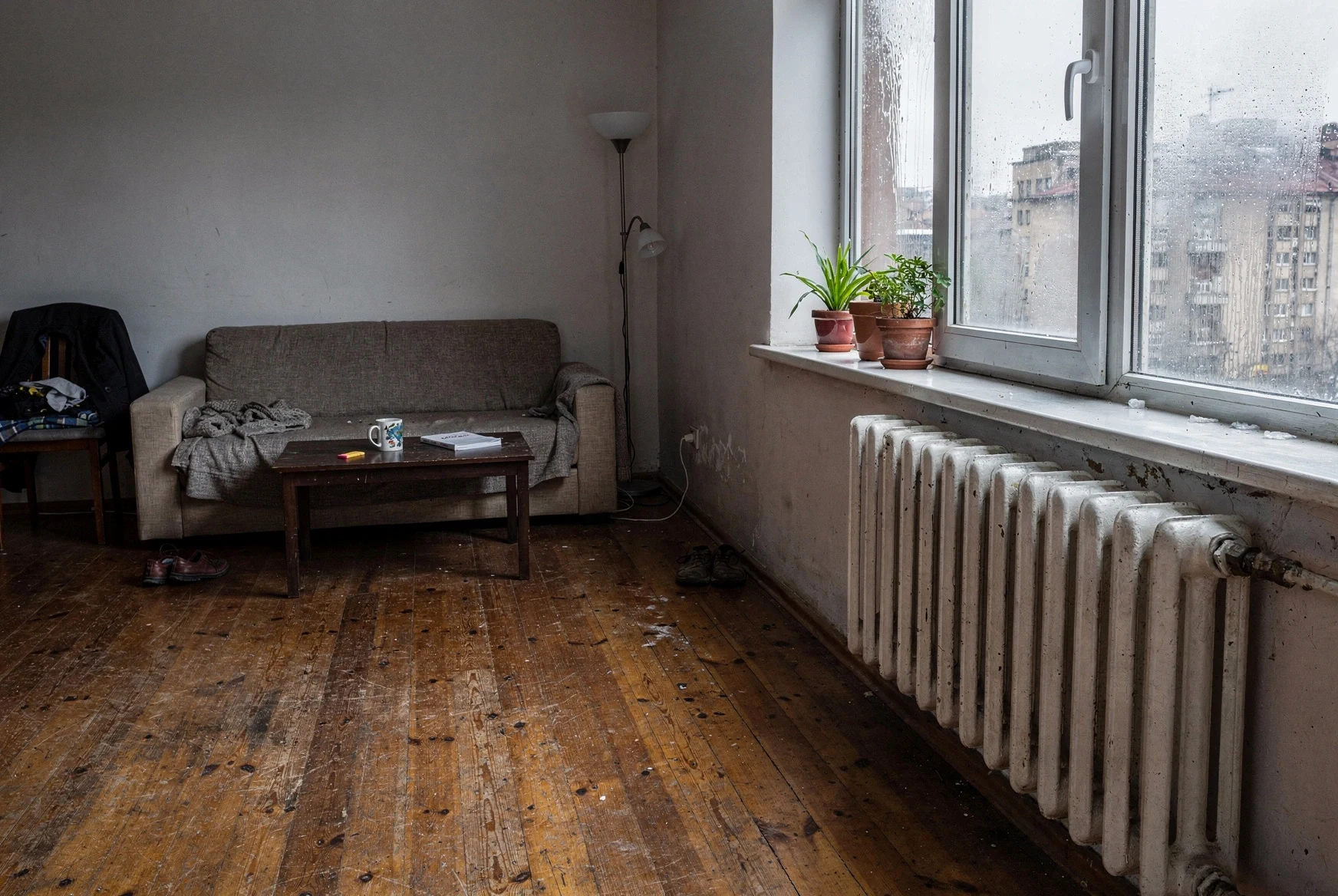
A lot of people move to Tbilisi, find a charming apartment with high ceilings and a balcony, feel proud of the deal they got, then hit November and realize the place is damp, the windows sweat like a greenhouse, the bedroom wall is growing mold behind the wardrobe, and the heating system is basically decorative. This is one of the most common expat mistakes in Georgia because listings focus on location and photos, not on whether the apartment is actually livable in winter.
Tbilisi is not Siberia, but winter housing quality matters here far more than first-timers expect. Cold walls, weak insulation, old gas boilers, and sloppy renovations can turn a "good value" apartment into a health problem and a money pit. This guide is the practical version of what locals sometimes forget to explain: how to spot trouble, what you can fix, what you cannot, and when to walk away.
Fast Summary
- • The biggest winter apartment risks in Tbilisi are mold, condensation, weak heating, and poor insulation
- • Old charm apartments are often the worst offenders unless they were renovated properly
- • Gas heating can be cheap and effective, but bad boilers and bad ventilation are not a joke
- • If a landlord cannot explain the heating setup and last winter's bills clearly, assume trouble
- • A dehumidifier, CO detector, and proper ventilation solve some problems — not structural ones
- • Sometimes paying more for a newer building is the cheaper decision overall
Why This Keeps Happening in Tbilisi
Tbilisi's apartment stock is a messy mix of Soviet blocks, old historic buildings, bad quick flips, and newer developments with varying quality. A lot of rentals are optimized for getting rented, not for performing well through a Georgian winter. That means landlords paint over stains, replace visible surfaces, install fashionable lighting, then leave the deeper problems untouched.
The usual pattern looks like this:
- old external walls with poor insulation
- double-glazed windows added without improving ventilation
- a gas heater or boiler that technically works but barely heats the far rooms
- wardrobes pushed against cold outside walls
- bathrooms with weak extraction or none at all
- fresh paint covering last winter's moisture damage
None of that is rare. It is normal enough that if you do not actively check for it, you are basically relying on luck.
The Real Housing Rule
In Tbilisi, the right question is not "does this apartment look nice?" It is "will this apartment still feel okay after six weeks of cold weather, closed windows, wet laundry, and daily heating?" Very different test.
Which Apartments Are Most at Risk
| Apartment Type | Mold / Damp Risk | Heating Risk | Reality |
|---|---|---|---|
| Old Town / historic building | High | Medium to high | Beautiful, but often drafty, unevenly heated, and vulnerable to condensation |
| Soviet block, partial renovation | High | High | Classic budget trap: looks acceptable online, gets ugly in winter |
| Ground-floor apartment | Very high | Medium | Moisture, colder floors, and less sunlight make these the hardest to keep dry |
| Top floor under old roof | Medium to high | Medium | Heat loss and roof leaks are the main problem |
| Modern new build | Low to medium | Low to medium | Usually better, but cheap construction and thin walls still happen |
| Properly renovated post-2005 building | Low | Low | Usually the safest bet if comfort matters more than romance |
The worst category is the "looks good in the photos" Soviet apartment with a cosmetic renovation. These are the ones that fool people most often because they are central, pretty enough, and cheaper than a good new build.
How to Spot Trouble During a Viewing
You do not need to be an engineer. You just need to stop doing viewings like a tourist and start doing them like someone who will be stuck there in January.
Window Condensation
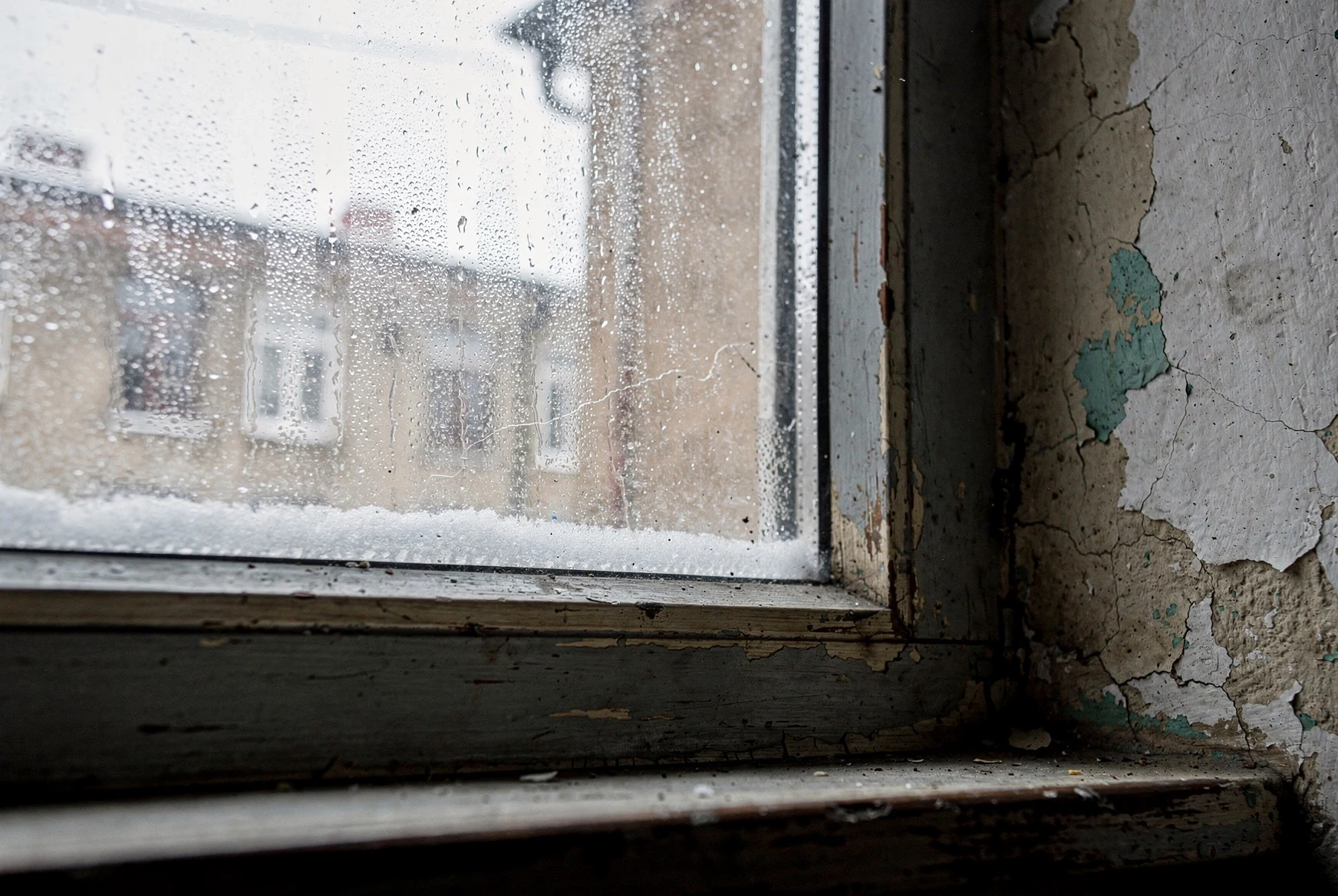
If the windows are already wet or fogged on a cool day, that is not nothing. It means moisture is building up faster than the apartment can vent it.
Musty Smell
That sweet-damp smell in bedrooms, bathrooms, or closets is usually the real warning sign. Mold can be hidden visually; the smell is harder to fake away.
Fresh Paint in Suspicious Areas
Fresh paint around windows, corners, ceilings, or behind beds often means old staining got covered, not solved.
Cold Exterior Walls
Put your hand on the wall near windows and outer corners. If it feels much colder than the rest of the room, expect condensation risk.
Furniture Against Outside Walls
Ask to open the wardrobe or move it slightly if possible. Mold loves the trapped air gap behind furniture on cold walls.
Bathroom Without Extraction
A bathroom with no window and no proper fan is a moisture factory. That moisture then spreads through the apartment.
Do the Closet Test
Open wardrobes, especially in bedrooms. Smell inside. Look at the back corners and lower edges. If it smells stale or you see black spotting, the apartment already has a winter moisture problem. That is one of the easiest ways to catch it early.
The Heating Systems You Will Actually Encounter
Landlords love saying "there is central heating" loosely. In practice, you need to know exactly what system is there, what rooms it reaches, and how it gets paid for.
| System | Good? | Main Upside | Main Problem |
|---|---|---|---|
| Gas boiler + radiators | Usually yes | Best balance of comfort and cost | Needs maintenance, ventilation, and a functioning boiler |
| Individual gas heater in one room | Sometimes | Cheap to run | Heat distribution is bad; bedroom can stay cold |
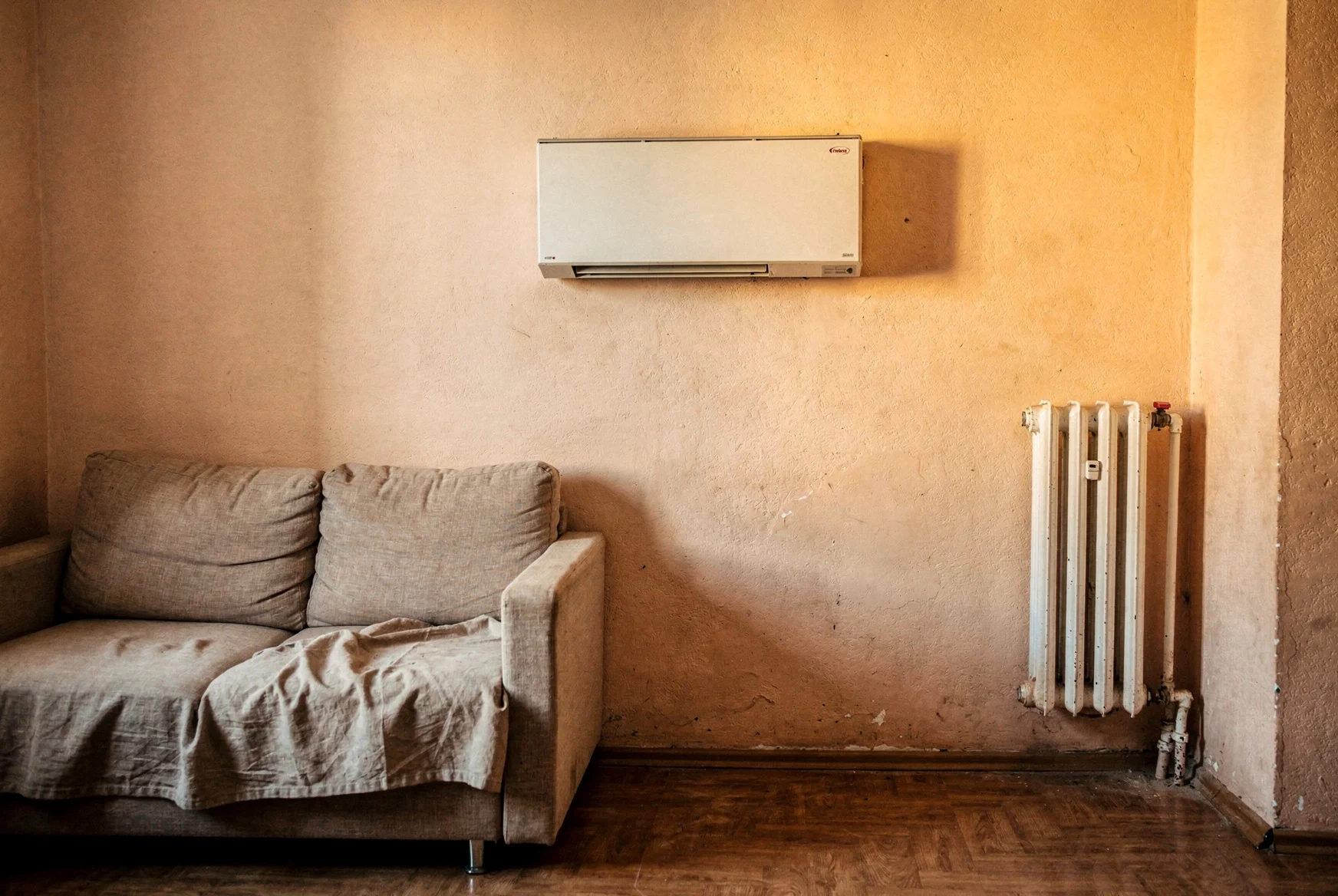
| Air-conditioner heat pump | Decent | Fast and easy, good for shoulder seasons | Not enough alone in many apartments during cold spells |
| Electric radiator / space heater only | Usually no | Simple and safe | Expensive and weak for whole-apartment heating |
| Old Soviet central remnants | Rarely | None unless upgraded | Often unreliable, partly disconnected, or mostly symbolic |
For most expats, the best practical setup is a properly maintained gas boiler with radiators plus decent windows. Not romantic, just effective.
Questions You Should Ask the Landlord
If you only ask "how much is the rent?" and "is internet available?" then you are setting yourself up badly. Ask these instead:
- What kind of heating is installed exactly?
- How many rooms does it heat properly?
- What were the gas and electricity bills in January?
- When was the boiler last serviced?
- Has the apartment had mold before?
- Do the bathroom and kitchen have extraction?
- Are the windows double-glazed?
- Have there been roof leaks or wall damp issues?
If they answer vaguely, joke it away, or say "no problem, very warm," that is not a real answer. A good landlord can explain the system clearly in two minutes.
What You Can Fix Yourself
Not every damp apartment is doomed. Some problems are manageable if the base apartment is decent and you stay on top of them.
| Problem | DIY Fix? | Practical Move |
|---|---|---|
| Condensation on windows | Yes | Ventilate daily, reduce indoor humidity, use a dehumidifier |
| Mild bathroom mold | Yes | Clean properly, improve extraction, keep surfaces dry |
| Furniture trapping moisture | Yes | Pull wardrobes and beds away from exterior walls |
| No carbon monoxide detector | Yes | Buy one immediately if any gas appliance exists |
| Weak heating in one room | Sometimes | Supplement with a good electric unit, but check running cost |
| Cold, uninsulated exterior walls | Not really | You can manage symptoms, not solve the building |
| Recurring black mold behind paint | Usually no | This is often a structural moisture issue, not a spray-bottle issue |
Useful Cheap Gear
A humidity meter, CO detector, and basic dehumidifier are all worth owning in Georgia if you rent older apartments. None of them are glamorous purchases. All three are more useful than another lamp or nicer coffee mugs.
What You Cannot Really Fix
Here is the expensive lesson: some apartments are just bad winter apartments. No amount of vinegar, anti-mold spray, or positive thinking changes that.
- outside walls that stay wet and cold for months
- old roof leakage
- structural moisture from the building fabric
- single-room heating trying to cover a whole apartment
- poorly installed windows with constant drafts and condensation
- bathrooms with no realistic way to ventilate
If you are already using a heater, opening windows daily, wiping condensation, cleaning mold, and the problem keeps returning, that is usually not a "try harder" situation. That is a building-quality situation.
The Health Side Most People Ignore
People often talk about mold and damp like they are just aesthetic annoyances. They are not. Persistent damp air and mold exposure can mean coughing, headaches, irritated sinuses, worse allergies, worse asthma, and poor sleep. Even if you are not especially sensitive, living in a room that smells damp all winter wears you down.
The bigger risk people underplay is gas safety. Plenty of apartments in Tbilisi still rely on gas appliances. Most are fine. Some are not. If a boiler has poor exhaust, poor maintenance, or bad ventilation, carbon monoxide is the only thing in this whole discussion that can go from "minor housing issue" to "serious emergency" fast.
When to Take Mold Seriously
If you keep waking up stuffy, coughing more indoors, or seeing new growth come back repeatedly after cleaning, stop treating it as cosmetic.
When to Take Heating Safety Seriously
If a gas appliance smells wrong, soots up, makes unusual noises, or sits in a room with poor ventilation and no detector, deal with that immediately.
How Much Comfort Is Worth Paying For
This is where a lot of people sabotage themselves. They save 200–300 dollars on rent by taking an older apartment, then spend the winter paying more in utilities, buying gear, dealing with maintenance, and being less comfortable. That is not always a good trade.
Old apartment that looked cheap
Better newer apartment
Not every newer building is good and not every old apartment is bad. But comfort has a real price, and in Tbilisi it is often worth paying for if you plan to stay through winter.
Best Practical Setup for Most Expats
If you want the low-drama option, this is what you are looking for:
- post-2005 building or a genuinely thorough renovation
- double-glazed windows
- gas boiler with radiators or a solid central system
- bathroom extraction that actually works
- good sunlight
- no furniture jammed against damp outside walls
- clear utility history from the landlord
That combination beats a prettier apartment with old bones almost every time if you care about livability more than balcony photos.
Quick Decision Framework
| If you see this | Do this |
|---|---|
| Clear landlord answers, solid boiler, dry walls, good windows | Proceed normally |
| Small condensation issue but otherwise strong apartment | Fine if you budget for ventilation and a dehumidifier |
| Musty smell, suspicious repainting, vague heating answers | Be very cautious or walk away |
| Visible recurring mold plus weak heating setup | Walk away |
| Gas appliance with no detector and poor ventilation | Fix immediately or do not rent it |
Quick FAQ
Is mold in Tbilisi apartments actually common?
Yes, especially in older buildings, ground-floor units, and half-renovated apartments with weak ventilation. It is one of the most common winter apartment problems expats run into.
Are gas boilers safe in Georgia?
Usually yes, if they are maintained and vented properly. The problem is not gas itself. The problem is old or badly installed equipment and people living without a carbon monoxide detector.
Can a dehumidifier solve the problem?
It can solve or reduce a humidity problem. It cannot solve a bad building envelope, a leaking roof, or structurally cold walls that keep generating condensation.
Should I avoid old apartments completely?
No. Some old apartments are excellent. You just have to inspect them far more seriously than people usually do and stop assuming a cosmetic renovation means winter quality.
Final Word
Tbilisi has a lot of charming apartments. Charm is not insulation. High ceilings are not heating. Fresh paint is not dryness. That is the core lesson.
If you are renting in Georgia, apartment quality is not a side issue — it shapes your comfort, your utility bills, and sometimes your health. Be picky. Ask boring questions. Smell the closets. Touch the walls. Ask for winter bills. Buy a carbon monoxide detector. And if a place feels slightly off during the viewing, trust that instinct. It usually gets worse, not better, once winter starts doing its work.
Written by The Georgia Expats Team
We have done the cold-wall, bad-boiler, mystery-mold version of apartment life in Tbilisi and learned the expensive lessons already. This guide is built from that reality, not landlord brochure language.
Last updated: March 2026.
Related Articles
Renting an Apartment in Tbilisi
How to find, negotiate, and inspect a place without getting trapped in a bad lease.
Furnishing & Home Setup
What to buy first, where to get it, and which practical home upgrades are actually worth it.
Environmental Health in Tbilisi
Tap water, winter air, stray dogs, and the wider health context of living here.
Utilities & Bills in Georgia
Gas, electricity, heating costs, and what seasonal bills actually look like.