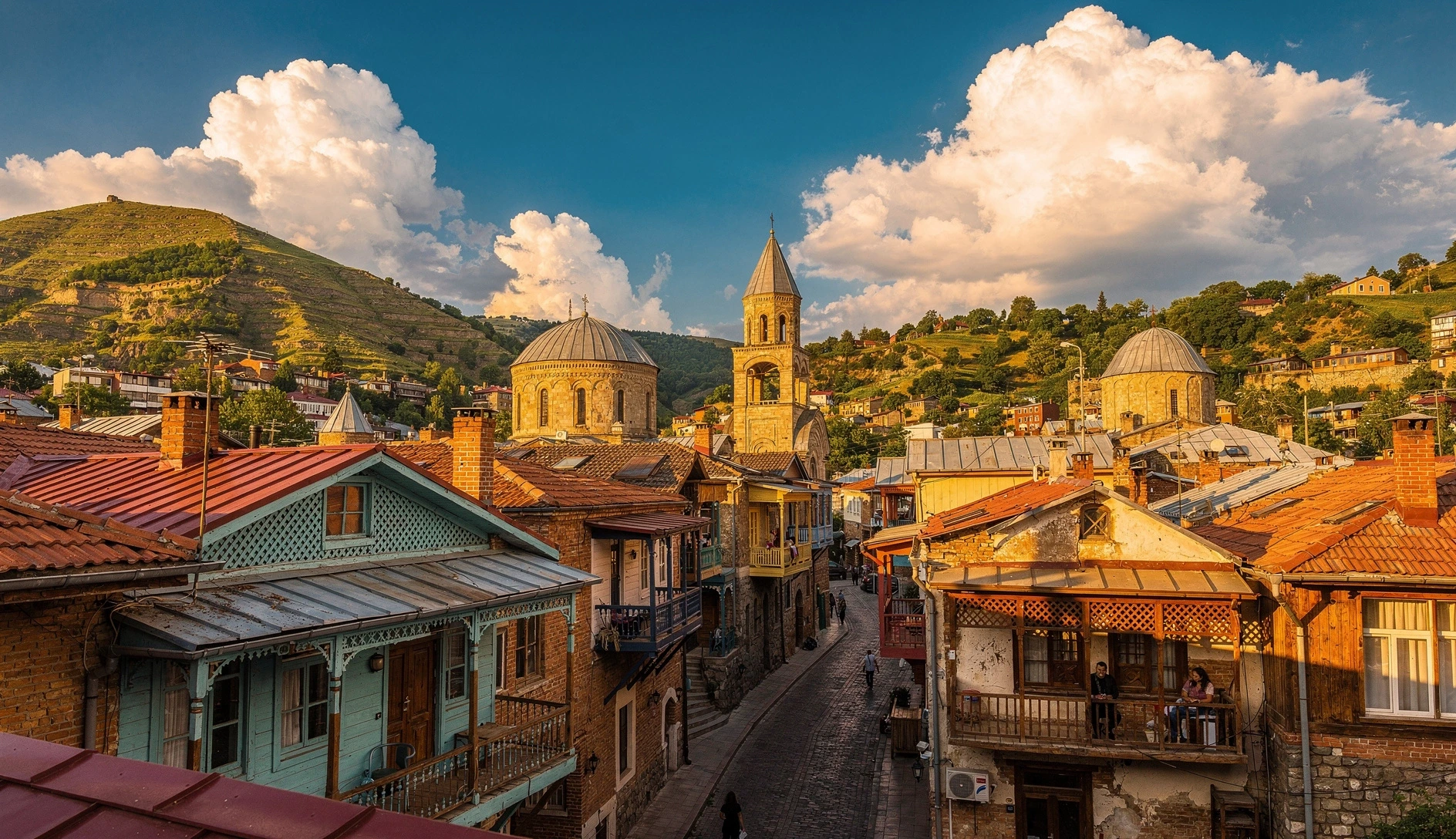
Every "Tbilisi weather" search gives you the same thing: an auto-generated chart showing average highs and lows, a recommendation to visit in May or September, and zero useful information for someone actually planning to live here. Here's what those charts don't tell you: Tbilisi has brutal summers that make your apartment feel like a sauna. Winters are grey and damp in a way that seeps into your bones. Spring barely exists — it's two gorgeous weeks sandwiched between cold rain and sudden heat. And autumn is genuinely perfect, which is why everyone who's lived here for more than a year considers it the best season.
This guide covers what the weather is actually like month by month — not the tourist version, but the lived-in version. How it affects your apartment, your electricity bill, your mood, your social life, and your decision about which neighborhood to live in. If you're thinking about moving to Georgia or already here and wondering what you signed up for, this is the guide you need.
The Big Picture: Tbilisi's Climate
Tbilisi sits in a valley at about 400-500 meters elevation, surrounded by hills on three sides. This geography creates a microclimate that amplifies extremes: the valley traps heat in summer and cold, damp air in winter. The Mtkvari River running through the city adds humidity without offering much cooling relief.
Officially, it's classified as a humid subtropical climate (Köppen Cfa), which puts it in the same category as parts of the American South or northern Italy. In practice, it feels like four very distinct seasons — a hot Mediterranean summer, a grey Central European winter, a fleeting spring, and a long, golden autumn.
The annual average is around 13°C (55°F), which sounds mild but tells you nothing useful. What matters is the swing: you'll experience a 45-degree Celsius range between the coldest winter nights and the hottest summer afternoons. That's a bigger range than most European capitals.
Altitude Matters More Than You Think
Tbilisi's neighborhoods span different elevations. Vake and Saburtalo sit higher and stay 2-3°C cooler than the Old Town and Avlabari, which are down in the valley. In summer, this difference is noticeable. In winter, the higher neighborhoods get more snow but less of the valley fog.
Month-by-Month Breakdown
Here's what each month actually feels like when you're living here, not just passing through.
| Month | Avg High | Avg Low | Rain Days | Vibe |
|---|---|---|---|---|
| January | 6°C / 43°F | -1°C / 30°F | 5-7 | Grey, damp, short days |
| February | 8°C / 46°F | 0°C / 32°F | 5-7 | Still winter, occasional sunny days |
| March | 13°C / 55°F | 4°C / 39°F | 7-9 | Wet, unpredictable, false spring |
| April | 19°C / 66°F | 9°C / 48°F | 7-9 | Rainy but warming up, flowers |
| May | 24°C / 75°F | 13°C / 55°F | 8-10 | The best month — warm, green, alive |
| June | 29°C / 84°F | 17°C / 63°F | 5-7 | Hot, long days, summer begins |
| July | 33°C / 91°F | 20°C / 68°F | 3-5 | Brutally hot, city empties |
| August | 33°C / 91°F | 20°C / 68°F | 3-5 | Peak heat, locals at the sea |
| September | 28°C / 82°F | 16°C / 61°F | 3-5 | Perfect — warm, dry, golden |
| October | 20°C / 68°F | 10°C / 50°F | 5-7 | Crisp autumn, rtveli, Tbilisoba |
| November | 13°C / 55°F | 5°C / 41°F | 5-7 | Transitional, getting grey |
| December | 7°C / 45°F | 1°C / 34°F | 5-7 | Winter arrives, festive mood |
Winter (December–February): The Grey Months
Let's start with the season that surprises the most people. Tbilisi's winter isn't Scandinavian-cold — you won't see -20°C. But it's a persistent, damp cold that many Northern Europeans find worse than what they left behind. Temperatures hover between 0-8°C most days, occasionally dipping to -5 or -10°C during cold snaps. The issue isn't the temperature itself. It's the combination of grey skies, damp air, and apartments that weren't built for comfort.
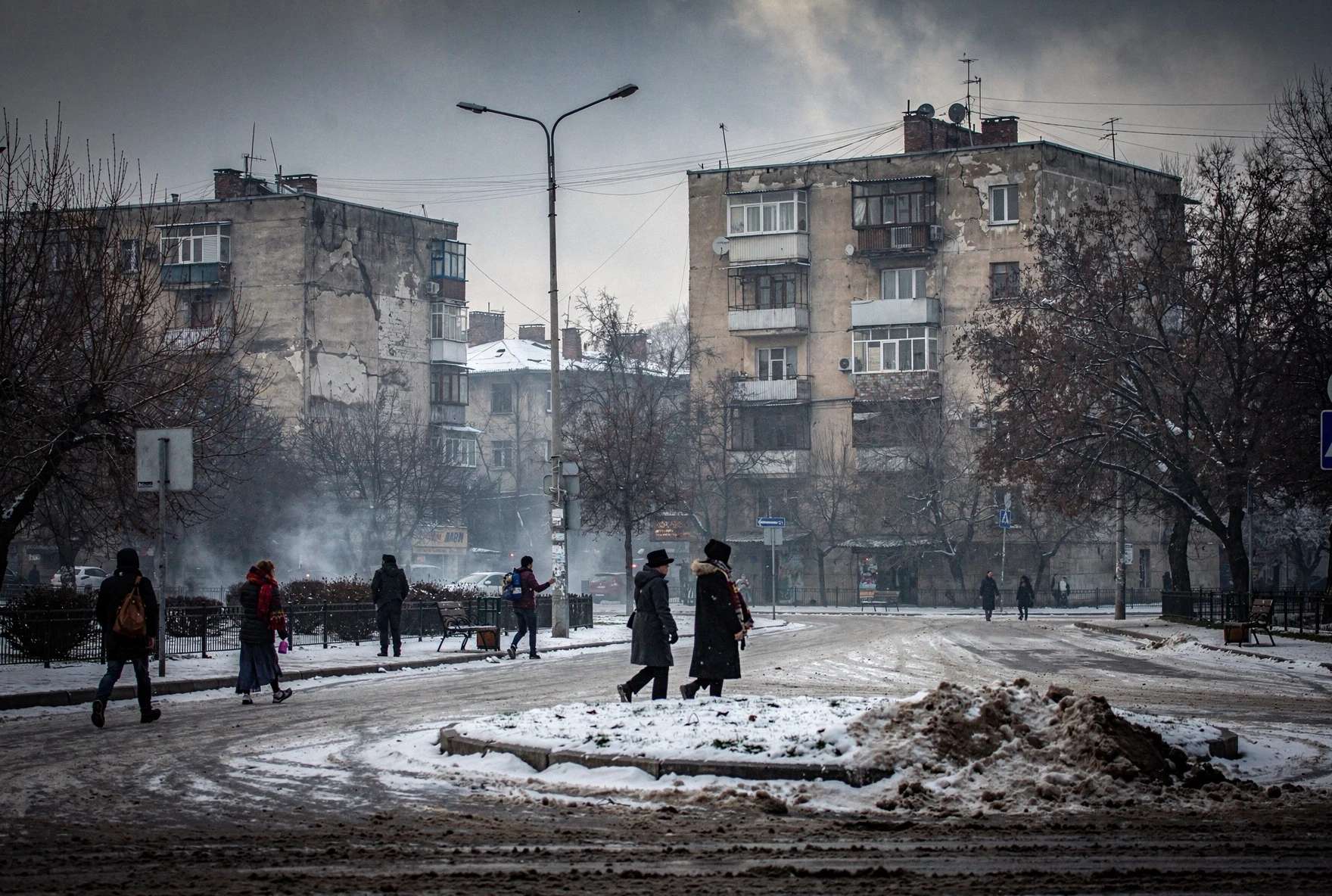
Snow happens a few times each winter but rarely sticks for more than a day or two in central Tbilisi. The hills around the city get more consistent coverage. When it does snow, the city grinds to a halt — Tbilisi doesn't have snow ploughs or salt trucks in any meaningful quantity. Roads become skating rinks, and drivers who barely follow lane markings on dry days become genuinely dangerous.
The Heating Situation
This is where it gets real. Most Tbilisi apartments use natural gas heaters — either a central gas boiler feeding radiators or standalone gas heaters in individual rooms. The quality of your heating system will define your winter experience more than the actual outside temperature.
Newer apartments (post-2010 construction) generally have proper central heating with radiators in every room and decent insulation. Older Soviet-era or renovated historic buildings can be a different story — single-pane windows, poor insulation, and sometimes only one or two gas heaters for the entire apartment. In these places, you'll feel the cold. Your bedroom might be fine while your bathroom is freezing.
Winter Heating Costs (Typical 60-80m² Apartment)
The key lesson: always check the heating system before signing a lease. Ask specifically about gas vs. electric heating, whether there are radiators in every room, and how old the windows are. A cheap apartment with electric-only heating will cost you more in the long run than a slightly pricier place with a proper gas boiler.
The Winter Mood Problem
Here's something nobody mentions in the "move to Georgia" content: Tbilisi winters are genuinely grey. Not London-grey where it rains constantly, but a flat, overcast grey where the sky looks like a concrete ceiling for weeks at a time. Daylight hours drop to about 9 hours in December. Combined with the fact that most social life moves indoors and outdoor café culture disappears, many expats experience real seasonal mood dips — especially those coming from countries closer to the equator or even from sunny Northern European summers.
If you're prone to seasonal affective disorder (SAD), take this seriously. A SAD lamp, vitamin D supplements, and a gym membership are not optional extras — they're winter survival tools. The mountains are a 2-hour drive away and often have sunshine above the cloud layer, so weekend ski trips to Gudauri can be a genuine antidote.
Winter Escape: Gudauri Is 2 Hours Away
Georgia's main ski resort sits at 2,200m elevation with consistent sunshine above the Tbilisi valley fog. Lift passes are around 40-60 GEL/day, and you can rent gear cheaply. Even non-skiers benefit from the altitude and sun. Many expats make it a regular weekend ritual from December to March.
Spring (March–May): The Season That Barely Exists
Tbilisi's spring is a running joke among long-term residents. You'll hear people say "there's no spring in Tbilisi" — and while that's an exaggeration, the core truth is that the pleasant window between winter cold and summer heat is startlingly short.
March is still winter in disguise. Temperatures average 13°C but can swing wildly — you might have a sunny 20°C day followed by a cold, rainy week at 6°C. It's the wettest period of the year, and the rain is persistent, not dramatic. Grey drizzle that kills any enthusiasm for the season.
April improves but remains unpredictable. The trees start blooming, the city greens up, and you'll have genuinely beautiful days. But you'll also have cold snaps that send you back to your gas heater. The trick with April is not putting away your winter jacket too early — every year, someone does and regrets it.
May is when Tbilisi becomes the city everyone raves about. Temperatures hit 20-25°C, everything is green and blooming, outdoor café culture returns in full force, and the daylight stretches past 8 PM. If you're timing a visit or a move, May is arguably the single best month to experience the city. The problem? It transitions to hot surprisingly fast. By late May, you're already tasting summer.
Summer (June–August): Beautiful and Brutal
Summer is when people either fall in love with Georgia or start questioning their life choices. June is gorgeous — warm, long days, comfortable evenings, outdoor dining at its peak. The temperature is manageable, usually 25-30°C, and the city has an energy that's hard to describe. Everyone is outside. Balconies come alive. The parks are full. If Tbilisi had June weather year-round, it would be the most popular expat destination on earth.
Then July and August arrive, and the temperature climbs into the mid-30s consistently, with spikes to 38-42°C during heat waves. The valley geography that defines Tbilisi works against you here — hot air gets trapped between the hills, humidity rises, and the concrete radiates stored heat well into the night. Walking anywhere between 1 PM and 6 PM feels like an endurance exercise.
The AC Question
Air conditioning is not standard in older Tbilisi apartments. Some newer buildings have it built in, but many renovated apartments in the Old Town, Vera, and Sololaki — the neighborhoods most popular with expats — either have window units or nothing at all. This is a non-negotiable when apartment hunting if you plan to stay through summer.
| Cooling Option | Monthly Cost | Notes |
|---|---|---|
| Split AC unit (inverter) | 60-150 GEL electricity | Best option. Insist on inverter type — older ones are power hogs. |
| Portable AC unit | 80-200 GEL electricity | Less efficient but doesn't need installation. Noisy. |
| Fans only | 10-20 GEL electricity | Survivable in June. Miserable in July-August. |
| No cooling | — | Sleep with windows open. Expect mosquitoes. |
Electricity costs spike noticeably in summer if you're running AC. Expect your electricity bill to double or triple compared to spring. Georgia's electricity is tiered — the first 101 kWh per month is cheaper, after which the rate increases. Heavy AC use will push you into the higher tier.
How Tbilisi Adapts
The city's rhythm shifts dramatically in summer. Restaurants move tables outside. Business hours sometimes shift — some shops close during peak afternoon heat and reopen in the evening. Many Georgians leave the city entirely in August, heading to the Black Sea coast (Batumi, Kobuleti, Ureki) or the mountains (Bakuriani, Mestia, Kazbegi). The expat community thins out too — digital nomads tend to do the same, either heading to the coast or leaving Georgia temporarily.
If you're staying in Tbilisi through July-August, the trick is adapting your schedule. Do your errands and outdoor activities before 11 AM or after 7 PM. Afternoons are for air-conditioned spaces — coworking spots, malls, or your apartment. Evening walks along the Mtkvari embankment and in Mtatsminda Park become the social highlights. The city comes alive after 9 PM when the temperature finally drops below 30°C.
UV Is Stronger Than You Expect
Tbilisi sits at roughly the same latitude as Rome and Barcelona. The UV index regularly hits 8-10 in summer. If you're from Northern Europe or working from a laptop on a balcony, you will burn faster than you think. Sunscreen, hat, and sunglasses are daily essentials from May through September.
Autumn (September–November): The Golden Season
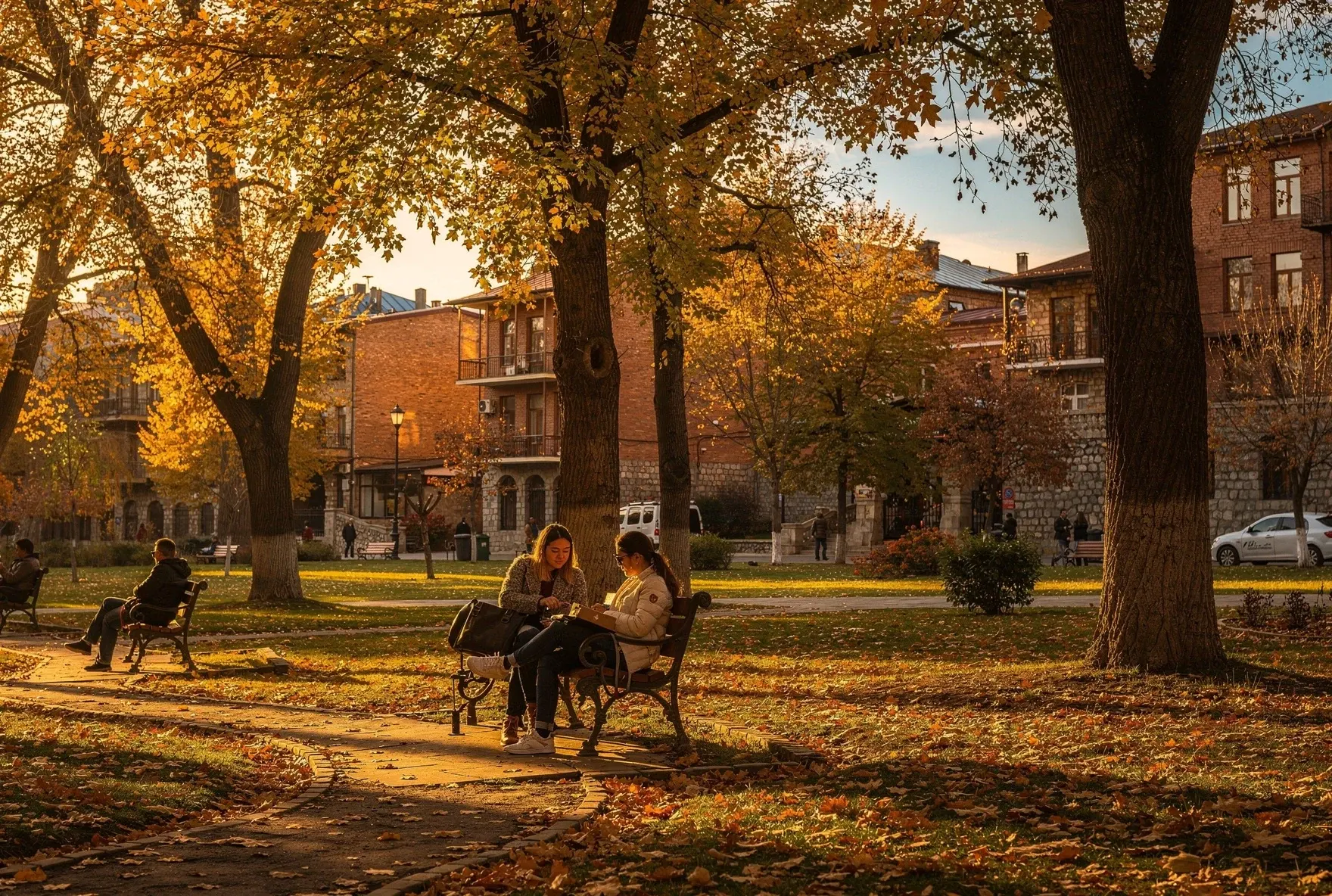
Ask any long-term expat their favorite season in Tbilisi, and most will say autumn without hesitation. It's the season that makes you forget about the summer heat and the winter grey. It's the season that makes you understand why people stay.
September is effectively a warm, dry extension of summer but with the edge taken off. Temperatures drop to a comfortable 25-28°C, the brutal midday heat disappears, and evenings become genuinely pleasant. Everything is still outdoor-friendly, but you can actually walk around at 2 PM without melting.
October is peak Tbilisi. The city turns golden and amber as the trees change, temperatures hover around 18-22°C during the day, and the light takes on that warm, low-angle quality that makes everything look cinematic. This is also rtveli season — grape harvest — when wine regions like Kakheti are buzzing with activity. Tbilisoba, the city's annual festival, happens in late October, filling the streets with food stalls, music, and general celebration.
November is the transition month. The first half can still feel like late autumn — cool, crisp, jacket-weather. The second half starts feeling like early winter — grey, damp, with occasional cold rain. The shift usually happens fast. One week you're in a light jacket enjoying golden leaves, the next you're in a winter coat with an umbrella. By late November, you're in winter mode whether you're ready or not.
What to Actually Wear: Season by Season
🧊 Winter (Dec–Feb)
Proper winter coat, layers, waterproof boots (streets flood), scarf and gloves. Tbilisi sidewalks are rough — good soles matter. Indoor heating varies wildly, so dress for cold indoors at cafés and offices too.
🌧️ Spring (Mar–May)
The hardest season to dress for. Layers are essential — mornings can be 8°C, afternoons 22°C. Rain jacket is non-negotiable March through April. By May, switch to light layers and sunscreen.
☀️ Summer (Jun–Aug)
As light as possible. Linen, cotton, breathable fabrics. Sandals or light shoes. Sunscreen and a hat are daily essentials. Bring one light layer for air-conditioned restaurants — the temperature difference between outside (38°C) and inside (20°C) causes actual temperature shock.
🍂 Autumn (Sep–Nov)
Light jacket in September, proper jacket by October, winter gear by late November. The transition happens fast. A good medium-weight jacket with a zip-in layer covers September through mid-November.
How Weather Shapes Expat Life
Beyond temperature numbers, here's how the climate actually affects your daily routine and decisions as an expat in Tbilisi.
Apartment Hunting
The weather should directly influence where and what you rent. Key factors:
- Sun exposure: South-facing apartments are great in winter (natural warmth and light) but miserable in summer without AC. North-facing stays cooler in summer but can be gloomy in winter.
- Floor level: Top-floor apartments are ovens in summer. Ground-floor stays cooler but can be damp in winter. Middle floors are the sweet spot.
- Insulation and windows: Double-pane windows and proper insulation cut heating and cooling costs by 30-50%. Worth paying a premium for.
- Balcony: A covered balcony is usable 7-8 months of the year and basically adds a room to your apartment from April through November.
Social Patterns
Tbilisi's social calendar is heavily weather-driven. The expat community's energy peaks in May-June and September-October — these are the months when every rooftop bar is packed, hiking groups are active, and people are starting new things. Winter sees a noticeable social withdrawal. Fewer events, smaller gatherings, more "Netflix at home" energy. If you're building a social life, time your arrival for spring or early autumn — not winter.
Work Patterns
If you're working remotely, the weather affects productivity more than you'd expect. Summer afternoons in an apartment without AC make focused work nearly impossible. Winter grey can sap motivation. The solution most expats land on: coworking spaces (they have AC and heating) or the many excellent cafés that are comfortable year-round.
Beyond Tbilisi: Regional Climate Differences
Georgia packs an absurd amount of climate diversity into a country the size of Ireland. Understanding this is useful for weekend trips, choosing a second base, or deciding if you want to live somewhere other than Tbilisi.
| Region | Climate | Summer | Winter | Best For |
|---|---|---|---|---|
| Tbilisi | Continental | Hot (35-40°C) | Cold, damp (0-5°C) | Year-round base |
| Batumi | Subtropical | Warm, humid (28-32°C) | Mild, very rainy (5-10°C) | Summer escape, but winter rains are relentless |
| Kakheti | Semi-arid steppe | Very hot, dry (38-42°C) | Cold, windy (0-5°C) | Wine trips, autumn rtveli |
| Kazbegi/Stepantsminda | Alpine | Cool, pleasant (18-24°C) | Freezing, snow (-10 to 0°C) | Summer hiking, weekend cool-offs |
| Svaneti/Mestia | Mountain | Cool (15-22°C) | Heavy snow (-15 to -5°C) | Summer trekking, winter skiing |
| Borjomi/Bakuriani | Mountain forest | Pleasant (20-26°C) | Cold, snowy (-5 to 3°C) | Year-round escape from Tbilisi |
The Two-Hour Rule
From Tbilisi, you can reach dramatically different climates in under two hours. Gudauri (skiing, mountain sun) is 2 hours north. Kakheti (wine country) is 1.5 hours east. Borjomi (mountain forest) is 2.5 hours southwest. Many expats use this to escape whatever season is bothering them — mountain coolness in summer, sunshine above the clouds in winter.
Seasonal Activities Calendar
Winter Activities
Gudauri & Bakuriani skiing, Tbilisi's thermal sulfur baths (Abanotubani), New Year celebrations (Jan 1 + Georgian Christmas Jan 7), wine cellars in Kakheti, indoor coworking culture, cinema nights, and the steady supply of khinkali restaurants.
Spring Activities
Tbilisi Botanical Garden blooming, day trips to David Gareja monastery, early hiking in Truso Valley and Tusheti (late May), outdoor markets returning, rooftop bars opening, and the brief but spectacular cherry blossom period in April.
Summer Activities
Black Sea coast trips (Batumi, Kobuleti, Ureki), Svaneti trekking, rafting on the Aragvi, outdoor concerts and festivals, Lisi Lake swimming, open-air cinema, late-night walks in the Old Town, rooftop bars until dawn.
Autumn Activities
Rtveli (grape harvest) in Kakheti, Tbilisoba festival (late October), autumn hiking in Tusheti and Lagodekhi, golden-hour photography in the Old Town, mushroom foraging in Borjomi forest, wine tasting season, and the best café-hopping weather.
Natural Hazards and Weather Events
Georgia is generally safe from extreme weather, but a few things are worth knowing:
- Flooding: Tbilisi's drainage system is, diplomatically speaking, not great. Heavy rain turns some streets into temporary rivers, especially in Saburtalo and parts of the Old Town. The devastating 2015 Vere flood that killed 20+ people and released zoo animals showed the worst-case scenario. Avoid basement apartments near the Vere River.
- Hail: Sudden hailstorms hit Tbilisi 2-3 times per summer. They're brief but intense — golf-ball-sized hail isn't rare. Don't leave anything fragile on your balcony.
- Earthquakes: Georgia is seismically active. Small tremors (magnitude 3-4) happen several times a year. Major earthquakes are rare but possible — the last destructive one in Tbilisi was 2002. Newer buildings follow seismic codes. Older ones, especially pre-1990 Soviet construction, may not.
- Landslides: After heavy rain, hillside areas can experience landslides. This mainly affects mountain roads (the military highway to Kazbegi regularly closes in spring) and some hillside neighborhoods.
When to Move: Timing Your Arrival
If you have flexibility on when to relocate, your arrival month significantly impacts your first impression and setup experience.
| Arrival Window | Rating | Why |
|---|---|---|
| May–June | ⭐ Best | Perfect weather, social scene peaks, apartment hunting is comfortable, long days for exploring |
| September–October | ⭐ Excellent | Golden weather, rtveli season, expat community reconvenes after summer, great first impression |
| March–April | 👍 Decent | Weather improving, apartment prices slightly lower before peak season, but still rainy |
| November–February | 😬 Rough | Grey, cold, social life at minimum, apartments feel their worst, first impressions suffer |
| July–August | 🔥 Hot | Extreme heat makes apartment hunting miserable, but you'll know immediately if a place has good AC |
How It Compares to Where You're From
One of the most common expat complaints is "it's not what I expected." Here's how Tbilisi weather compares to common origin countries:
From Northern Europe (UK, Germany, Scandinavia)
Summers are significantly hotter and sunnier. Winters are similar in temperature but feel worse due to poor insulation in apartments. You'll love May-October. You might struggle Nov-Feb, though it's still sunnier than Scandinavia.
From the US (Midwest/Northeast)
Similar temperature range but without the reliable central heating and AC infrastructure. Tbilisi's summers rival DC or St. Louis. Winters are milder than Chicago but apartments aren't built for American comfort standards.
From Southeast Asia / Tropics
The biggest adjustment. Tbilisi winters will feel arctic. Even autumn can feel cold. On the plus side, you'll appreciate the four seasons after years of year-round heat. Budget extra for heating and winter gear.
From the Mediterranean (Spain, Italy, Turkey)
Summer temperatures are comparable. The big difference is winter — Tbilisi is colder and greyer than Barcelona, Rome, or Istanbul. Spring is also shorter and wetter. Autumn is similarly gorgeous though.
Practical Weather Tips for Expats
- Get a good weather app: Yr.no (Norwegian weather service) is the most accurate for Tbilisi. AccuWeather and Apple Weather are decent but tend to overpredict rain.
- Invest in proper footwear: Tbilisi sidewalks are uneven, cracked, and flood during rain. Waterproof boots with good traction are essential gear, not optional.
- Humidifier in winter, dehumidifier in summer: Tbilisi's humidity swings are significant. Winter air dries out from gas heating. Summer humidity can cause mold in poorly ventilated apartments.
- Window screens aren't standard: Most Georgian apartments don't have window screens. In summer, if you open windows for air, mosquitoes will find you. Buy magnetic screens from any hardware store (20-30 GEL per window).
- Layer for restaurant interiors: Georgian restaurants often blast AC in summer (going from 38°C outside to 18°C inside) and can be poorly heated in winter. A light layer you can throw on is always smart.
- Check sunset times: The difference is dramatic — 5:30 PM sunset in December vs. 8:45 PM in June. Plan your social activities and outdoor time accordingly.
Always Carry an Umbrella in Spring
March through May, rain can arrive with zero warning. The forecast might say "partly cloudy" and you'll get a downpour at 3 PM. A compact umbrella in your bag from March through May is just standard practice. By June, you can usually leave it at home.
Frequently Asked Questions
Does it snow in Tbilisi?
Yes, typically 3-5 times per winter, but it rarely sticks for more than a day or two in the city center. The surrounding hills get more consistent coverage. Heavy snowfall that disrupts the city happens once every few years.
Is Tbilisi humid or dry?
It's moderate — not as humid as Batumi or Southeast Asia, but not desert-dry either. Summer humidity averages 55-65%, which combined with 35°C+ heat creates a heavy, sticky feeling. Winter humidity is 70-80% but feels drier indoors due to heating.
Can I work outside year-round?
Comfortably? About 6 months — May through October. April and November are marginal. Working from a café terrace is a core part of Tbilisi expat life, but only for half the year. The other half, you're indoors.
Are there mosquitoes?
Yes, from June through September. Tbilisi sits near a river, and mosquitoes are a real nuisance in summer evenings. Window screens, plug-in repellents, and keeping lights off with windows open are standard strategies. They're not malaria-carrying — just annoying.
How bad is air quality?
Tbilisi's air quality is moderate to poor, especially in winter when gas heating and vehicle emissions combine with the valley geography to trap pollution. Summer air quality is generally better. The AQI rarely reaches "hazardous" levels but regularly sits at "moderate" (50-100 AQI).
What's the sunniest month?
July and August get the most sunshine — roughly 10-11 hours of direct sun per day. September and October are also very sunny with more comfortable temperatures. December and January are the least sunny, averaging 3-4 hours of direct sun daily.
Written by The Georgia Expats Team
Based in Tbilisi and writing from five years of lived experience through Georgian summers that melt your shoes and winters that seep into your soul. We've paid the heating bills, bought the AC units, and learned to love autumn.
Last updated: March 2026.
Related Articles
Cost of Living in Georgia
Complete breakdown of monthly expenses, rent, and how far your money goes.
Tbilisi Neighborhoods Guide
Where to live — from Vera's charming streets to Vake's modern apartments.
Renting an Apartment in Georgia
How to find, negotiate, and secure a rental — including what to check before signing.
Moving to Georgia: The Complete Guide
Everything you need to plan your move — from visas to first-week essentials.