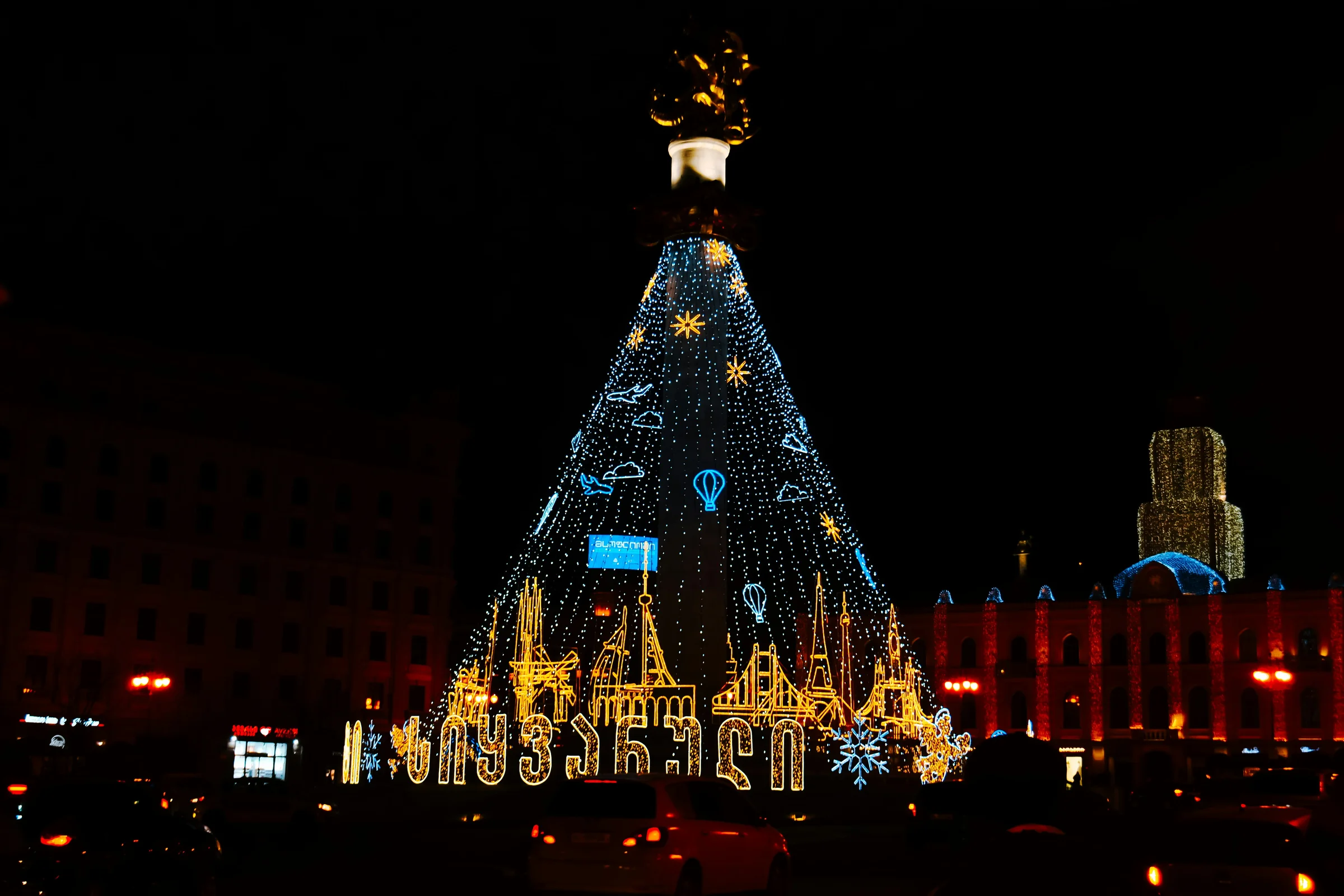
Georgia has 18 official public holidays — more than most European countries. Some of them will shut down the entire country for a week. Others you won't even notice. A few will get you invited to a stranger's table with zero warning. This guide covers every holiday, what actually happens on each one, and the practical stuff nobody tells you: what's closed, what to expect, and how to participate without accidentally offending anyone.
Key Difference from Western Countries
Georgian holidays are never moved to a Monday. If a holiday falls on Saturday or Sunday, you don't get a replacement day off. There's no "bank holiday Monday" concept. The dates are the dates, period. Easter is the only moveable holiday (depends on the Julian calendar).
The Holidays That Actually Matter
Let's be honest — not all 18 holidays hit the same. Some will completely shut down Tbilisi. Others are basically just a day off for government workers while everything else stays open. Here's how to rank them by actual impact on your life.
| Holiday | Date (2026) | Impact Level | What Closes |
|---|---|---|---|
| New Year's + Christmas | Jan 1–10 | 🔴 Everything | Country shuts down for a week+ |
| Easter | Apr 10–13 | 🔴 Major | Most businesses, all government |
| Independence Day | May 26 | 🟡 Moderate | Government, banks, some shops |
| Dormition (Mariamoba) | Aug 28 | 🟡 Moderate | Government, banks, some shops |
| Mtskhetoba | Oct 14 | 🟢 Low | Government offices only |
| St. George's Day | Nov 23 | 🟢 Low | Government offices only |
New Year's & Christmas (January 1–10): The Big Shutdown
This is the one that catches every expat off guard. Georgia doesn't just take New Year's Day off — it takes the entire first week (and sometimes more) of January off. The official holidays are January 1, 2, and 7, but the government typically declares January 3–6, 8, and 9 as additional non-working days. In practice, nothing happens until around January 10–12.
January 1 is Akhali Tseli (ახალი წელი) — New Year's — and it's the biggest celebration of the year. Bigger than Christmas. Bigger than Easter. Georgians pour enormous energy (and money) into the New Year's table. Expect fireworks that would violate every noise ordinance in northern Europe, a massive supra-style feast at midnight, and streets that are both empty (because everyone's at home) and chaotic (because those who aren't at home are very, very festive).
January 2 is Bedoba (ბედობა) — literally "Your Lucky Day." How you spend Bedoba supposedly determines how your entire year will go. Most people stay home with family and avoid conflict. It's a beautiful superstition that gives everyone an excuse to do nothing.

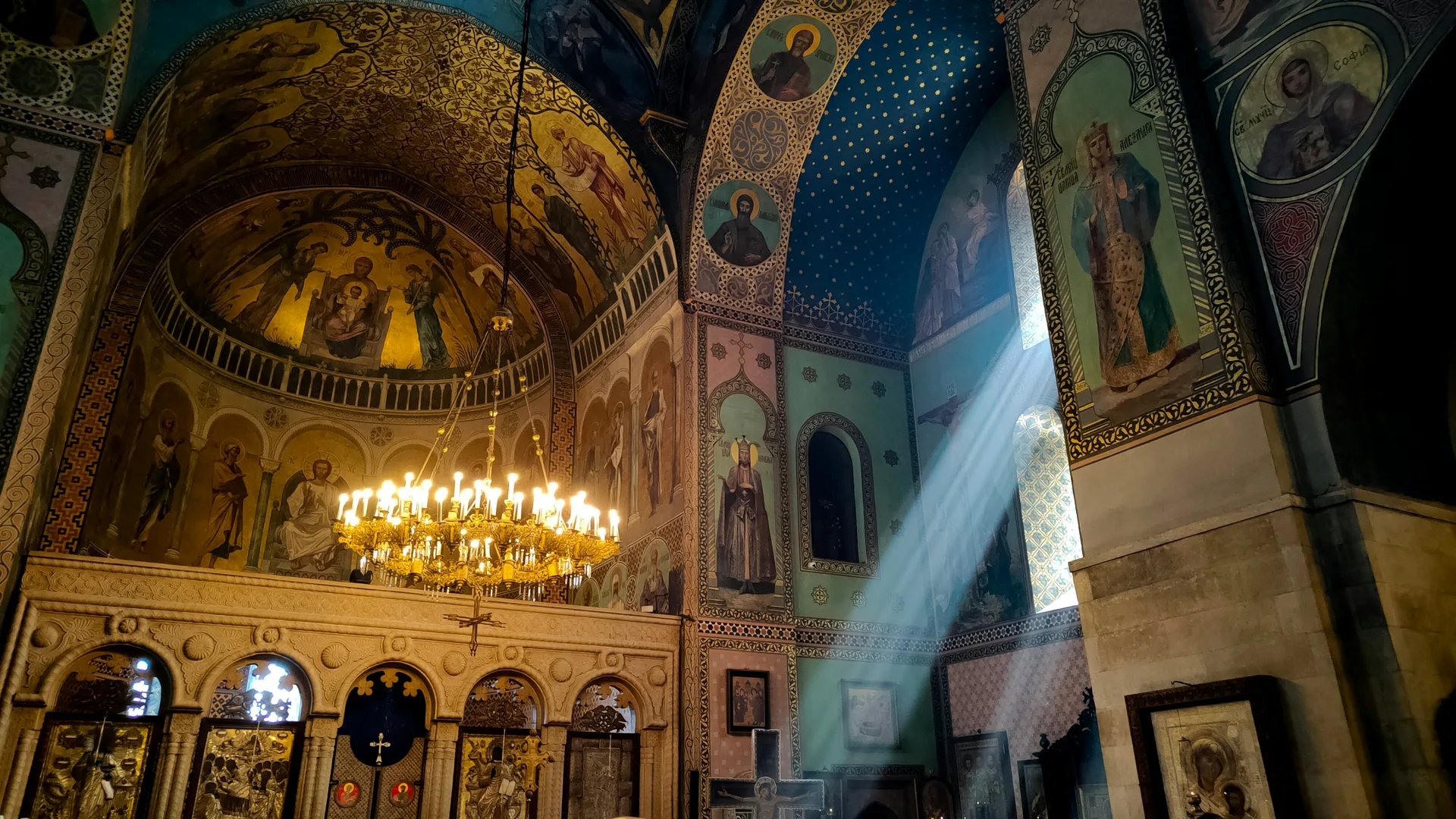
January 7 is Christmas (შობა, Shoba). Georgia follows the Julian calendar for religious holidays, so Christmas falls 13 days after December 25. The main event is midnight liturgy. Sameba Cathedral fills with thousands of worshippers, and Alilo — a Christmas procession with costumes and singing — parades through the streets. If you've been in Tbilisi on January 7, you've heard the church bells at midnight.
January 19 is Theophany (ნათლისღება, Natlisgheba) — what the West calls Epiphany. It's a day of mass baptisms. You might see priests blessing rivers and people dipping into freezing water. It officially closes the holiday season.
Practical Tip for January
Stock up on groceries by December 30. Supermarkets (Carrefour, Goodwill) stay open but have reduced hours. Banks are closed. Government services are completely unavailable. If you need any official paperwork done, finish it in December. Restaurants in tourist areas stay open, but many neighborhood spots close entirely. ATMs work fine.
Spring Holidays (March–May)
March 3 — Mother's Day (დედის დღე)
Georgian Mother's Day falls in March, not May. Established in 1991 by the first president, Zviad Gamsakhurdia. It's a quieter holiday — flowers for mom, family dinners, kids making cards. Shops stay open. You'll notice flower sellers having their best sales day of the month.
March 8 — International Women's Day (ქალთა საერთაშორისო დღე)
A holdover from the Soviet era, but Georgia has leaned into it. It's genuinely celebrated — not ironically. Men buy flowers and small gifts for every woman in their life: mother, wife, sister, colleague, secretary. Restaurants fill up. Flower prices triple. If you're a man working in a Georgian office, you're expected to acknowledge it. Government offices close.
April 9 — National Unity Day (ეროვნული ერთიანობის დღე)
A solemn day. On April 9, 1989, Soviet troops entered Tbilisi and killed peaceful protesters — an event that accelerated Georgia's independence movement. Two years later to the day, Georgia declared independence. Expect government ceremonies, media coverage, and a generally reflective mood. Government offices and banks close. Most shops stay open.
April 10–13 — Easter (აღდგომა, Aghdgoma)
The second-biggest holiday period after New Year's. Easter follows the Julian calendar, so it rarely aligns with Western Easter. In 2026, Good Friday falls on April 10 and Easter Monday on April 13 — a four-day weekend.
Easter here is deeply religious, not commercialized. No chocolate bunnies. The tradition involves dyeing eggs red (not pastel colors — red, symbolizing Christ's blood), baking paska (sweet Easter bread), and attending midnight liturgy on Saturday night. Churches are packed.
Easter Monday is Radonitsa — the day everyone visits family graves. Entire families go to cemeteries, clean gravesites, lay flowers, share food and wine at the graves. It's not morbid — it's communal and oddly warm. If you're invited to join a Georgian family on Easter Monday, say yes. It's one of the most culturally authentic experiences you can have.
Easter Egg Battles
The classic Easter game: two people tap their red eggs together. Whoever's egg doesn't crack wins and takes on the next challenger. Georgians take this surprisingly seriously. The trick is to hit with the pointy end. You'll get challenged — just go with it.
May 9 — Victory Day (ფაშიზმზე გამარჯვების დღე)
Victory over Fascism Day. Georgia lost roughly 400,000 people in World War II — staggering for a country its size. The holiday is genuine but complicated in the current political climate, given that the victory was under the Soviet umbrella. Government offices close. You'll see veterans (very few remain) honored in parks. Otherwise, life continues.
May 12 — Double Holiday
Two holidays on one day: St. Andrew the Apostle's Day (marking his arrival in Georgia) and the Day of the Mother of God and Georgia (celebrating the country's connection to the Virgin Mary). In practice, it's one day off. Government and banks close. Shops stay open.
May 17 — Family Values Day (ოჯახის სიწმინდის დღე)
A newer holiday, first celebrated in 2025. It was created as a "family sanctity" day and is explicitly tied to traditional values. The date is not accidental — May 17 is the International Day Against Homophobia, and this holiday was established partly in response. It's politically charged, and as an expat, you should be aware of the context. Government offices close.
May 26 — Independence Day (დამოუკიდებლობის დღე)
Marks Georgia's first independence in 1918 after the collapse of the Russian Empire. It's a patriotic celebration with military parades, new recruits taking their oaths, concerts on Rustaveli Avenue, and fireworks. The mood is proud and festive — think 4th of July but with more wine. Government, banks, and many businesses close.
Summer & Fall Holidays
August 28 — Dormition (მარიამობა, Mariamoba)
The Assumption of the Virgin Mary. An important religious holiday — many Georgians fast for two weeks leading up to it. Churches hold all-night vigils the evening before. Government and banks close. Many Georgians are on summer vacation already, so Tbilisi feels quieter than usual in late August anyway.
October 14 — Mtskhetoba (მცხეთობის)
The Feast of the Tunic of the Lord, centered on Svetitskhoveli Cathedral in Mtskheta. If you've been meaning to visit Mtskheta, this is a fascinating (and crowded) time to go. The Patriarch usually leads the service. Government offices close, but it has minimal impact on daily life in Tbilisi.
November 23 — St. George's Day (გიორგობა, Giorgoba)
Georgia's patron saint. The country is literally named after St. George (Sakartvelo — "Land of the Kartvelians" — has nothing to do with St. George, but the Western name "Georgia" likely does). Government offices close. Churches hold services. It's a quiet, end-of-autumn holiday. A good excuse for a feast.
Complete 2026 Holiday Calendar
| Date | Holiday | Georgian Name | Day of Week |
|---|---|---|---|
| Jan 1 | New Year's Day | ახალი წელი | Thursday |
| Jan 2 | Bedoba (Lucky Day) | ბედობა | Friday |
| Jan 7 | Christmas | შობა | Wednesday |
| Jan 19 | Theophany (Epiphany) | ნათლისღება | Monday |
| Mar 3 | Mother's Day | დედის დღე | Tuesday |
| Mar 8 | International Women's Day | ქალთა საერთაშორისო დღე | Sunday |
| Apr 9 | National Unity Day | ეროვნული ერთიანობის დღე | Thursday |
| Apr 10–13 | Easter (Good Friday to Easter Monday) | აღდგომა | Fri–Mon |
| May 9 | Victory Day | ფაშიზმზე გამარჯვების დღე | Saturday |
| May 12 | St. Andrew's Day + Mother of God Day | ანდრია პირველწოდებული | Tuesday |
| May 17 | Family Values Day | ოჯახის სიწმინდის დღე | Sunday |
| May 26 | Independence Day | დამოუკიდებლობის დღე | Tuesday |
| Aug 28 | Dormition (Mariamoba) | მარიამობა | Friday |
| Oct 14 | Mtskhetoba (Feast of the Tunic) | მცხეთობა | Wednesday |
| Nov 23 | St. George's Day (Giorgoba) | გიორგობა | Monday |
Unofficial Holidays & Festivals Worth Knowing
Beyond the official calendar, Georgia has a rich layer of celebrations that aren't public holidays but are culturally important — or just fun.
| Date | Event | What It Is |
|---|---|---|
| Feb 14 | Lamproba (Feast of Torches) | Ancient Svan festival with torch processions. Like Up Helly Aa in Shetland. |
| Mar 20 | Novruz (Spring Festival) | Celebrated by Georgia's Azeri population (~6%). Bonfires, special foods. |
| Apr 15 | Day of Love (სიყვარულის დღე) | Georgia's alternative to Valentine's Day. Both are celebrated. |
| Jun 1 | Ninooba | Arrival of St. Nino, who brought Christianity to Georgia in the 4th century. |
| Jul 16 | Gergetoba | Festival at Gergeti Trinity Church in Kazbegi — one of Georgia's most iconic spots. |
| October | Rtveli (Wine Harvest) | Not a fixed date. Families across Kakheti harvest grapes and make wine together. |
| Oct 28 | Tbilisoba | Tbilisi's birthday celebration. Street festivals, music, food stalls throughout Old Town. |
Rtveli — The One You Should Experience
If you can only participate in one Georgian tradition, make it Rtveli. The grape harvest in Kakheti (usually October) is a multi-day family affair: picking grapes, crushing them, feasting, drinking last year's wine. If you know a Georgian family with a vineyard — or can find a guesthouse in Kakheti that offers the experience — it's unforgettable. Tbilisoba (Tbilisi's city day, usually the last weekend of October) is the city's biggest public festival.
What Actually Closes (and What Doesn't)
This is what you actually need to know. The answer varies by holiday, but here's a reliable guide:
| Service | Major Holidays | Minor Holidays |
|---|---|---|
| Government offices | Closed | Closed |
| Banks | Closed | Closed |
| ATMs | Working | Working |
| Supermarkets (Carrefour, etc.) | Reduced hours | Normal |
| Small shops / bakeries | Many closed | Mostly open |
| Restaurants (tourist areas) | Open | Open |
| Restaurants (neighborhood) | Many closed | Open |
| Public transport | Reduced schedule | Normal |
| Bolt / taxis | Working (surge pricing) | Normal |
| Public Service Hall | Closed | Closed |
| Pharmacies | Some open (chains) | Open |
| Wolt / Glovo delivery | Working (limited) | Normal |
Understanding the Orthodox Calendar
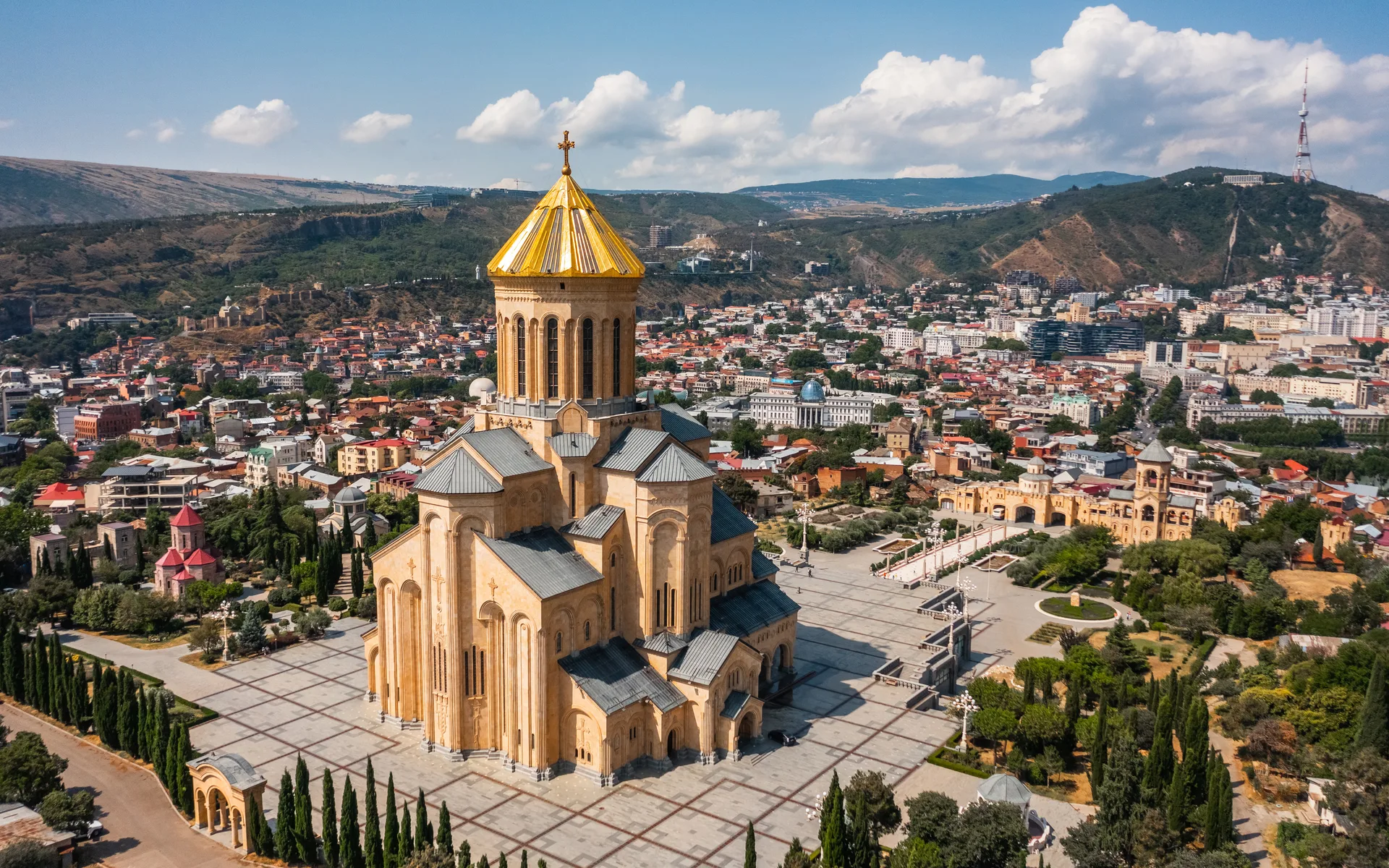
Half the confusion about Georgian holidays comes from the Julian calendar. Georgia uses it for all religious dates, which means:
Christmas
January 7, not December 25. If you're from a Western country, you get two Christmases. Silver lining.
Easter
Usually 1–5 weeks after Western Easter. Sometimes they align — in 2026, Orthodox Easter is April 12 (Western is April 5).
Fasting Periods
Georgians fast before Easter (Great Lent — 48 days) and Dormition (2 weeks in August). Restaurant menus adjust with "samarkhvo" (fasting) options.
Name Days
Many Georgians celebrate their saint's name day as much as their birthday. If your colleague is named Giorgi, November 23 is basically his second birthday.
The Expat Survival Guide to Georgian Holidays
After a few years here, you learn the patterns. Here's what experienced expats know:
🏢 Plan Official Business Around Them
Need a document from Public Service Hall? Don't leave it to the week before Easter or New Year's. Government offices sometimes close early the day before a holiday too.
🧳 Leave Town at New Year's
Many expats escape Tbilisi for the January dead zone. Batumi, Gudauri (skiing), or even a cheap flight to Istanbul. Just book early — everyone has the same idea.
🤝 Accept Every Invitation
If a Georgian neighbor, colleague, or friend invites you for a holiday celebration, go. Georgian holiday hospitality is on another level. You'll eat for hours and probably make lifelong friends.
🛒 Stock Up Before Long Weekends
Before New Year's and Easter, supermarkets get chaotic and shelves thin out. Buy essentials a few days early. Especially wine and chacha — they sell fast.
⛪ Dress Appropriately at Churches
If you visit a church during a holiday, women need head coverings and long skirts (usually available to borrow at the door). Men should cover their shoulders. It's enforced.
💼 Manage Client Expectations
If you work remotely for international clients, the January shutdown is your problem, not theirs. Plan deliverables around it. Georgian holidays don't appear on most international calendars.
Holiday Rules for Employment
If you're running a business or employed locally, here's what the law says:
| Rule | Details |
|---|---|
| Overtime pay | Working on a public holiday requires at least 1.5x regular pay (Labor Code) |
| Mandatory days off | All 18 public holidays are non-working days by default |
| No transfer | Unlike many countries, holidays falling on weekends are NOT moved to Monday |
| Annual leave | 24 working days paid + 15 unpaid. Holidays don't count against your leave. |
| Religious leave | Non-Orthodox employees can request time off for their own religious holidays |
For Business Owners
If you run a Georgian LLC with local employees, you must pay 1.5x for holiday work. There's no opt-out. Even if your contract says otherwise, the Labor Code overrides it. The Revenue Service (under the Ministry of Finance) handles disputes. For tax filing deadlines, holidays can push deadlines — check with your accountant.
Month-by-Month: What to Expect
| Month | Holidays | Vibe |
|---|---|---|
| January | 4 official (+ extra days off) | Ghost town until ~Jan 10. Cold, festive, everything closed. |
| February | None official | Quiet. Coldest month. Valentine's Day celebrated by younger crowd. |
| March | 2 (Mother's Day, Women's Day) | Flower shops booming. Spring starting. City waking up. |
| April | 5 (Unity Day + Easter) | Heavy holiday month. Easter dominates. Beautiful weather arriving. |
| May | 4 (Victory, Andrew, Family, Independence) | Peak holiday density. Great weather. Patriotic energy around May 26. |
| June–July | None official | No breaks. Hot. Everyone heading to Batumi or mountains. |
| August | 1 (Dormition) | Hottest month. Fasting period before Aug 28. Tbilisi quieter as people vacation. |
| September | None official | Best weather. Schools reopen. City fully alive. |
| October | 1 (Mtskhetoba) + Tbilisoba | Wine harvest in Kakheti. Tbilisoba festival. Best month to be here. |
| November | 1 (St. George's) | Autumn cooling. Quieter city. Last holiday before the New Year's build-up. |
| December | None official | New Year's prep. Christmas markets appearing. Rustaveli Avenue lights up. |
Common Mistakes Expats Make
Expecting December 25 Christmas
Georgia celebrates on January 7. December 25 is a normal working day. You'll have to create your own Christmas if you miss it. The upside: you get two holidays if you celebrate both.
Scheduling Work in January
Nothing gets done in the first 10 days of January. Nothing. Don't schedule meetings, don't expect responses, don't plan deadlines. The country is celebrating.
Ignoring Fasting Periods
Many Georgians fast before Easter and Dormition. If you're hosting or cooking for Georgian guests, ask first. "Samarkhvo" (fasting) menus at restaurants during Lent are a thing.
Not Knowing About Women's Day
If you work in a Georgian office and don't acknowledge March 8, you'll stand out — and not in a good way. A simple flower or verbal acknowledgment is expected from men to female colleagues.
Expecting Monday Transfers
Saturday holiday? Too bad. You don't get Monday off. Georgia doesn't transfer holidays. In 2026, Victory Day (May 9) and Family Values Day (May 17) both fall on weekends — no extra day off.
Treating Easter Like a Weekend
Easter is deeply religious here. Don't plan loud parties that weekend if you have Georgian neighbors. The Saturday night-to-Sunday transition is a major church event. Show respect.
Frequently Asked Questions
How many public holidays does Georgia have?
Georgia has 18 official public holidays. The heaviest months are January (4 holidays plus extra days off), April (Easter + National Unity Day), and May (4 holidays). June, July, September, and December have zero official holidays.
When is Christmas in Georgia?
January 7. The Georgian Orthodox Church uses the Julian calendar. December 25 is a regular working day. Many Western expats celebrate both — December 25 privately and January 7 with Georgian friends and neighbors.
Are holidays transferred to Monday if they fall on a weekend?
No. Georgia does not move holidays. If a public holiday falls on Saturday or Sunday, you simply don't get an extra day off. In 2026, Victory Day (May 9) and Family Values Day (May 17) both fall on weekends — no replacement day.
What happens during the January shutdown?
The country effectively pauses from January 1 to ~January 10. Banks, government offices, and many businesses close. Supermarkets stay open with reduced hours. ATMs and delivery apps work. Plan any official business for December or mid-January.
Do I get overtime pay for working on a holiday?
Yes — at least 1.5x your regular rate, per the Labor Code. This applies to all 18 public holidays. Your contract can offer more than 1.5x, but never less. Holidays don't count against your annual leave (24 paid + 15 unpaid days).
Written by The Georgia Expats Team
We've celebrated (and been confused by) Georgian holidays for years. From the glorious January shutdown to Easter egg battles, we've learned the hard way which holidays matter and which ones you can ignore. This guide is updated annually with current year dates.
Last updated: February 2026.
Related Articles
Georgian Culture & Etiquette
The unwritten rules and social norms every expat needs to know.
Daily Life in Tbilisi
What a typical day actually looks like for expats in Tbilisi.
Grocery Shopping in Georgia
Supermarkets, markets, and delivery apps for stocking up.
Social Life & Making Friends
How to build a social circle and meet people in Tbilisi.