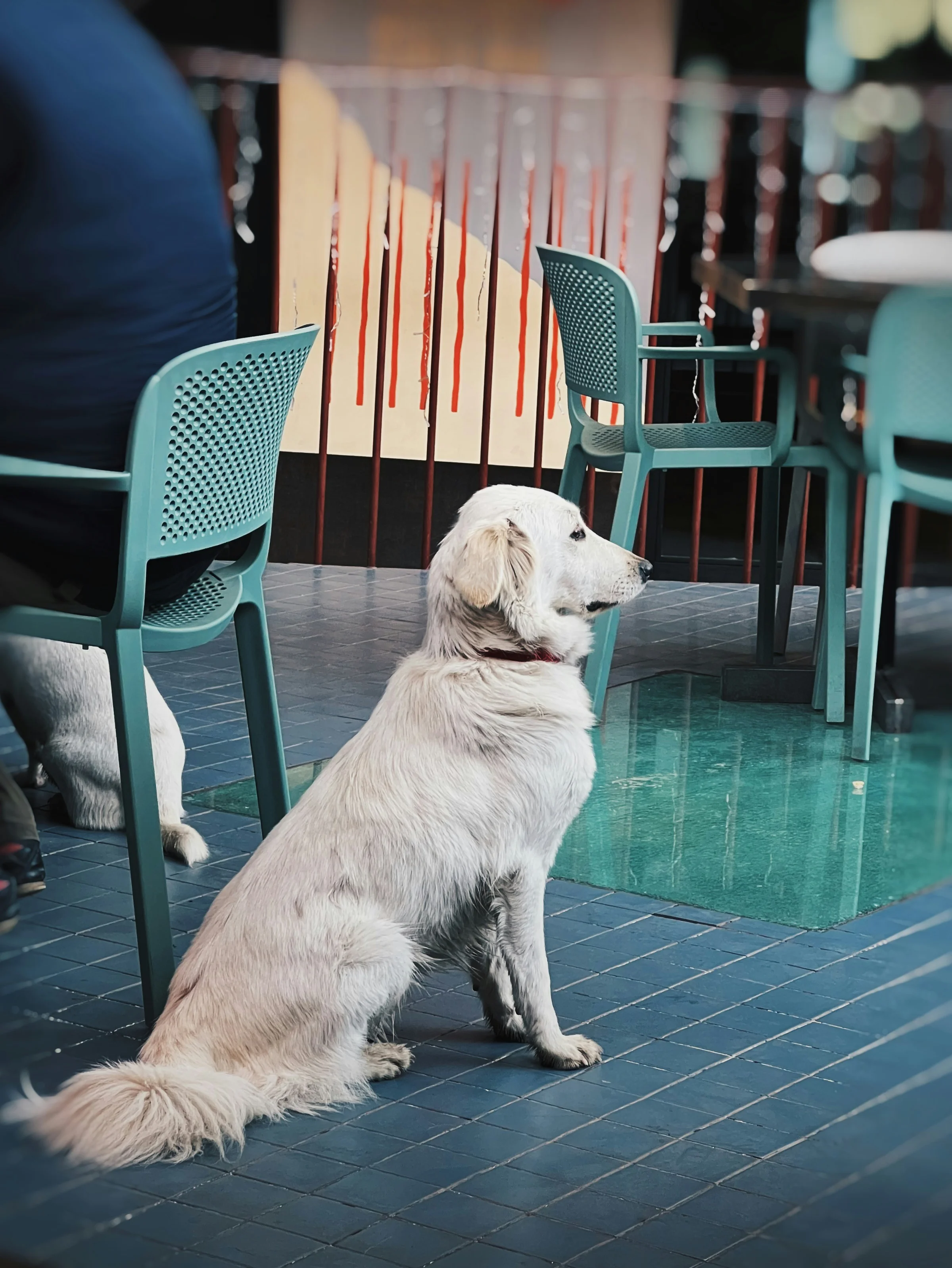
Georgia is one of the most pet-friendly countries you'll ever live in — and also one of the most confusing for pet owners coming from Western countries. The import requirements are straightforward on paper, the vet care is surprisingly good and cheap, and your dog can come to pretty much any restaurant in Tbilisi. But there are things nobody tells you until you're here: the stray dog situation, the lack of pet-friendly rental apartments, and the fact that "pet insurance" barely exists.
This guide covers everything — whether you're bringing a pet from abroad, adopting one locally, or just trying to figure out the logistics of pet ownership in a country where dogs roam the streets with ear tags and cats own the Old Town.
Key Takeaways
- • Import requirements: microchip + rabies vaccine + health certificate + rabies titer test
- • No quarantine if paperwork is in order
- • Vet visits: ₾15–50 ($6–19) for a consultation — genuinely affordable
- • Stray dogs: tagged, vaccinated, generally friendly — but keep your dog leashed in new areas
- • Finding pet-friendly housing: the hardest part of pet ownership in Georgia
- • Dog-friendly culture: cafés, restaurants, parks — dogs are welcome almost everywhere
Bringing Your Pet to Georgia
The good news: Georgia's pet import rules are simpler than most European countries. No EU pet passport needed. No six-month quarantine like the UK or Australia. If you have the right documents, your pet clears customs in minutes.
The bad news: different airlines have wildly different policies, and the rules about rabies titer tests confuse almost everyone. Here's exactly what you need.
Required Documents
| Document | Details | Timeline |
|---|---|---|
| ISO Microchip | 15-digit, ISO 11784/11785 compliant. Must be implanted before rabies vaccine. | Any time before travel |
| Rabies Vaccination | Must be given 21 days to 11 months before arrival. Not expired. | 21 days – 11 months before |
| Rabies Titer Test | Blood test showing ≥0.5 IU/ml antibodies. Done at approved lab, 30+ days after vaccination. | 30+ days after vaccine |
| Other Vaccinations | Dogs: distemper, hepatitis, leptospirosis, parvovirus, parainfluenza. Cats: rhinotracheitis, panleukopenia, feline leukemia. | Within 11 months |
| Parasite Treatment | Broad-spectrum anthelmintic against endo and ectoparasites. | Close to departure |
| Health Certificate | International veterinary certificate signed and stamped by your country's official vet authority. | Within 10 days of departure |
The Titer Test Catches People Off Guard
The rabies titer test can take 2–4 weeks to get results. You need to time this carefully: get the rabies vaccine, wait at least 30 days, do the blood draw, then wait for lab results. Start the process at least 2–3 months before your planned move. If you're coming from the US, USDA-accredited labs handle this. From the EU, use an EU-approved lab (the list is on the EU Commission website).
At the Border / Airport
When you arrive in Georgia, customs will check your pet's documents and microchip. If everything matches — microchip number on all docs, vaccines current, titer test valid — you're through in minutes. No import permit is required for personal pets (dogs, cats, ferrets).
If your paperwork is incomplete or expired, the outcomes aren't great: quarantine at your expense, return to origin country, or in the worst case, euthanasia. That last one is standard legal language — in practice, they'll quarantine or return — but don't test it. Get your documents right.
Flying with Your Pet
Cabin (Under 8 kg)
Turkish Airlines, Lufthansa, and Georgian Airways allow small pets in-cabin. Expect to pay $50–200 each way. Book early — most flights allow only 1–2 pets in cabin.
Cargo (Over 8 kg)
Larger dogs fly as checked baggage or cargo. IATA-approved crate required. Cost: $200–800+ depending on route and pet size. Temperature restrictions apply in summer and winter.
Pro Tip: Turkish Airlines via Istanbul
Most expats fly through Istanbul, and Turkish Airlines has one of the best pet policies. They allow cats and dogs in-cabin (combined weight of pet + carrier under 8 kg) and have well-organized cargo pet transport. Just make sure your layover isn't too long — more than 4 hours in Istanbul and your pet will be in the holding area. Direct flights are always better for animals.
Driving In (Turkey / Armenia Border)
If you're driving from Turkey or Armenia, the border crossing is simpler than flying — no airline restrictions, no cargo hassles. You'll show your documents at the veterinary checkpoint, they'll scan the microchip, and you're through. Coming via Turkey, the Sarpi border crossing (Black Sea coast) is the most common. From Armenia, it's Sadakhlo. Have your original documents ready — not just copies.
The Stray Dog Situation

This is the thing every new expat asks about, and the thing most guides handle poorly. So let's be honest about it.
Tbilisi has an estimated 40,000+ stray dogs. They're everywhere — sleeping on sidewalks, lounging outside shops, following joggers, hanging out in parks. Most of them have yellow ear tags, which means they've been caught, vaccinated, neutered, and released by the city's TVNR (Trap, Vaccinate, Neuter, Return) program, largely run by Mayhew Georgia.
The vast majority are gentle and well-socialized. Georgians feed them, pet them, and treat them as community dogs. It's genuinely one of the more compassionate approaches to stray management in the region. You'll see bakeries leaving bread out, restaurants scraping plates for neighborhood dogs, and grandmothers with dedicated feeding schedules.
But Here's the Honest Part
Some strays are territorial, especially at night. Dog packs can be aggressive toward other dogs. If you're walking your pet dog, you need to be aware of pack dynamics — a group of 3–5 strays may approach, and while they're usually just curious, it can escalate. Keep your dog leashed and walk confidently. Don't run.
Bites do happen, though they're not common. If you or your pet gets bitten, go to a hospital (for you) or vet clinic (for your pet) immediately. Georgia is not rabies-free, and while TVNR dogs are vaccinated, untagged strays may not be. Get post-exposure prophylaxis if there's any doubt.
What the Ear Tags Mean
Yellow ear tags = caught by Mayhew or city program, vaccinated (including rabies), neutered, and returned to their territory. These dogs are tracked and re-vaccinated periodically. No ear tag = unknown vaccination status. Treat with more caution, especially with your own pet.
Living with Strays as a Pet Owner
If you have a dog, you'll learn to navigate the stray situation quickly. Most expat dog owners say the first week is stressful and then you adapt. Practical tips:
- Walk during daylight when strays are calmer and more predictable
- Carry a stick or umbrella — you'll probably never use it, but it gives confident body language
- Know your route — you'll learn which streets have territorial packs
- Don't feed strays near your home unless you want them camping at your door (they will)
- Keep vaccinations current — your pet will encounter strays daily, and diseases can spread through nose-to-nose contact
Veterinary Care in Tbilisi
Vet care in Georgia is genuinely good and shockingly affordable. A basic consultation runs ₾15–50 ($6–19). Even surgeries, which might cost $2,000–5,000 in the US or Europe, are typically ₾200–800 ($75–300) here. The quality at the top clinics is comparable to Western standards — several Georgian vets have trained in Europe.
Recommended Clinics
Aibo Clinic
The top choice among expats. European-standard equipment, English-speaking staff, full range of services from routine checkups to surgery. Multiple locations in Tbilisi.
English-speakingVetex Clinic
Specialized services including exotic pets and birds. English-speaking staff. Popular with long-term expats for ongoing care.
Exotic pets tooBalto Clinic
24/7 emergency vet. Always has someone on call. If something happens at 3 AM, this is where you go. Limited English but emergencies transcend language.
24/7 emergencyVet House
Modern clinic near Vake. Good for dental work and imaging. Growing reputation among the expat community. Reasonable prices even by Georgian standards.
Dental & imagingCommon Vet Costs
| Service | Cost (GEL) | Cost (USD) |
|---|---|---|
| Consultation | ₾15–50 | $6–19 |
| Vaccination (per shot) | ₾20–40 | $8–15 |
| Spay / Neuter | ₾100–300 | $38–115 |
| Dental Cleaning | ₾80–200 | $30–75 |
| X-ray / Ultrasound | ₾30–80 | $12–30 |
| Emergency Surgery | ₾200–800 | $75–300 |
| Blood Test Panel | ₾40–100 | $15–38 |
One thing to note: Georgian vets tend to be more conservative with treatment recommendations than American vets. In the US, your vet might push for every diagnostic test available. Here, they'll do what's needed and not upsell. That's refreshing, but it means you should speak up if you want thorough testing.
Finding Pet-Friendly Housing
This is honestly the biggest challenge for pet owners in Tbilisi. Most landlords don't want pets — especially dogs — in their apartments. The rental market runs on trust and personal relationships, and many Georgian apartment owners view pets as guaranteed damage to their furniture and floors.
It's not hopeless, but expect it to take longer. Here's what works:
Tell Agents Upfront
Don't spring it on landlords during viewing. Tell your agent (or the listing contact) immediately that you have a pet. It filters out 60–70% of options, but saves everyone's time.
Offer a Higher Deposit
A standard deposit is 1 month's rent. Offering 1.5–2 months specifically for pet damage can persuade hesitant landlords. Frame it as insurance, not desperation.
Cats Are Easier
Most landlords who reject dogs will accept cats. If you have a cat, lead with that — it's rarely a dealbreaker.
Show Photos
Show the landlord your pet. A well-groomed medium-sized dog photos can overcome abstract fears. "No dogs" often means "no imaginary destructive beast."
Where to Search
The main listing platforms are SS.ge and MyHome.ge (both have English interfaces). Filter for "pets allowed" if the option exists, but also check listings that don't mention pets — many landlords are flexible if asked directly. Facebook groups like "Tbilisi Expats" and "Apartments in Tbilisi" often have pet-friendly listings too. For the best results, find a local real estate agent who understands expat needs — they'll know which landlords are pet-friendly.
Neighborhood Tips for Pet Owners
Some areas are better for pets than others:
- Vake — Vake Park is the closest thing Tbilisi has to a proper dog-walking area. Wide sidewalks, quieter streets, less traffic. Popular with expat dog owners.
- Vera — Quiet, charming streets with less stray dog activity than Old Town. Good for small dogs.
- Saburtalo — More open spaces, newer buildings (often with courtyards), and slightly easier to find pet-friendly apartments.
- Old Town / Sololaki — Beautiful but challenging for dogs. Narrow streets, lots of strays, heavy foot traffic. Better for cats.
- Dighomi / Gldani — Suburban feel, more space, but fewer amenities and further from vet clinics.
Adopting a Pet in Georgia

Georgia has no shortage of animals needing homes. Between the stray population and several active shelters, adopting is easy — and free at most organizations. Every shelter dog or cat will already be vaccinated and neutered.
Where to Adopt
| Organization | What They Offer | Cost |
|---|---|---|
| D.O.G. (Dog Organization Georgia) | Dogs — adoption, fostering, sponsoring. All dogs vaccinated and examined. | Free |
| Tamaz Elizbarashvili Shelter | Dogs — large shelter with website listings. Facebook page mostly in Georgian. | Free |
| GSPSA | Georgian Society for Protection & Safety of Animals. Adoption + animal welfare advocacy. | Free |
| Tbilisi Animal & Pet Rescue (Facebook) | 6,000+ member English-language group. Frequent rescue posts for dogs and cats. | Free / varies |
After adopting, you're legally required to microchip your pet (since January 2023). Most shelters handle this before adoption, but verify — and ask for the microchip registration paperwork.
Planning to Leave Georgia Eventually?
If you adopt in Georgia and later move to the EU, US, or UK, you'll need export paperwork — and it can take 3–4 months to complete (especially the rabies titer test timeline). Start the process well before your departure. Many expats have been caught off guard by this and had to delay moves.
Daily Life with a Pet
Dog-Friendly Places
Georgia is surprisingly accommodating for dogs. Most outdoor restaurant seating is dog-friendly by default — nobody will ask you to leave. Many indoor cafés are fine with it too, especially in Vake and Vera. Dogs ride in Bolt taxis without issue (most drivers don't care, though it helps to tip). Dogs are allowed in most parks, though there are no dedicated off-leash dog parks in Tbilisi.
| Place | Dog-Friendly? | Notes |
|---|---|---|
| Restaurants (outdoor) | Almost always | Your dog is welcome. Many staff will bring water. |
| Cafés (indoor) | Usually yes | Smaller dogs especially. Ask first at fancier places. |
| Bolt / Taxis | Usually yes | Most drivers accept dogs. Use a carrier for small pets. Tip generously. |
| Parks | Yes | No off-leash parks. Vake Park is the most popular for dog walks. |
| Public Transport (Metro, Bus) | Small pets only | In a carrier. Large dogs are not allowed on the metro. |
| Shopping Malls | Generally no | East Point, Galleria, etc. typically don't allow pets. |
Pet Food & Supplies
You can find decent pet food in Tbilisi, though the selection is smaller than what you're used to. Here's the landscape:
- Supermarkets (Carrefour, Goodwill, Nikora) — Basic dry and wet food. Royal Canin, Purina, Pedigree are commonly stocked.
- Pet stores — Every neighborhood has at least one. Better selection of premium brands (Acana, Orijen, Hill's). Also stock toys, beds, grooming supplies.
- Online ordering — Wolt delivers from pet stores. Zoopet.ge is a dedicated online pet store with good selection and delivery.
- Premium / raw food — Harder to find. Some specialty stores carry raw-frozen options, but this isn't a market with robust raw feeding infrastructure yet.
Pet Grooming
Grooming services are available and affordable. Expect to pay ₾30–80 ($12–30) for a full grooming session depending on your dog's size and coat. Most groomers work by appointment — ask your vet for recommendations or check expat Facebook groups.
Boarding & Pet Sitting
When you need to travel without your pet, you have options:
Sit Happens
Expat-run. Dog walking, boarding, and training. Consistently excellent reviews from the expat community. Book early — they fill up fast during holidays.
Milo Pet Hotel
Daycare (₾30/day), boarding, grooming, and even a pet taxi service. Professional facility. Good for both short stays and longer trips.
The Facebook Group Method
The Expats with Pets in Georgia Facebook group (search for it — roughly 1,000 members) is the single best resource for pet owners. Need a vet recommendation? A pet sitter? Advice on importing a specific breed? This is where expats share real experiences. Join it before you arrive.
Pet Insurance
Pet insurance in Georgia is in its infancy. Only one major insurer — Irao — offers a dedicated pet insurance product. Coverage is basic compared to Western standards, but given how cheap vet care is here, most expats skip insurance entirely and pay out of pocket.
| Factor | Details |
|---|---|
| Provider | Irao Insurance (only major option) |
| Annual Cost | ~₾100–300/year ($38–115) depending on animal and coverage |
| Coverage | Accidents, illness, some surgical procedures |
| Is It Worth It? | Probably not — vet costs are so low that out-of-pocket is usually cheaper than premiums over time |
Leaving Georgia with Your Pet
This is where people get tripped up. Getting a pet into Georgia is easy. Getting one out — especially to the EU or UK — can be a multi-month process. The receiving country's import rules apply, and they're often stricter than Georgia's export requirements.
Export to the EU
| Step | Requirement | Timeline |
|---|---|---|
| 1 | ISO microchip (must be implanted before rabies vaccine) | Any time |
| 2 | Rabies vaccination (after microchip) | Day 0 |
| 3 | Rabies titer test (≥0.5 IU/ml, EU-approved lab) | Day 30+ |
| 4 | Wait 3 months after titer test blood draw | Day 120+ |
| 5 | Tapeworm treatment (dogs only, 24–120 hours before entry) | 1–5 days before |
| 6 | Export health certificate from Georgian NFA | Within 10 days of travel |
Start 4 Months Before Your Move
The 3-month waiting period after the titer test is the killer. You cannot skip or rush this — it's EU law. If your pet already has a valid titer test from before you came to Georgia, it may still be valid. Check with your destination country's veterinary authority. For the US, requirements are less strict — CDC mainly cares about a valid rabies certificate and health certificate.
Monthly Cost of Pet Ownership
Dog (Medium-Sized) — Monthly Budget
Approximately $50–95 USD/month
Cat — Monthly Budget
Approximately $28–55 USD/month
Frequently Asked Questions
Are there breed restrictions in Georgia?
No breed-specific legislation exists in Georgia. Pit bulls, Rottweilers, and other commonly restricted breeds are legal. However, some airlines may refuse to transport brachycephalic (flat-faced) breeds like bulldogs or pugs in cargo due to breathing risks.
Do I need to register my pet in Georgia?
Since January 2023, all cats and dogs must be microchipped. There's no centralized pet registration system beyond the microchip, but your vet can register the chip in their database. Keep your microchip documentation safe.
Is tick-borne disease a problem?
Yes. Ticks are active from spring through autumn, especially if you hike or visit rural areas. Tick-borne diseases like ehrlichiosis and babesiosis are present. Use preventive treatments (Bravecto, NexGard, Frontline) and check your pet after walks. Available at any pet store or vet clinic.
Can I take my dog hiking in the mountains?
Absolutely — Georgia's mountains are incredible for dogs. But be aware of shepherd dogs (Nagazi / Caucasian shepherds) protecting livestock. They can be aggressive toward unfamiliar dogs. Keep your dog leashed near herds, and give shepherd dogs wide berth. Carry water — many mountain trails have no reliable water sources.
What about exotic pets (birds, reptiles, rabbits)?
Import rules for exotic pets are different and often require CITES documentation. Birds may need additional health testing. The regulations are less clear-cut than for cats and dogs — contact Georgia's National Food Agency (NFA) directly for current requirements. Vetex Clinic in Tbilisi treats exotic animals.
Written by The Georgia Expats Team
We've navigated Georgian vet clinics, imported pets through Tbilisi airport, dealt with stray dog encounters, and know which landlords actually accept pets. This guide comes from years of pet ownership in Georgia.
Last updated: February 2026.
Related Articles
Renting an Apartment in Tbilisi
Finding a place, negotiating rent, and understanding Georgian leases.
Best Neighborhoods in Tbilisi for Expats
Where to live — with pros, cons, and rent prices for each area.
Healthcare in Georgia
Hospitals, insurance, and the mandatory insurance rules for 2026.
Daily Life in Tbilisi
SIM cards, groceries, transport, apps — the day-to-day essentials.