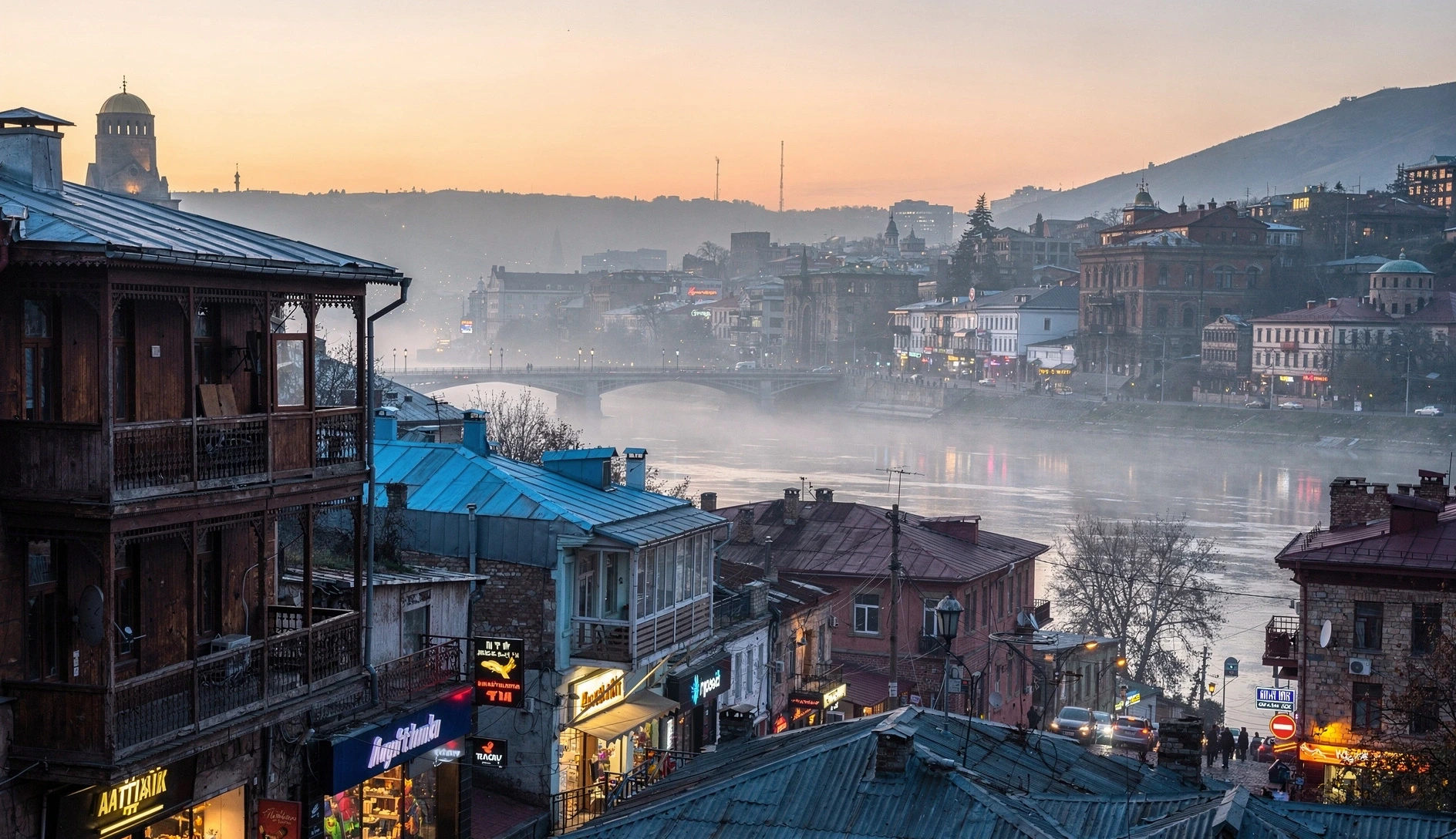
Every expat moving to Tbilisi has the same three questions: Is the tap water safe? Why is the air so bad in winter? And should I be worried about the stray dogs? These aren't trivial concerns — they affect your daily health, your apartment choices, and whether you need to budget for an air purifier or a water filter.
Most information online is either a confident "everything's fine!" from locals or panicky Reddit threads from tourists. The truth, as usual, is somewhere in between. Tbilisi's tap water is genuinely excellent — better than many European capitals. The winter air quality is genuinely bad — worse than most expats expect. And the stray dogs are genuinely everywhere — but they're mostly harmless.
This guide covers what actually matters: the environmental health factors that affect your daily life, backed by data and five years of living here. No sugarcoating, no scaremongering.
Tap Water: The Good News
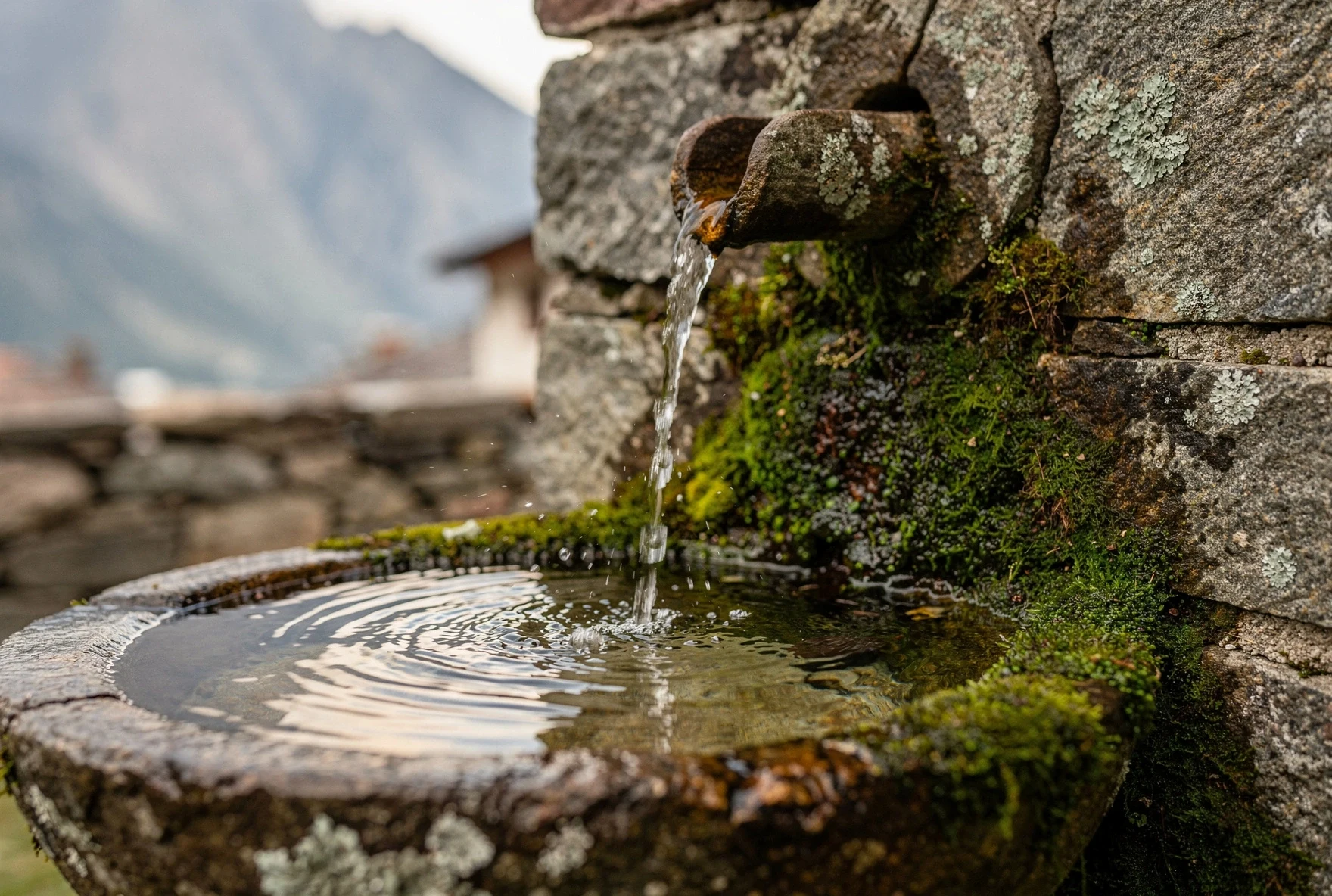
Here's the short answer: Tbilisi tap water is safe to drink. The city's water comes from the Aragvi and Iori rivers and the Tbilisi Sea reservoir, treated at modern facilities and meeting WHO standards. Georgian Water and Power (GWP), the utility that serves Tbilisi, publishes regular quality reports confirming compliance with international guidelines.
This isn't marketing spin. Tbilisi's water infrastructure was substantially upgraded with European Bank for Reconstruction and Development (EBRD) funding over the past 15 years. The treatment plant uses modern chlorination and filtration. The water at the treatment plant is genuinely clean.
The Pipe Problem
The caveat — and it's a real one — is what happens between the treatment plant and your tap. Tbilisi has a mix of modern and Soviet-era piping. In newer buildings (post-2005 or so), the internal plumbing is fine. In older buildings, particularly those built in the 1960s–1980s, the internal pipes may be corroded steel or even lead-soldered copper.
What this means practically: the water entering your building is clean. The water coming out of your specific tap might have picked up sediment, rust, or trace metals from old internal pipes. This is the same issue you'd face in old buildings in Paris, London, or New York — it's not unique to Georgia.
The Simple Fix
A basic activated carbon filter (Brita pitcher or under-sink filter) handles any residual taste or sediment from old pipes. Cost: 30–60 GEL for a pitcher, 150–300 GEL for an under-sink system. Not strictly necessary in most apartments, but it's cheap insurance and improves taste. If you're in a building built after 2000, you almost certainly don't need one.
Water Quality by Area
| Area | Water Quality | Notes |
|---|---|---|
| Tbilisi (central) | Excellent | GWP-supplied, WHO compliant, continuous supply |
| Tbilisi (outskirts) | Good | Same supply, older infrastructure in some areas |
| Batumi | Good | Different utility, generally safe, can be cloudy after storms |
| Kutaisi | Variable | Infrastructure improvements ongoing, filter recommended |
| Rural areas | Use caution | Local wells or springs — quality varies widely, filter or boil |
| Mountain villages | Often excellent | Direct spring water, naturally clean but not treated |
Bottled Water
Georgia has excellent mineral water. Borjomi (the famous one) is volcanic mineral water from Borjomi-Kharagauli — it's naturally carbonated and has a distinctive mineral taste that people either love or hate. Likani and Nabeghlavi are milder alternatives. A 1.5L bottle costs 1.50–2.50 GEL (about $0.55–0.90) at any store.
Many expats drink tap water daily but keep a bottle of Borjomi in the fridge for guests or when they want something with more character. There's no health reason to avoid tap water in Tbilisi — it's a preference and building-age question.
Air Quality: The Bad News
If tap water is Tbilisi's pleasant surprise, air quality is its unpleasant one. Winter air pollution in Tbilisi is a real problem, and most expat guides either ignore it entirely or mention it as an afterthought. It shouldn't be an afterthought.
Why Winter Air Gets Bad
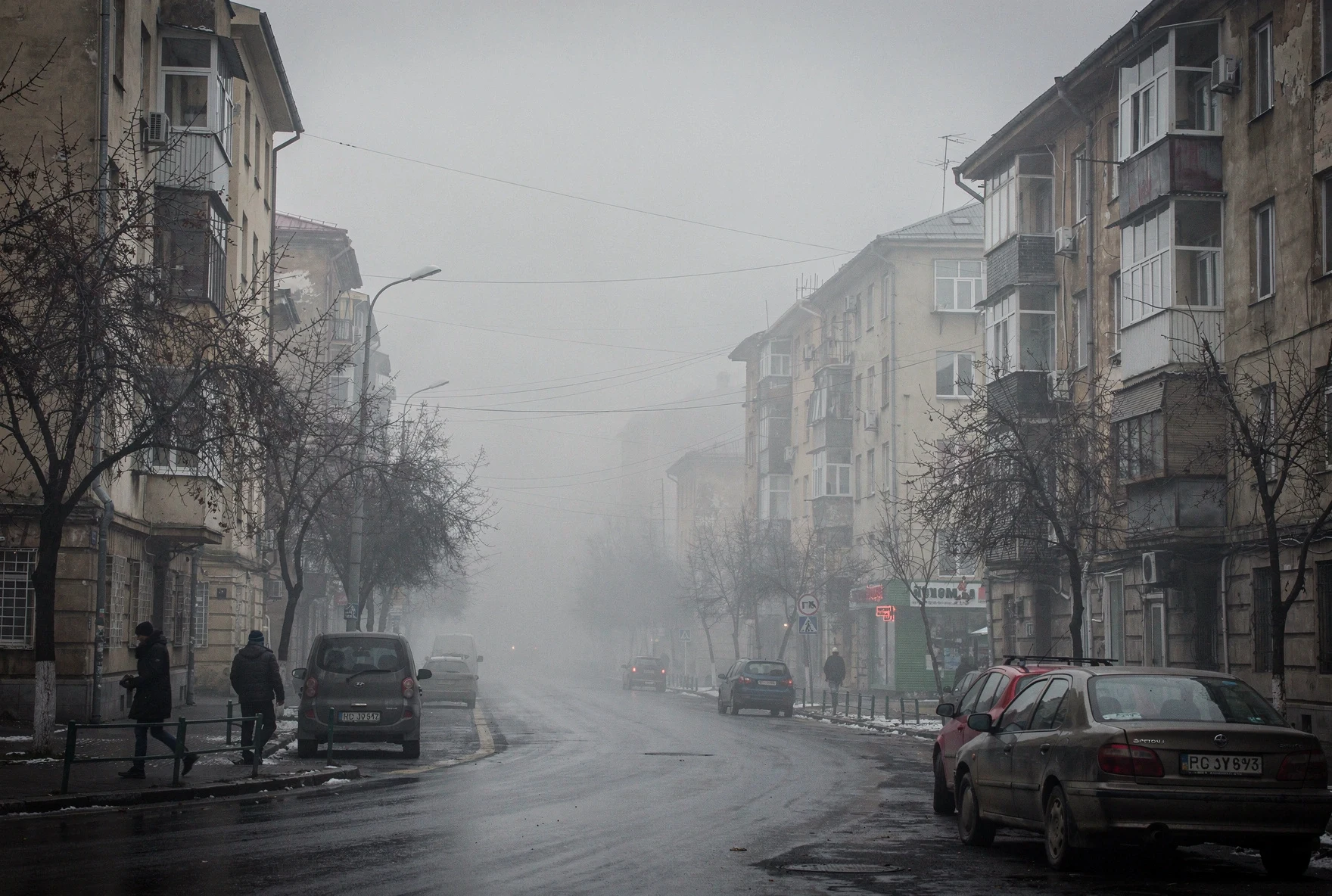
Tbilisi sits in a river valley surrounded by hills on three sides. In winter, cold air gets trapped in the valley by warmer air above — a phenomenon called temperature inversion. Pollution from cars, heating systems, and construction has nowhere to go. It just sits there.
The main pollution sources:
- Vehicle emissions: Georgia has one of Europe's oldest car fleets. Many vehicles burn diesel with minimal emission controls. There's no annual emissions testing (MOT/TÜV equivalent for exhaust).
- Heating: Natural gas heating is dominant, but some areas still use wood or coal, especially in older neighborhoods and the outskirts.
- Construction dust: Tbilisi has been in a construction boom for years. Dust from building sites contributes to particulate matter, especially PM10.
- Geography: The valley traps everything. On calm, windless winter days, there's simply nowhere for the pollution to disperse.
The Numbers
| Season | Typical AQI (US scale) | PM2.5 (µg/m³) | Rating |
|---|---|---|---|
| Summer (Jun–Aug) | 25–50 | 8–15 | Good |
| Spring/Autumn | 40–70 | 12–25 | Moderate |
| Winter (Dec–Feb) | 60–120 | 20–50 | Moderate to Unhealthy for Sensitive Groups |
| Bad winter days | 120–180+ | 50–100+ | Unhealthy |
For context: the WHO guideline for annual average PM2.5 is 5 µg/m³. Tbilisi's annual average is around 18–22 µg/m³ — roughly 4x the WHO target. That puts it in the same category as cities like Istanbul, Rome, or Athens. Not catastrophic, but not great either, especially for people with respiratory conditions.
If You Have Asthma or Respiratory Issues
Take winter air quality seriously. Bad days can trigger flare-ups. Consider an air purifier with HEPA filter for your apartment (8,000–15,000 GEL range for a good Xiaomi or Philips unit), avoid exercising outdoors on high-AQI days, and check IQAir or AQICN before your morning run.
What You Can Do About It
🏠 At Home
A HEPA air purifier makes a meaningful difference indoors. Xiaomi Air Purifier 4 Pro is available locally for ~500–800 GEL. Keep windows closed on bad AQI days. Use the recirculation mode on your AC if you have one.
🏃 Exercising
Check AQI before outdoor exercise. On bad days (AQI > 100), move your workout indoors. Mtatsminda and Turtle Lake are higher elevation and often have cleaner air than the city center streets. Early morning is usually better than afternoon.
🏘️ Choose Your Neighborhood
Higher neighborhoods (Vake, Vera, Mtatsminda) tend to have better air quality than the valley floor (Didube, Station Square, Isani). Being on a hill above the inversion layer makes a real difference in winter.
📱 Monitor It
Install the IQAir app and set alerts for your area. Tbilisi has several monitoring stations. This lets you plan outdoor activities around air quality rather than being caught off guard.
Mold: The Hidden Apartment Problem
If apartment quality is one of your main concerns, read our dedicated guide to mold, damp, and bad heating in Tbilisi apartments. This section covers the health angle. That guide covers the apartment-hunting and inspection angle in much more detail.
Mold is probably the most underrated health issue for expats in Tbilisi, and it's directly related to how buildings are constructed and heated here. You won't see it mentioned in relocation guides, but ask any expat who's spent a winter in an older apartment and they'll have a mold story.
Why It's So Common
The combination is brutal: cold, damp winters + poor building insulation + gas heater heating (which produces moisture as a byproduct) + minimal ventilation. Soviet-era buildings weren't designed with vapor barriers or proper insulation. When warm, moist indoor air hits cold exterior walls, condensation forms. Mold follows.
The worst spots: bathroom ceilings, behind furniture against exterior walls, window frames, closets on exterior walls, and corners where two exterior walls meet.
Check Before You Rent
When apartment hunting, look for mold signs: dark spots in corners and around windows, a musty smell (especially in bathrooms and closets), peeling paint on ceilings, and water stains. Pull furniture away from walls if you can. If possible, visit the apartment in winter when mold is most visible. Fresh paint over mold is a common landlord trick — it comes back within weeks.
Prevention and Treatment
| Strategy | How | Cost |
|---|---|---|
| Ventilation | Open windows for 10–15 min daily, even in winter. Use bathroom exhaust fan. | Free |
| Dehumidifier | Run in bathroom and bedroom. Keeps humidity below 60%. | 200–600 GEL to buy |
| Gap from walls | Keep furniture 5–10 cm from exterior walls for airflow. | Free |
| Anti-mold paint | Apply to problem areas after cleaning. Available at Gorgia or similar. | 30–80 GEL |
| Cleaning existing mold | White vinegar or bleach solution (1:10). Scrub, dry, ventilate. | 5–15 GEL |
| Choose newer buildings | Post-2010 construction with proper insulation and central heating. | Higher rent |
The best long-term solution is choosing an apartment with central heating (not individual gas heaters), double-glazed windows, and post-2005 construction. This eliminates most mold issues. The rent premium (maybe 200–400 GEL/month more) pays for itself in not having to fight mold all winter and not breathing spores while you sleep.
Stray Dogs: The Full Picture
Tbilisi has an estimated 60,000 stray dogs. They're everywhere — sleeping on sidewalks, lounging in parks, following you home from the bakery. If you've never lived in a city with a large stray population, it can be unsettling at first. Here's what you actually need to know.
The Government Program
Georgia's Animal Monitoring Agency runs a Trap-Neuter-Vaccinate-Release (TNVR) program. Stray dogs are caught, neutered, vaccinated against rabies, fitted with an ear tag or microchip, and released back to their area. Look for the yellow or green ear tags — that means the dog has been through the program.
The program is genuine and fairly effective in central Tbilisi. Most strays you encounter in Vake, Vera, Saburtalo, or the Old Town have been vaccinated. Coverage is patchier on the outskirts and in other cities.
The Reality
Most Tbilisi strays are docile, well-fed by locals, and ignore humans. Georgians have a cultural tolerance — even fondness — for stray dogs that surprises Westerners. Neighborhood "community dogs" are often named and cared for by multiple families.
The Risks
Dog bites happen, though rarely unprovoked. Packs can be territorial at night, especially near construction sites or on the outskirts. Rabies exists in Georgia — 5 confirmed cases in 2025, mostly in rural areas. Don't pet unknown strays, especially untagged ones.
If You Get Bitten
Go to the Center for Immunization and Prevention (10a Tashkenti Street, Tbilisi) immediately — they operate 24/7. Post-exposure rabies prophylaxis (PEP) is available and should be started as soon as possible after any bite from an unknown animal. The vaccination course is free at state facilities. Don't wait to see if symptoms appear — by the time rabies symptoms show, it's fatal. Clean the wound thoroughly with soap and water as first aid.
Living With Strays: Practical Tips
- Don't run past a pack of sleeping dogs — walk calmly and give them space
- Avoid approaching dogs that are eating or with puppies
- Night walks in less-populated areas can involve more assertive stray behavior — carry a flashlight
- If a dog approaches aggressively: stand still, don't make eye contact, don't run. Pick up a stone (or pretend to) — most Georgian strays know this gesture and will back off
- Consider pre-exposure rabies vaccination if you plan to hike in rural areas or spend time around animals — it simplifies treatment if bitten
- If you have a pet dog, keep it leashed around strays to avoid fights
Food Safety
Georgian food safety standards are... improving. The National Food Agency (NFA) exists and conducts inspections, but enforcement is inconsistent. That said, foodborne illness is surprisingly uncommon for most expats. The food is cooked fresh, restaurants are busy (high turnover), and the local produce is excellent.
| Food Source | Risk Level | Tips |
|---|---|---|
| Restaurants (central) | Low | High turnover, food cooked to order. Generally safe. |
| Street food | Low–Moderate | Khachapuri and kebab stands are fine. Avoid anything sitting in the sun. |
| Bazaar/market meat | Moderate | Open-air meat counters, limited refrigeration. Cook thoroughly. |
| Dairy products | Low–Moderate | Supermarket dairy is fine. Market cheese/matsoni from unknown sources — use judgment. |
| Supermarkets | Low | Check expiry dates — some stores aren't vigilant about rotation. |
| Sushi restaurants | Variable | Georgia is far from the ocean. Stick to reputable places if you must. |
The Stomach Adjustment Period
Many expats experience a few weeks of digestive adjustment when they first arrive. This is usually about adapting to new bacteria in food and water (normal microbiome shift), not about unsafe food. Georgian cuisine is also heavier on dairy, walnuts, and animal fats than most Western diets. Your gut catches up — give it 2–3 weeks.
Earthquake Risk
Georgia sits in a seismically active zone — the Caucasus is where the Arabian and Eurasian tectonic plates collide. Earthquakes happen. Tbilisi itself has relatively low seismicity compared to other parts of the Caucasus, but it's not zero risk.
The last significant earthquake to hit Tbilisi was a magnitude 4.8 in 2002, which caused some damage to older buildings but no fatalities. More powerful earthquakes hit other parts of Georgia periodically — the 1991 Racha earthquake (M7.0) killed 270 people, though it was 200+ km from Tbilisi.
The Building Concern
Many of Tbilisi's Soviet-era apartment blocks were built without modern seismic codes. Some have had unauthorized extensions (the infamous "extra floors" added on top). In a major earthquake, these structures would be vulnerable. Newer buildings (post-2009) follow updated seismic standards.
What You Can Do
Choose newer construction when possible. Keep an emergency bag with water, documents, flashlight, and phone charger. Know the nearest open space (park, square). Don't live under added floors on older buildings. Georgia has no national earthquake early warning system — by the time you feel it, it's happening.
Noise Pollution
This might sound trivial compared to earthquakes and air quality, but noise is the environmental factor that most affects daily quality of life for expats in Tbilisi. The city is loud.
- Traffic: Constant honking, unmuffled engines, and heavy diesel vehicles. Main roads like Rustaveli, Chavchavadze, and Aghmashenebeli are loud from 8am to midnight.
- Construction: Drilling, hammering, and angle grinding start at 9am (sometimes earlier). If there's construction near your apartment, expect 6+ months of noise.
- Dogs: Stray dogs bark. At night. In packs. This is year-round and can be genuinely disruptive to sleep.
- Neighbors: Georgian apartments often have poor sound insulation. You'll hear your neighbors' TV, music, conversations, and renovations.
- Late-night socializing: Georgians eat late (9–11pm dinners are normal) and socialize loudly. Summer balcony parties can go past midnight.
Sleep Solutions
Invest in quality earplugs or a white noise machine. When apartment hunting, visit at night to assess noise levels. Upper floors and courtyard-facing rooms are quieter than street-facing ones. Side streets one block from main roads can be dramatically quieter. Double-glazed windows make a real difference — check for them when renting.
UV Exposure & Allergies
Tbilisi's latitude (41.7°N, similar to Rome or Barcelona) means strong UV in summer. From May to September, the sun is intense, and Tbilisi's relatively high altitude (380–770m) adds to UV intensity. Sunscreen isn't just a beach thing here — you need it walking around the city in summer.
Allergy Season
Spring allergies hit hard in Tbilisi. The city has abundant plane trees, poplars, and various flowering plants that dump pollen from March through June. The peak is usually April–May. If you're prone to hay fever, stock up on antihistamines (available OTC at any pharmacy, very cheap) before March.
Poplar fluff ("cotton") floats through the air in May–June like urban snow. It's not technically an allergen for most people, but it irritates eyes and sinuses and makes outdoor dining annoying. It looks beautiful. It feels terrible.
Heating Safety
This is a genuinely important safety topic that gets overlooked. Many Georgian apartments use individual gas heaters (gamazura) rather than central heating. These are generally safe when properly maintained, but carbon monoxide (CO) poisoning from poorly ventilated or malfunctioning gas heaters kills people in Georgia every winter.
| Heating Type | CO Risk | Action |
|---|---|---|
| Central heating (radiators) | None | Boiler is outside/in basement. No in-apartment risk. |
| Individual gas boiler (gamazura) | Low–Moderate | Must be vented to outside. Install CO detector. Check flue annually. |
| Gas space heater (open flame) | High | Never sleep with these running. Ensure ventilation. Avoid if possible. |
| Electric heater | None | No combustion, no CO. Expensive to run but safest. |
Buy a Carbon Monoxide Detector
If your apartment has any gas-burning heating, buy a CO detector immediately. They cost 50–100 GEL at hardware stores or order online. Georgian apartments almost never come with one. This is a non-negotiable safety item — CO is odorless and kills without warning. Place it near your bedroom and near the gas appliance.
Your Environmental Health Checklist
Essential Purchases (First Month)
CO detector + water filter + earplugs. Air purifier and dehumidifier only if needed.
Frequently Asked Questions
Is Tbilisi tap water safe to drink?
Yes. Tbilisi's water supply meets WHO standards and is regularly tested by Georgian Water and Power. The only concern is old internal pipes in Soviet-era buildings, which can be addressed with a simple filter. In newer buildings (post-2000), tap water is excellent.
How bad is winter air pollution in Tbilisi?
It's a real issue. Winter AQI regularly reaches 80–120 (Moderate to Unhealthy for Sensitive Groups), with bad days hitting 150+. This is comparable to Istanbul or Athens. If you have respiratory conditions, invest in an air purifier and monitor AQI daily. Summer air quality is generally good (AQI 25–50).
Should I worry about stray dogs?
Most Tbilisi strays are docile and vaccinated through the TNVR program. Unprovoked attacks are rare but not unheard of. Don't pet unknown dogs, don't run past sleeping packs, and know where to go if bitten (Center for Immunization, 10a Tashkenti St — open 24/7). Consider pre-exposure rabies vaccination if you plan rural hiking.
Is mold in apartments a real problem?
Very much so, especially in Soviet-era buildings with poor insulation. The combination of damp winters, gas heating (which produces moisture), and minimal ventilation creates ideal mold conditions. Choose newer construction, use a dehumidifier, ventilate daily, and inspect carefully before signing a lease.
Is there earthquake risk in Tbilisi?
Georgia is seismically active, but Tbilisi has relatively low seismicity. Small tremors are felt occasionally. The main concern is older buildings that weren't built to modern seismic codes. Choose post-2009 construction for better seismic standards. There's no early warning system.
Do I need travel insurance that covers rabies treatment?
Rabies post-exposure prophylaxis (PEP) is available free at Georgian state facilities. However, having insurance that covers medical evacuation is wise for any serious health event. If you're planning extensive rural travel or hiking, pre-exposure vaccination (3 shots over 3-4 weeks) simplifies treatment if bitten — it means you need 2 follow-up shots instead of the full 5-shot series plus immunoglobulin.
Written by The Georgia Expats Team
We've survived Tbilisi winters with mold, adapted to the stray dogs, and learned to check the AQI before our morning run. This guide comes from years of lived experience navigating the environmental quirks of life in Georgia.
Last updated: March 2026.
Related Articles
Renting an Apartment in Tbilisi
How to find a place, what to check, and common traps to avoid.
Healthcare in Georgia for Expats
Hospitals, clinics, insurance, and how the system works.
Setting Up Your Home in Tbilisi
Furniture, appliances, internet, and making your apartment livable.
Is Tbilisi Safe? Crime, Scams & Street Smarts
The honest truth about safety and what to watch out for.