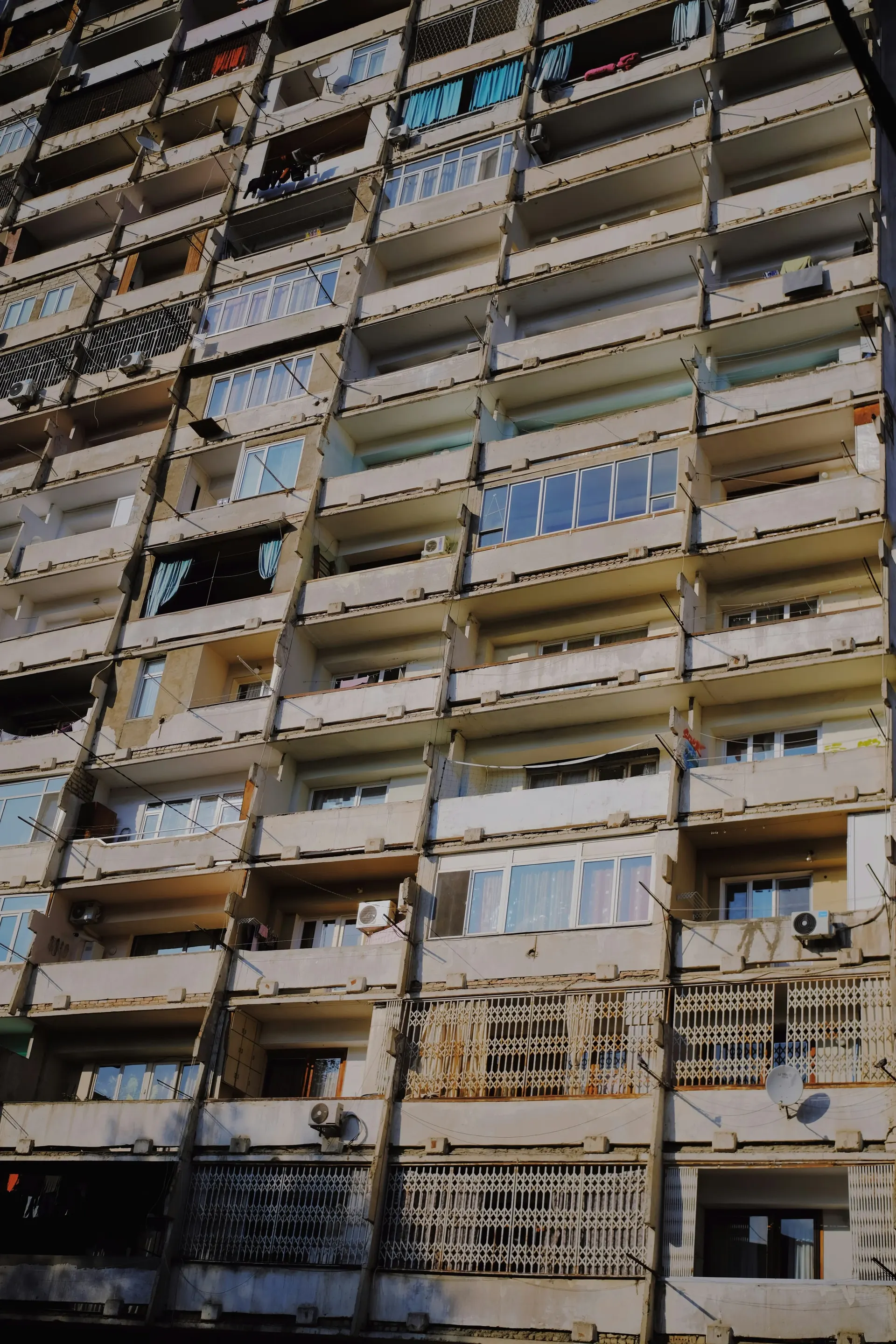
Utilities in Georgia are cheap by European standards — part of why the cost of living is so appealing. That's the good news. The bad news is that nobody explains how any of it works when you move in, your landlord will hand you a scribbled meter number and wish you luck, and your first winter gas bill will be three times what you expected.
This guide covers everything: who provides what, how much it actually costs (with real numbers by season), how to pay, how to read your meters, and the heating situation that surprises every single expat who arrives from a country with central heating.
We've lived through multiple Tbilisi winters and summers. This is the practical guide we wished someone had written for us.
How Georgian Utilities Work
Georgian utilities are structured differently from most Western countries. There's no single bill that covers everything. You have separate accounts — and often separate providers — for electricity, natural gas, water, and garbage collection. Each has its own meter, its own user number, and its own payment process.
The key thing to understand: your landlord doesn't typically handle utilities. When you rent an apartment, the utility accounts either stay in the landlord's name (and you pay based on meter readings) or get transferred to you. Either way, you're responsible for reading meters, calculating usage, and making payments on time.
There are no estimated bills, no autopay by default, and no friendly reminder emails. You check your balance, you pay it. Miss a payment long enough and they'll cut you off — usually with about 10 days' warning.
First Things First
When you move in, ask your landlord for the user number (აბონენტის ნომერი) for each utility. Write them down. You'll need these to check balances and make payments. Also take photos of all meters on move-in day — you don't want to pay the previous tenant's debt.
Utility Providers
Unlike many countries where you can choose your provider, Georgian utilities are mostly monopolies divided by region. In Tbilisi, you'll deal with these companies:
| Utility | Provider | Website | Notes |
|---|---|---|---|
| Electricity | Telasi (თელასი) | telasi.ge | Tbilisi only. Other regions have different providers. |
| Natural Gas | KazTransGas Tbilisi (KTGT) | tbilgasi.ge | Formerly Tbilgazi. Covers Tbilisi metro area. |
| Water & Sewage | Georgian Water and Power (GWP) | gwp.ge | Tbilisi + surrounding areas. |
| Garbage Collection | Tbilservice Group | tbilservicegroup.ge | Fixed monthly fee per household. |
Outside Tbilisi, electricity is typically provided by Energo-Pro Georgia (covering most of the country except Tbilisi) and gas by SOCAR Georgia Gas. The payment process is the same — just different provider names on the paybox screen.
Electricity
Electricity in Tbilisi is provided by Telasi and uses a tiered pricing system. The more you use, the more you pay per kilowatt-hour. This catches some expats off guard — especially those running electric heaters or air conditioning heavily.
| Monthly Usage | Rate (₾/kWh) | Typical Profile |
|---|---|---|
| 0–100 kWh | 0.2494 ₾ | Single person, minimal usage |
| 101–300 kWh | 0.2742 ₾ | Couple, normal usage |
| 301+ kWh | 0.3117 ₾ | Heavy usage, electric heating, AC |
A typical couple in a 2-bedroom apartment uses 150–250 kWh in summer (air conditioning) and 100–180 kWh in winter (assuming gas heating). That translates to roughly 40–70 ₾/month for electricity alone.
If you're running electric space heaters instead of gas — which some apartments require — expect winter electricity bills of 300–500+ kWh, pushing you deep into the expensive tier. This is why knowing your apartment's heating setup before signing a lease matters enormously.
Power Outages Are Real
Tbilisi's power grid is generally reliable, but scheduled maintenance outages happen — especially in older neighborhoods. Telasi usually posts notices on their website or Facebook page a day or two in advance. Outages typically last 4–8 hours. If you work from home, a UPS (uninterruptible power supply) for your router and laptop is a smart investment (~100–150 ₾ at Zoommer or Alta).
Natural Gas
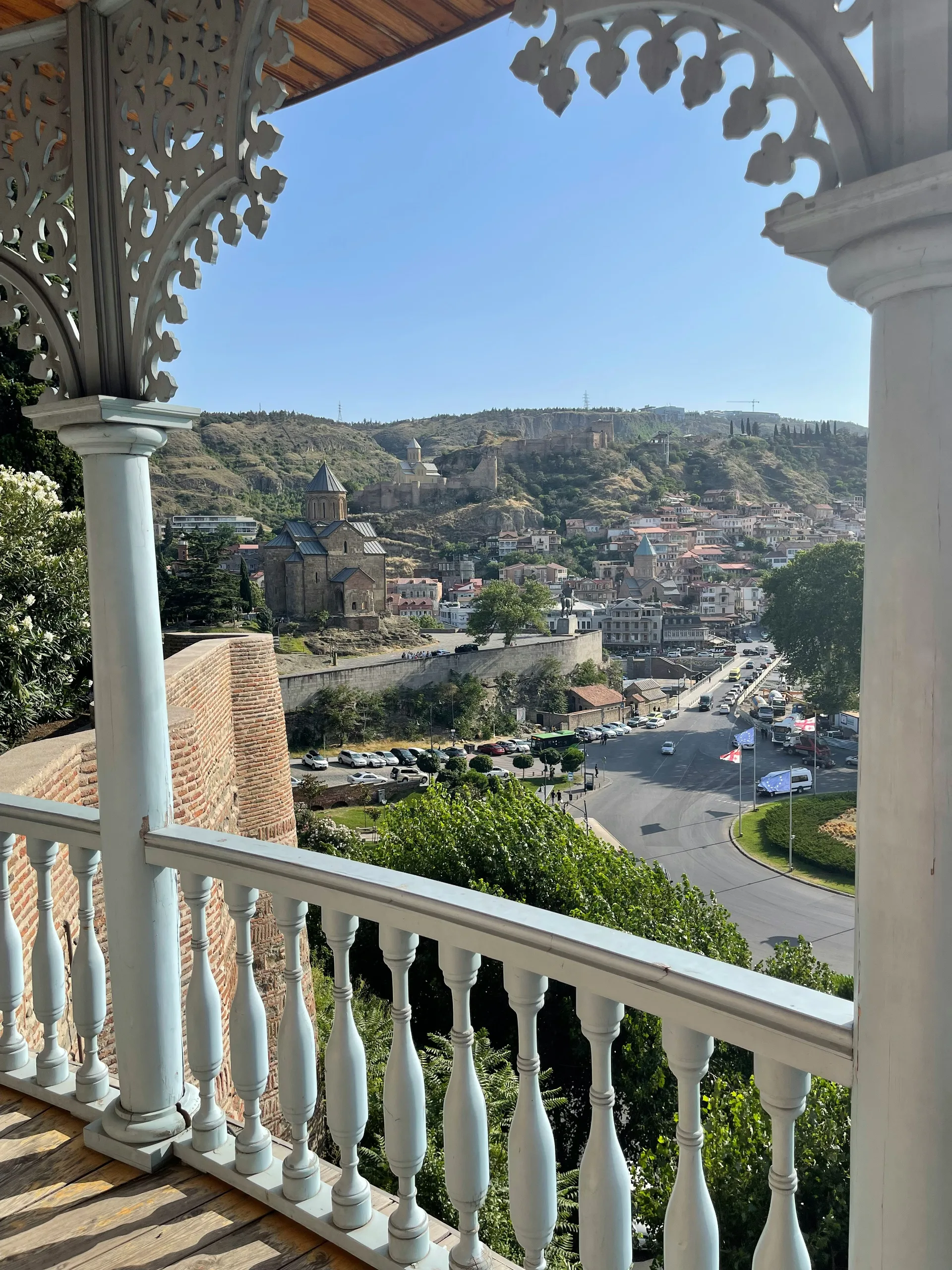
Gas is the biggest variable in your utility costs. In summer, you might use 5–15 m³ (just for cooking and occasional hot water). In winter, if your apartment has gas heating, you'll burn through 100–300+ m³ per month. That difference can turn a 10 ₾ summer gas bill into a 150 ₾ winter one.
The current residential gas price in Tbilisi is approximately 0.555 ₾ per cubic meter (including VAT). This rate is regulated and doesn't fluctuate like European gas markets — one of the genuine perks of living here.
| Season | Typical Usage (m³) | Approx. Cost | Main Uses |
|---|---|---|---|
| Summer (Jun–Sep) | 5–15 m³ | 3–8 ₾ | Cooking, occasional water heating |
| Spring/Autumn | 30–80 m³ | 17–44 ₾ | Cooking, water, some heating |
| Winter (Dec–Feb) | 100–300 m³ | 55–165 ₾ | Heating (biggest factor), cooking, water |
Gas Safety
Georgian apartments use gas for heating, cooking, and hot water — often with older equipment. Always ensure your apartment has adequate ventilation. If you smell gas (a rotten-egg odor), open windows, don't use light switches or electronics, leave the apartment, and call the gas emergency line at 114. Carbon monoxide detectors aren't standard here — buy one (around 30–50 ₾). It might save your life.
Heating: The Big Surprise
This is the section that matters most if you're coming from Northern Europe, the UK, or North America. Georgia does not have central heating. There is no radiator connected to a district system that magically warms your apartment from October to April.
Every apartment heats itself independently, and the method varies wildly. Here's what you'll encounter:
🔥 Gas Floor Heating
The gold standard. A gas boiler heats water circulated through underfloor pipes. Efficient, comfortable, even heat distribution. Found in newer builds and renovated apartments. Your winter gas bill will be 100–200 ₾/month.
🌡️ Gas Radiators
Gas boiler connected to wall radiators. Common in mid-range renovations. Works well but can be uneven — rooms far from the boiler take longer to heat. Similar gas costs to floor heating.
🏠 Individual Gas Heaters
Wall-mounted gas heaters in each room. Common in older apartments. You heat only the rooms you use, which saves money but means cold hallways and bathrooms. Watch for ventilation — these need a proper flue.
❄️ Electric Space Heaters
The worst option. Some apartments — especially cheap rentals — have no gas heating at all. You'll rely on portable electric heaters, which are expensive to run (300+ kWh/month easily) and dry out the air. Avoid these apartments if you can.
When apartment hunting, ask specifically about the heating system. "Does it have heating?" will always get a "yes." Instead ask: "What type of heating? Gas floor heating, gas radiators, or electric?" This single question will determine whether your winter is comfortable or miserable — and whether your bills are 150 ₾ or 400 ₾.
The "Euro Renovation" Heating Trap
Some "Euro-renovated" apartments look gorgeous — modern kitchen, fresh paint, nice bathroom — but have zero heating infrastructure. The landlord renovated the cosmetics and skipped the expensive part. In January, when it's -5°C outside, that Instagram-worthy apartment becomes a refrigerator. Always check heating during your viewing, even if you're apartment hunting in July.
Water
Water is the cheapest utility in Georgia and the one you'll think about least. Georgian Water and Power (GWP) provides water and sewage services in Tbilisi. The rate is fixed and consumption-based if you have a meter, or a flat monthly fee if you don't.
| Service | Rate | Typical Monthly Cost |
|---|---|---|
| Cold Water (metered) | ~0.054 ₾/m³ | 3–8 ₾ |
| Sewage | Bundled with water | Included |
| Water (unmetered flat rate) | ~5–10 ₾/person/month | 5–20 ₾ |
Yes, water really is that cheap. A couple in an apartment with a meter typically pays 5–10 ₾/month for water. It's almost not worth thinking about.
Water quality: Tbilisi tap water is safe to drink. It comes from deep wells and mountain reservoirs. Some people filter it for taste (it can be slightly hard in certain neighborhoods), but it won't make you sick. This is one of the genuine pleasant surprises about Tbilisi. Many cities in the region can't say the same.
Garbage Collection
Garbage collection is handled by Tbilservice Group and charged as a flat monthly fee — typically 3–4 ₾ per household. It's automatically added to your utility obligations. You don't need to do anything special to arrange it.
There's no recycling system to speak of. Everything goes in the same bin. Some neighborhoods have dumpster-style containers on the street; others use smaller bins. The service is daily in most areas and generally reliable.
For expats used to complex recycling systems: sorry. Georgia isn't there yet. There are a few NGO-run recycling drop-off points around Tbilisi (notably in Vake Park and near Fabrika), but it's entirely voluntary.
How to Pay Your Bills
This is where Georgia genuinely impresses. Paying utilities is far easier than in most European countries — once you know your user numbers.
📱 Mobile Banking App
The easiest method. Both Bank of Georgia and TBC have "Utilities" or "Pay Bills" sections. Enter your user number, see the current balance, pay. Takes 30 seconds. You can save templates for each utility so you don't re-enter numbers every month.
🏧 Paybox Machines
Yellow, blue, or orange payment terminals found everywhere — metro stations, supermarkets, building lobbies. Select "Utilities," choose the provider, enter your user number, insert cash. Small fee (~0.5–1 ₾). Cash only. No change given — overpayment goes to your balance.
🌐 Provider Websites
Telasi, GWP, and the gas company all have online portals where you can check your balance and pay with a Georgian bank card. Most have English interfaces. Useful for checking detailed consumption history.
🏦 Bank Branch
You can pay at any bank branch counter. Just tell them the utility provider and your user number. They'll look up the balance and process the payment. Small fee applies. This is the slowest option but useful if you're having trouble with digital methods.
Set Up Templates
In your banking app, save each utility as a template or favorite. Label them clearly (Electricity, Gas, Water, Garbage). Then every month, you just open each template, check the balance, and pay. The whole process takes under 2 minutes for all four utilities. Some people pay weekly to avoid surprise bills — smaller, more frequent payments are easier to budget.
Reading Your Meters
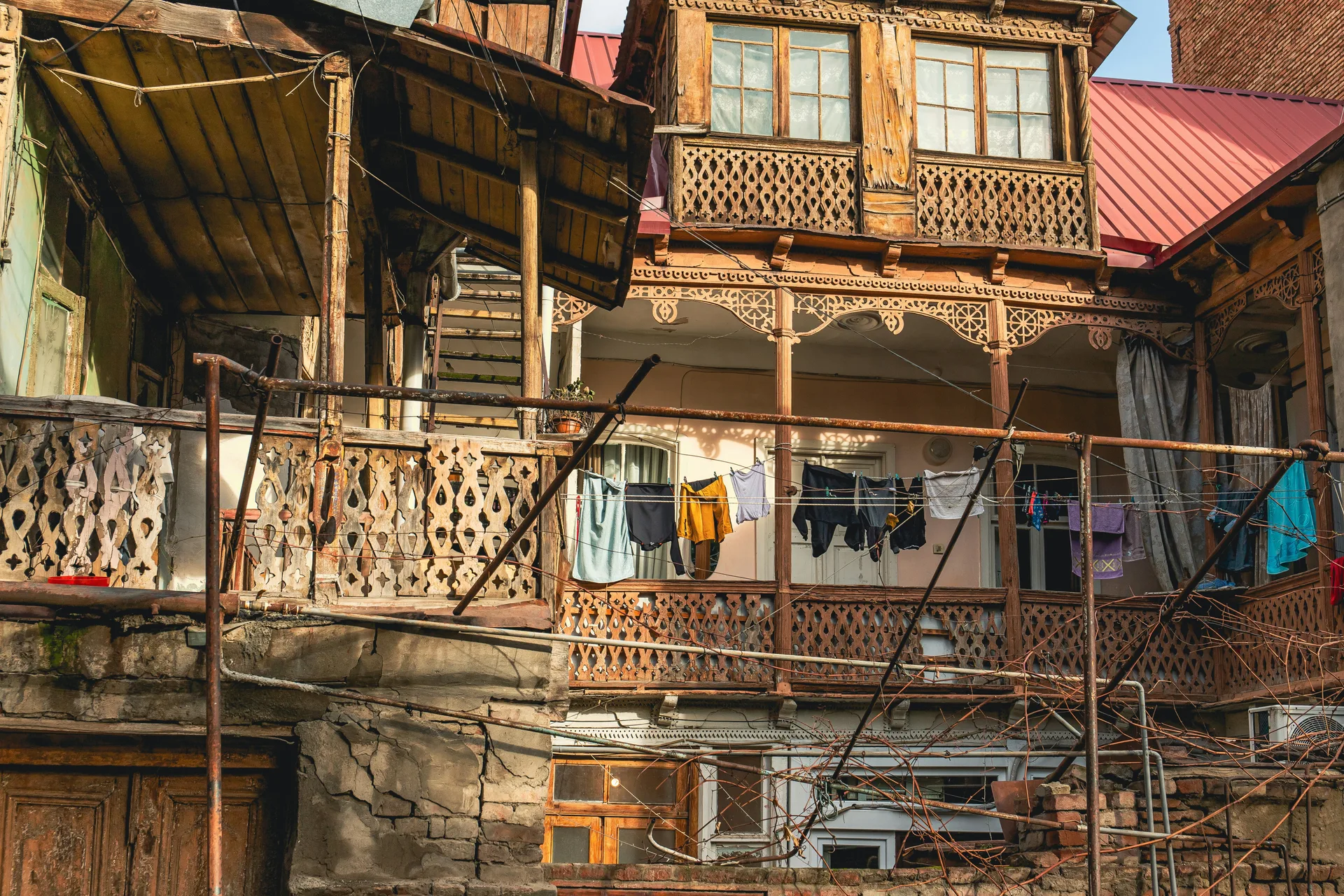
In many apartments, you need to submit meter readings yourself, especially for gas and sometimes electricity. If you don't submit readings, the provider estimates your usage — and estimates are usually wrong (and not in your favor).
| Utility | Meter Location | How to Submit | Deadline |
|---|---|---|---|
| Electricity | Usually on the landing outside your apartment, or in a basement meter room | Telasi website, call center, or inspector reads it | Telasi sends inspectors periodically |
| Gas | Often in kitchen or building hallway near gas pipe entry | SMS, phone call, or online via tbilgasi.ge | Submit by the 5th of each month |
| Water | Near water entry pipe, often in bathroom or kitchen | GWP website or phone | Varies; often inspector-read |
How to read a gas meter: Write down the number shown on the mechanical counter (ignore any red digits — those are decimal fractions). Subtract last month's reading from this month's reading to get your usage in cubic meters. Multiply by the rate (0.555 ₾/m³) to estimate your bill.
Smart meters: Some newer buildings have electronic meters that report automatically. If your building has these, you don't need to submit readings manually — but check your balance regularly to make sure the readings look reasonable.
Hot Water
Hot water deserves its own section because it works differently from what most Westerners expect. There is no municipal hot water supply. Each apartment produces its own hot water, typically via one of these methods:
| Method | How It Works | Pros | Cons |
|---|---|---|---|
| Gas Boiler (Combi) | Heats water on demand when you open the tap | Instant, unlimited supply, heats and warms apartment | Low pressure in old buildings, needs maintenance |
| Gas Instantaneous Heater | Small wall-mounted gas unit, heats water as it flows | Cheap to buy and run | Limited flow rate, temperature fluctuates |
| Electric Tank (Boiler) | Electric element heats a storage tank (50–100L) | Simple, reliable, no gas needed | Limited tank = can run out, uses electricity |
The most common setup in rented apartments is either a gas combi boiler (which handles both heating and hot water) or a separate electric tank boiler in the bathroom. If your apartment has an electric tank, learn where the switch is — many people turn it off when not needed to save electricity, and turn it on 30–40 minutes before showering.
Seasonal Cost Breakdown
Your utility bills in Georgia will vary dramatically between summer and winter. Here's what a typical couple in a 60–80 m² apartment can expect:
☀️ Summer (June–September)
❄️ Winter (December–February) — Gas Heating
❄️ Winter — Electric Heating Only
The difference between gas heating and electric-only heating is stark. An apartment with proper gas floor heating might cost 200 ₾/month total in January. The same-sized apartment with electric heaters could hit 300+ ₾. Over a 4-month winter, that's a 400+ ₾ difference — enough to justify paying slightly higher rent for a well-heated apartment.
Common Issues and How to Handle Them
💧 Low Water Pressure
Common in upper floors of older buildings, especially in evening hours when everyone's using water. A booster pump can fix this (~200–300 ₾ installed). Ask your landlord — it's their problem to solve, but good luck getting them to act fast.
🔌 Tripping Breakers
Older apartments have outdated wiring. Running a heater, washing machine, and electric kettle simultaneously will trip the breaker. Learn where your fuse box is on day one. If it happens constantly, the wiring needs upgrading — again, a landlord conversation.
🌡️ Gas Boiler Maintenance
Gas boilers need annual servicing. Most landlords don't bother. If your boiler starts making strange noises, has a weak flame, or takes forever to heat water, call a technician. A service visit costs 50–100 ₾ and can prevent much bigger problems.
📊 Unexplained High Bills
If a bill seems too high, check: are you paying for the previous tenant? Is the meter shared with another unit? Are the readings correct? Sometimes gas meters in shared buildings are miscounted. Document your readings monthly with dated photos.
🧊 Frozen Pipes
Rare in Tbilisi but possible in older buildings during extreme cold snaps (below -10°C). Keep a trickle of water running from faucets during the coldest nights. Exposed pipes on balconies or in unheated corridors are most at risk.
⚠️ Gas Supply Interruptions
Planned gas maintenance happens, usually announced a few days ahead. The gas company (KTGT) posts notices on their website and sometimes on building entrances. Unplanned outages are rare but possible. Keep matches handy — electronic ignition on gas stoves won't work without supply.
Practical Tips for Managing Utilities
| Tip | Why It Matters |
|---|---|
| Photo meters on move-in day | Proves your starting readings, protects against previous tenant's debt |
| Save user numbers in your phone | You'll need them every month for payments |
| Pay monthly, don't let bills accumulate | Overdue balances lead to disconnection with limited warning |
| Track gas usage weekly in winter | Catches leaks or boiler efficiency problems early |
| Buy a carbon monoxide detector | 30–50 ₾ investment that could save your life |
| Get a UPS for your router | Stays online during power outages — essential for remote workers |
| Check heating type before signing a lease | Gas floor heating vs electric heaters = 100+ ₾/month difference in winter |
| Ask if utilities are included in rent | Some landlords include them — clarify before signing to avoid double-paying |
Common Mistakes
Assuming Central Heating Exists
It doesn't. Not in apartment buildings, not anywhere. Every unit heats itself. Arrive expecting this and you'll avoid the shock.
Not Checking Meter Readings at Move-In
You could inherit the previous tenant's unpaid balance. Take dated photos of every meter before you unpack a single box.
Renting Without Asking About Heating
The difference between gas floor heating and electric heaters is 100+ ₾/month in winter. This is the single most important question when apartment hunting.
Leaving Gas Heaters On Overnight
Individual gas heaters (not central boilers) should be turned off at night for safety. Use them to heat the room, then rely on residual warmth and blankets. Carbon monoxide poisoning is not theoretical here.
Not Budgeting for Winter
Summer utilities can be 60–100 ₾. Winter can be 200–350 ₾. If your budget assumes year-round summer costs, January will hurt.
Ignoring Boiler Maintenance
A poorly maintained gas boiler wastes gas, produces less heat, and poses safety risks. Get it serviced annually. Your landlord should pay for this, but probably won't volunteer — ask.
Emergency Contacts
| Emergency | Number | Notes |
|---|---|---|
| Gas Emergency | 114 | Gas leak, gas smell, gas-related emergency |
| Electricity Emergency | Telasi: 0 800 900 909 | Power outage, electrical emergency |
| Water Emergency | GWP: 0 800 800 909 | Burst pipe, water main break, no water supply |
| General Emergency | 112 | Police, fire, ambulance — English-speaking operators |
Frequently Asked Questions
How much are utilities in Tbilisi per month?
For a couple in a 2-bedroom apartment: 60–100 ₾ in summer, 120–250 ₾ in winter with gas heating, or 160–320 ₾ with electric heating. Water and garbage are negligible (under 15 ₾ combined).
Is Tbilisi tap water safe to drink?
Yes. Tbilisi tap water comes from deep wells and mountain reservoirs. Some people filter it for taste, but it's clean and safe. One of the pleasant surprises about living here.
How do I pay utility bills?
Mobile banking app is easiest — Bank of Georgia or TBC both have utility payment sections. Enter your user number, see the balance, pay. Also available via paybox machines (cash), provider websites, or bank branches.
Do apartments have central heating?
No. Georgia doesn't have central/district heating. Each apartment heats independently — gas floor heating (best), gas radiators, individual gas heaters, or electric heaters (worst). Always ask before signing a lease.
What if I don't pay on time?
About 10 days' warning, then disconnection. Reconnection requires paying the full balance plus a fee. Much easier to just pay monthly — set a calendar reminder on the 1st of each month.
Written by The Georgia Expats Team
We've managed utility accounts across multiple Tbilisi apartments, survived winters with questionable heating, and learned the hard way which questions to ask before signing a lease. This guide covers everything we wish someone had told us on day one.
Last updated: February 2026.
Related Articles
Renting an Apartment in Tbilisi
How to find, negotiate, and avoid red flags.
Cost of Living in Tbilisi
Full breakdown of monthly expenses.
Internet & Phone in Georgia
SIM cards, home WiFi, and staying connected.
Moving to Georgia: Complete Checklist
Everything you need to plan your move.