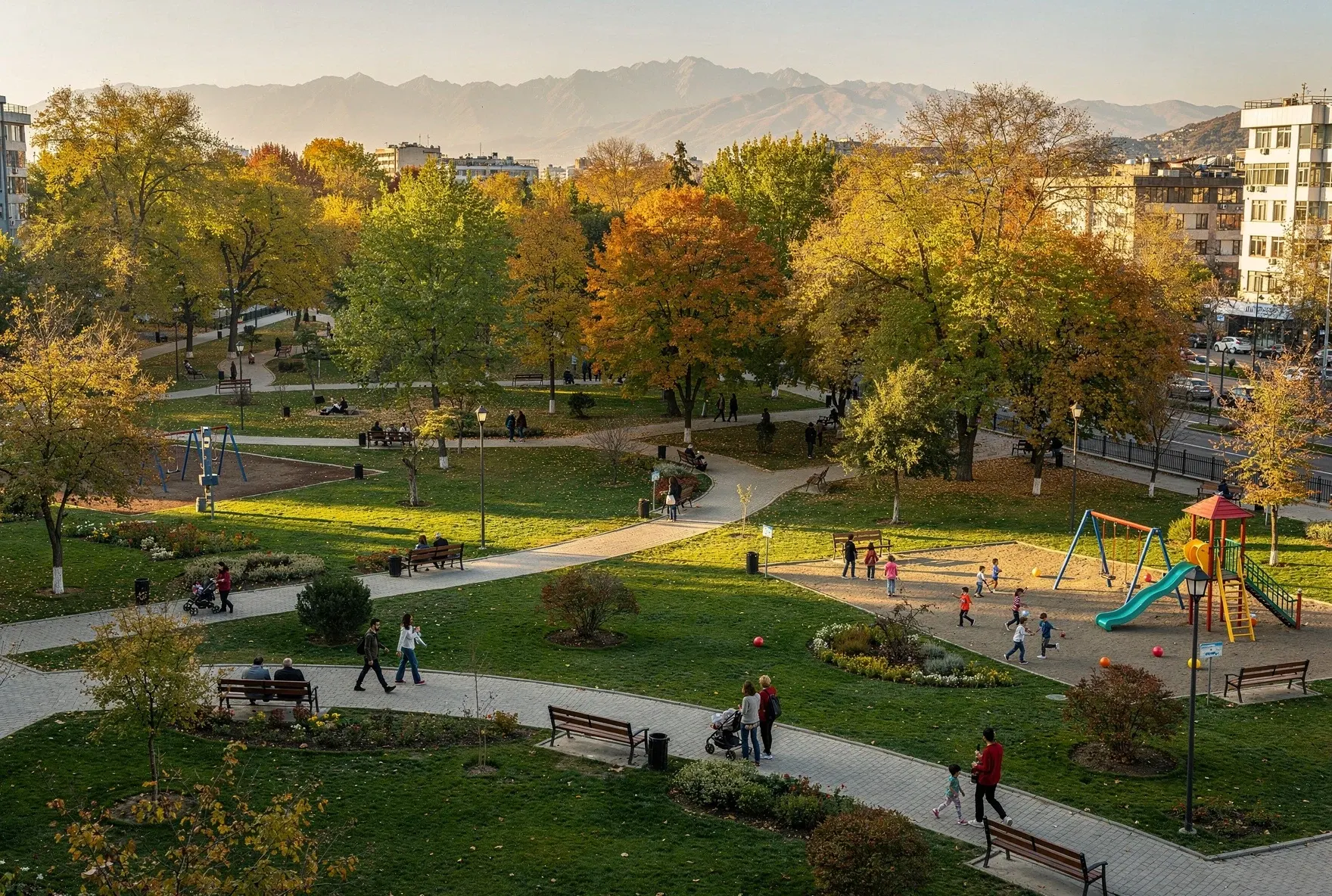
Tbilisi is a surprisingly good city for families — but not in the ways most expat guides describe it. The parks are genuinely excellent. Kid-friendly cafés exist everywhere. Pediatric care is affordable and decent. Georgian people are absurdly warm to children. And your family budget stretches roughly 3x further here than in most European capitals.
But it's not all rosy. Traffic is genuinely dangerous for pedestrians (and strollers). Air quality drops in winter. Playgrounds outside the nice neighborhoods can be rough. The sidewalks are an obstacle course. And if your child has special needs, support services are limited compared to Western Europe or North America.
This guide covers the practical, everyday reality of raising kids in Tbilisi — where to take them, what to watch out for, and the honest trade-offs that expat families navigate daily. It's the guide between having a baby and choosing a school — the stuff nobody writes about because it's just... life.
Key Takeaways
- • Vake Park, Mziuri, and Mtatsminda are the best family parks in Tbilisi
- • Kid-friendly cafés with play areas are common — expect to pay ₾5–15 for entry
- • Swimming, martial arts, gymnastics from ₾80–250/month
- • Pediatric care at private clinics: ₾50–100 per visit, affordable and solid
- • Biggest challenges: traffic safety, winter air quality, sidewalk accessibility
- • Georgians love children — strangers will dote on your kids in restaurants, on the street, everywhere
- • Family budget: $1,500–2,500/month for comfortable family life (excl. school tuition)
The Culture: Georgia Is Absurdly Child-Friendly
Before we get into the practical stuff, this needs to be said: Georgian culture is extraordinarily welcoming to children. It's not performative — it's deep and genuine. Your waiter will pick up your toddler and carry them around the restaurant without asking. The grandmother at the next table will hand your baby a piece of bread. The taxi driver will give your kid a candy.
If you're coming from Northern Europe, Scandinavia, or parts of the US where children in public spaces are treated as inconveniences, Georgia is a revelation. Kids are expected everywhere — restaurants, cafés, family gatherings that go until midnight. Nobody gives you a dirty look when your child is loud. Nobody tuts when you bring a stroller into a shop.
The flip side: Georgian grandparents and strangers will also tell you your child is underdressed (they're always underdressed, apparently), give unsolicited advice about feeding, and insist your baby needs a hat even in August. It comes from genuine care. Smile, nod, do what you want.
The Restaurant Test
In most Western cities, bringing a baby to a nice restaurant feels like a social transgression. In Tbilisi, staff will actively help you — pulling up a high chair before you ask, heating bottles, entertaining your child while you eat. It's not every restaurant, but the cultural default is warmth, not annoyance. This alone makes family life here notably easier.
Parks & Playgrounds
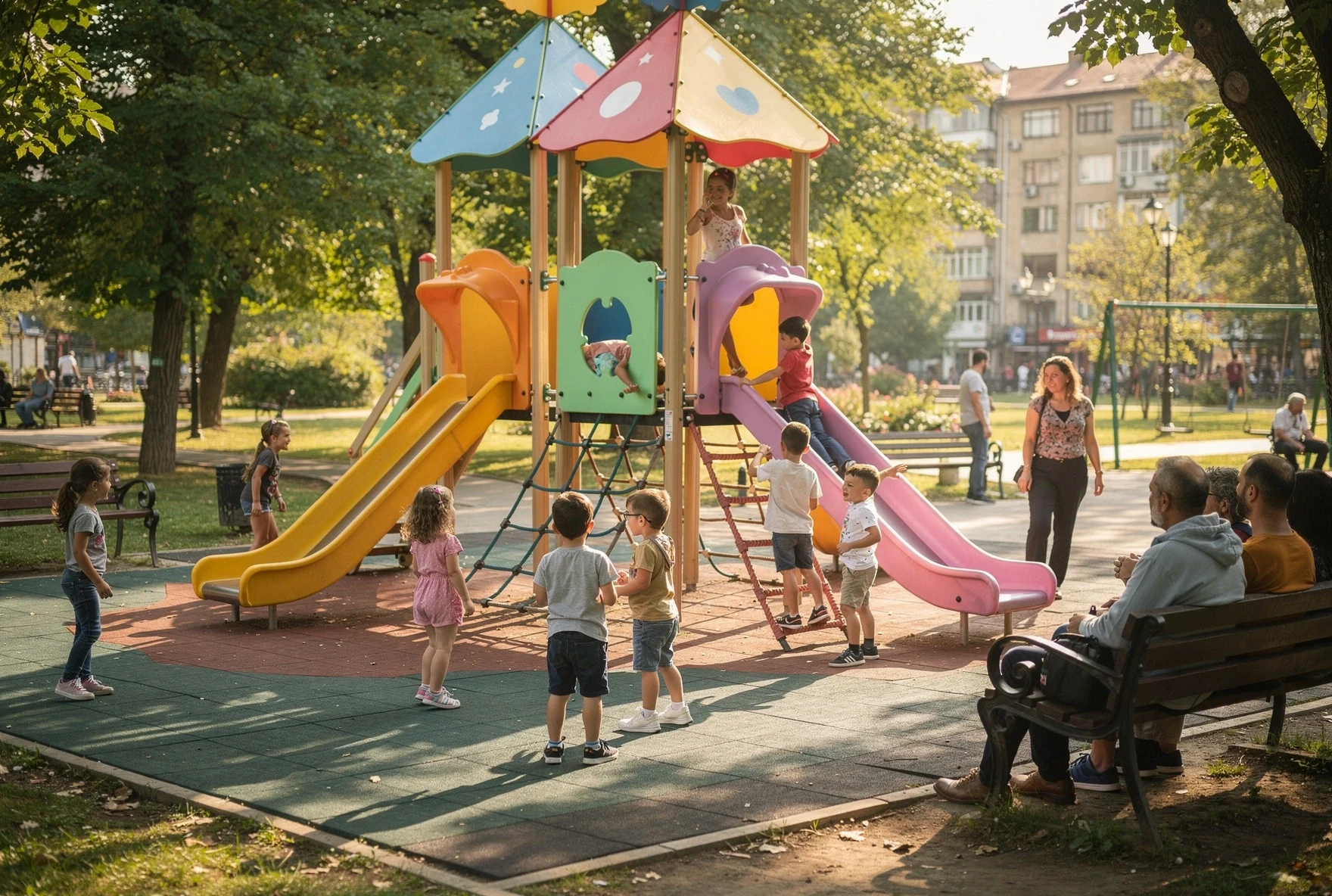
Tbilisi has invested heavily in parks over the past decade, and the results are genuinely impressive. The best parks are spacious, well-maintained, and have modern playgrounds. The worst ones have rusty Soviet-era equipment and broken glass. Knowing which is which matters.
The Best Parks for Families
| Park | Neighborhood | Best For | Playground? |
|---|---|---|---|
| Vake Park | Vake | All ages, walking, cycling, picnics | Multiple — including a large new one |
| Mziuri Park | Vera / Vake border | Toddlers and young kids | Yes — modern, fenced, excellent |
| Mtatsminda Park | Mtatsminda (hilltop) | Older kids (rides, attractions) | Amusement park rides + playgrounds |
| Rike Park | Old Town (riverbank) | All ages, cable car access | Yes — water features in summer |
| Turtle Lake (Kus Tba) | Above Vake | Weekend outings, nature | Small area near the lake |
| 9 April Park | Rustaveli | Central location, quick stop | Small but decent |
| National Botanical Garden | Old Town | Walking, nature education, waterfall | No formal playground (₾4 entry) |
| Lisi Lake | Northwest Tbilisi | Running path, cycling, fresh air | Small area, better for active older kids |
Park-by-Park Breakdown
Vake Park is the undisputed family champion. It's massive (about 300 hectares if you include the upper forest section), has wide paved paths for strollers and bikes, multiple playground areas, cafés, and enough space that it never feels crowded. The lower section near the entrance has newer, well-maintained playgrounds. The upper section is wilder — more forest trail than manicured park, which older kids love. On weekends, half the expat families in Tbilisi seem to be here.
Mziuri Park is the toddler paradise. It was renovated in 2019 and has an excellent modern playground with age-appropriate equipment, soft surfaces, and a fenced area that gives parents some breathing room. It's smaller than Vake but more focused. There's a café right next to the playground. Downside: it gets packed on nice weekends.
Mtatsminda Park is for older kids who want rides. It's an amusement park on top of the hill overlooking Tbilisi. Access via the funicular railway (which is an attraction itself — ₾5 one way). Rides are individually priced (₾3–10 each). The Ferris wheel has insane views. Note: it closes in winter and some rides have age/height restrictions. Not great for toddlers, excellent for 5+ year-olds.
Rike Park on the riverbank is convenient if you live in or near Old Town. The cable car to Narikala fortress departs from here (₾2.50). In summer, the park has water features that kids love running through. In winter, an outdoor ice rink sometimes operates here.
Stray Dogs in Parks
Tbilisi has stray dogs everywhere, including parks. Most are harmless, ear-tagged (meaning they've been vaccinated and neutered by the city), and will ignore you. But small children can be nervous around them, and some strays are territorial. Teach your kids not to run from dogs and not to approach ones that are eating. Read our pets guide for more on the stray situation. It's manageable, but it's real.
Indoor Play Spaces & Entertainment
When it rains (or when winter hits and outdoor play becomes less appealing), Tbilisi has a growing scene of indoor play spaces, trampoline parks, and entertainment centers. Quality has improved dramatically in the last few years.
| Venue | Type | Ages | Cost | Location |
|---|---|---|---|---|
| Gagarini Trampoline Park | Trampolines, foam pits | 3+ | ₾15–25/hour | Saburtalo |
| Yoyo Land | Soft play, slides, ball pits | 1–8 | ₾10–20 | Multiple locations |
| East Point / Tbilisi Mall play areas | Mall play zones | 2–10 | ₾5–15 | Lilo / Gldani |
| Tbilisi Zoo | Zoo | All ages | ₾3 adult, ₾1 child | Vake |
| Georgian National Museum | History, archaeology | 6+ | ₾15 adult, ₾1 child | Rustaveli |
| Etnography Museum (Open Air) | Traditional houses, nature | All ages | ₾7 adult, ₾1 child | Turtle Lake area |
A note on the Tbilisi Zoo: it's small and by Western standards quite modest. Don't expect London Zoo. But for young children (2–6), it's a perfectly decent outing. The surrounding park area is nice for walking. The gift shop is overpriced.
Kid-Friendly Cafés & Restaurants
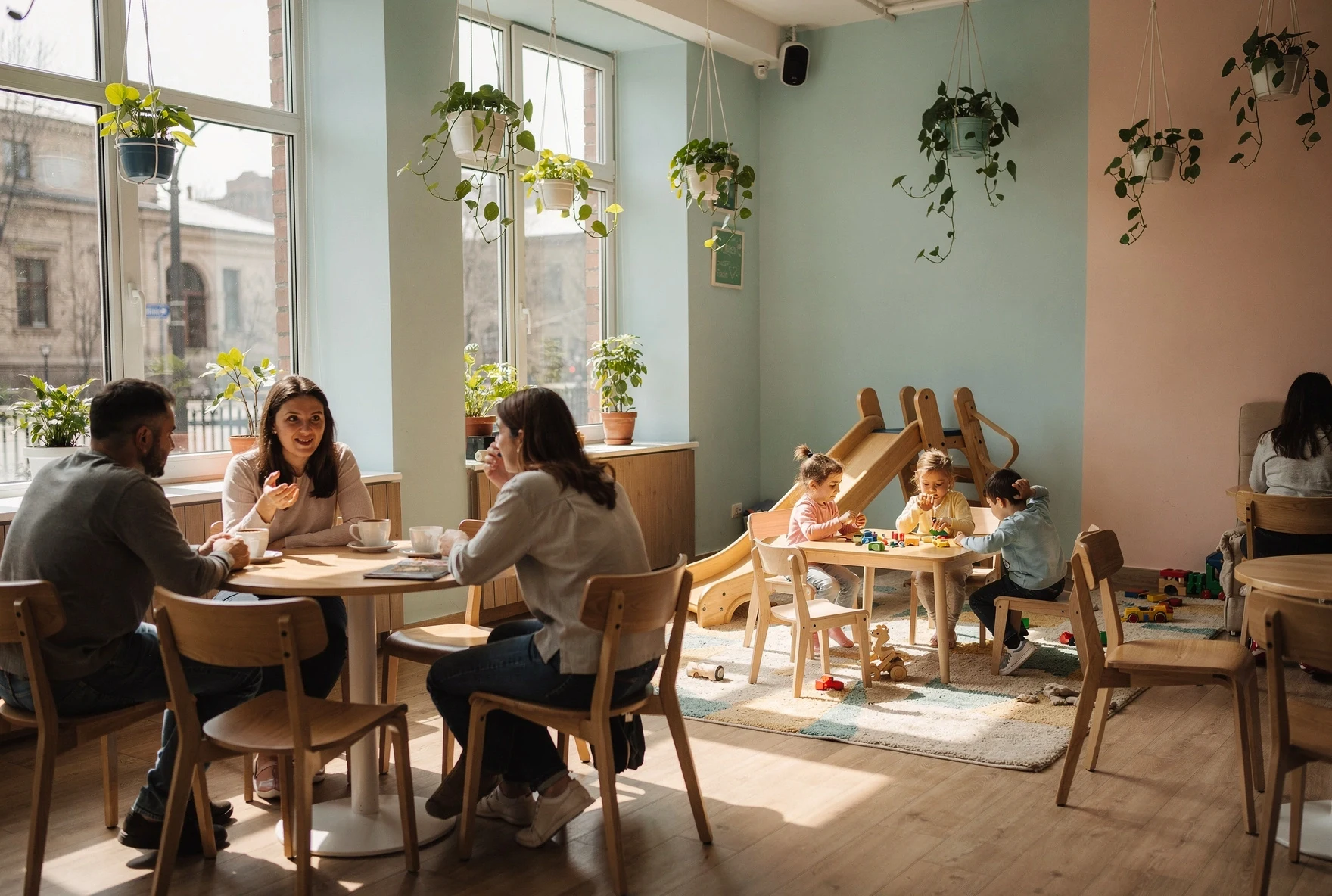
Tbilisi has embraced the concept of cafés with kids' play areas. These places are a lifeline on rainy days, cold winter mornings, or anytime you need coffee while your toddler burns energy. Most charge a small entry fee for the play area (₾5–15) or make it free with a food/drink purchase.
Cafés with Play Areas
Search for "ბავშვების კაფე" (kids café) on Google Maps. New ones open constantly. Popular chains include Coffee Berry (some locations), and independent spots in Vake, Saburtalo, and Dighomi. Quality varies — check recent Google reviews for play area photos.
Family-Friendly Restaurants
Almost every Georgian restaurant is family-friendly by default — the culture simply expects children. But specifically for Western-style kid menus (pasta, pizza, chicken fingers), try chains like Entrée, Luca Polare (pizza + gelato), or the restaurant level of Galleria Tbilisi.
Georgian Food for Kids
Most Georgian food is surprisingly kid-friendly. Khachapuri (cheese bread) is universally loved by children. Khinkali (dumplings) are fun to eat. Shotis puri (traditional bread) is mild and delicious. Churchkhela (grape-and-nut candy) makes a great natural snack. The cuisine is hearty, cheese-heavy, and not particularly spicy — which works well for young palates. The main challenge: vegetable variety is limited in traditional Georgian cooking.
Activities & Classes
Tbilisi has a solid range of extracurricular activities for children. Costs are remarkably low compared to Western cities. Here's what's available and what to expect:
| Activity | Monthly Cost | Ages | Notes |
|---|---|---|---|
| Swimming | ₾100–250 | 3+ | Aquarelle, Laguna Vere, Vake Pool are popular |
| Football (soccer) | ₾80–200 | 4+ | FC Dinamo academies, independent clubs throughout the city |
| Martial arts (judo, karate) | ₾80–150 | 5+ | Georgia's Olympic legacy — judo is huge here |
| Gymnastics | ₾100–200 | 3+ | Several clubs, some with recreational tracks |
| Ballet / dance | ₾100–200 | 3+ | Georgian folk dance is an option too — culturally rich |
| Music lessons | ₾80–200 | 5+ | Piano, guitar, violin — private tutors or music schools |
| Art classes | ₾80–150 | 3+ | Numerous small studios, especially in Vera and Vake |
| Tennis | ₾150–300 | 5+ | Several clubs, including Vake Tennis Club |
| Georgian language tutor | ₾50–100 | 4+ | Per 4 sessions; great for integration |
The language barrier in activities is real but manageable. Swimming and martial arts are physical enough that instructions translate without much language. Music and art classes often have instructors who speak some English. Football coaches usually don't speak English, but kids pick up Georgian surprisingly fast in sports settings.
Georgia's Sports Culture
Georgia punches way above its weight in combat sports. The country produces Olympic medalists in judo, wrestling, and weightlifting with a population of just 3.7 million. Judo in particular has a deeply established coaching infrastructure. If your child is interested in martial arts, Tbilisi is an exceptional place to train — world-class instruction at a fraction of what it costs in London or New York.
Healthcare for Kids
Pediatric care in Tbilisi is affordable, accessible, and generally competent for routine and moderate-complexity issues. The private clinic system works well for children's healthcare. The key is knowing where to go.
| Service | Typical Cost | Where |
|---|---|---|
| Pediatric consultation | ₾50–100 | Private clinics (Aversi, Medi Club, National Center for Disease Control) |
| Vaccination | ₾30–80 per vaccine | Private clinics or polyclinics |
| ER visit (children's) | ₾50–150 | M. Iashvili Children's Hospital, Zhordania |
| Blood tests / lab work | ₾20–80 | Synevo, Mega Lab, Aversi |
| Dental (pediatric) | ₾50–200 | Private dental clinics — many have pediatric specialists |
M. Iashvili Children's Central Hospital is Tbilisi's main dedicated children's hospital. It handles everything from routine pediatrics to complex cases. The facility has been modernized in recent years. For emergencies involving children, this is where you want to go. English-speaking doctors are available, though not guaranteed at all times.
For non-emergency pediatric care, private clinics like Medi Club, Aversi Clinic, and National Center for Disease Control (which has a vaccination center) are popular with expat families. Many have English-speaking pediatricians. Expect to pay ₾50–100 for a consultation — affordable even without insurance, though insurance makes it easier.
Vaccination Schedule
Georgia follows a standard WHO-recommended vaccination schedule. If your child is transferring from another country's schedule, bring their vaccination record. Georgian pediatricians will map it to the local schedule and identify any gaps. International schools will ask for proof of vaccination during enrollment. If your child needs catch-up vaccines, they're readily available and affordable at private clinics.
Safety: The Honest Picture
Georgia is remarkably safe in terms of violent crime — it has one of the lowest crime rates in the region. Your child is not going to be snatched off the street. But there are real, everyday safety concerns that affect family life:
🚗 Traffic
This is the #1 safety concern for families in Tbilisi. Drivers are aggressive, crosswalks are suggestions, cars park on sidewalks, and pedestrian infrastructure is poor. Always hold your child's hand near roads. Use pedestrian underpasses where available. Never assume a car will stop at a crosswalk — even with a green pedestrian signal. This isn't alarmist; it's daily reality.
🚶 Sidewalks & Strollers
Tbilisi sidewalks are a stroller obstacle course. Broken pavement, surprise steps, cars blocking the path, steep slopes without ramps. A sturdy, compact stroller works better than a large pram. Baby carriers (Ergobaby, BabyBjörn) are often more practical than strollers for Old Town or hilly neighborhoods like Sololaki.
🌫️ Winter Air Quality
Tbilisi's air quality deteriorates noticeably in winter (November–February). The bowl-shaped geography traps pollution from cars, construction, and heating. On bad days, AQI can hit 100–150. If your child has asthma or respiratory sensitivities, invest in an air purifier for home and monitor IQAir or the Tbilisi Air Quality app daily.
🐕 Stray Animals
Tbilisi has many stray dogs and cats. Most are docile, but young children can provoke defensive reactions without meaning to. Teach kids not to run from dogs, not to approach eating dogs, and to be calm around them. Ear-tagged strays have been vaccinated. Untagged ones are a slightly higher risk.
Balconies and Windows
Many Tbilisi apartments — especially older ones — have balconies with low railings and windows without child locks. This is a real risk. Before signing a lease, check all windows and balconies. Install child safety locks yourself if needed (available at Gorgia or Domino hardware stores for ₾5–15). This isn't a Georgian-specific issue, but the older building stock makes it more common here.
Best Neighborhoods for Families
Where you live shapes your family's quality of life more than almost any other factor. For a deep dive, see our neighborhoods guide. Here's the family-specific breakdown:
| Neighborhood | Family Rating | Why | Rent (2BR) |
|---|---|---|---|
| Vake | ⭐⭐⭐⭐⭐ | Vake Park, schools nearby, safe streets, expat-friendly | $600–1,100 |
| Saburtalo | ⭐⭐⭐⭐ | Newer buildings, affordable, near QSI school | $450–800 |
| Bagebi / Tskneti | ⭐⭐⭐⭐ | Green, quiet, near ISG and Newton School | $500–900 |
| Dighomi | ⭐⭐⭐⭐ | New developments, bigger apartments, playgrounds | $400–700 |
| Vera | ⭐⭐⭐ | Charming but hilly, near Mziuri, smaller apartments | $500–850 |
| Old Town | ⭐⭐ | Beautiful but noisy, tourist-heavy, hard with strollers | $500–900 |
Vake is the default for expat families, and for good reason. It has Vake Park, wide(r) sidewalks, proximity to several international schools, abundant cafés and restaurants, and the highest concentration of other expat families. It's also the most expensive neighborhood — but still affordable by global standards.
Saburtalo is the value pick. Newer buildings mean better elevators, wider hallways, and child-friendlier construction. QSI International School is here. It's less charming than Vake but more practical for daily family life.
Bagebi and Tskneti are the green options — more suburban feel, gardens, cleaner air. The trade-off: you'll need a car or school bus, and evening activities require driving.
Family Life by Season
Tbilisi's seasons dramatically affect family routines. Here's what each one looks like:
🌸 Spring (March–May)
The best season for families. Parks bloom, temperatures are perfect (15–25°C), the air is clean. Outdoor life comes alive. Easter is a big deal — Sioni Cathedral processions, painted eggs, churchkhela everywhere. April and May are ideal for day trips to Kakheti or Kazbegi.
☀️ Summer (June–August)
Hot (30–38°C in July/August). Parks are usable early morning and evening. Many families escape to Bakuriani, Borjomi, or the Black Sea coast for weeks at a time. Mtatsminda Park is at its best. Splash pads and fountains become social hubs. AC in your apartment is non-negotiable.
🍂 Autumn (September–November)
Another excellent season. School starts September 15. Temperatures cool to a pleasant 12–22°C. Fall foliage in Vake Park is beautiful. October is arguably Tbilisi's best month — harvest season, wine festivals, perfect weather. November gets gray and cold quickly.
❄️ Winter (December–February)
The hardest season for families. Cold (0–8°C), gray, occasional snow. Air quality drops. Parks are less appealing. Indoor activities become essential. Christmas and New Year are huge — Tbilisi decorates beautifully. Ski season: Gudauri is 2 hours away, Bakuriani 3 hours. Both are family-friendly ski resorts.
Best Weekend Trips for Families
One of Tbilisi's greatest advantages for families: incredible weekend trip options within easy driving distance. Georgia is a small country — you can reach mountains, wine country, caves, and coast in 2–4 hours.
| Destination | Drive Time | Best For | Best Season |
|---|---|---|---|
| Mtskheta | 30 min | Ancient capital, UNESCO churches, easy day trip | Year-round |
| Borjomi | 2.5 hours | Mineral water park, forested paths, cable car | Spring–autumn |
| Prometheus Cave | 3 hours | Spectacular underground caves, boat ride | Year-round (constant 14°C inside) |
| Kazbegi / Stepantsminda | 2.5 hours | Mountain scenery, Gergeti church, hiking | May–October |
| Gudauri | 2 hours | Skiing, snowboarding, mountain resort | December–March |
| Kakheti wine region | 1.5 hours | Wine tasting (for parents), countryside, harvesting | September–October (harvest) |
| Bakuriani | 3 hours | Family-friendly ski resort, gentler slopes | December–March (ski), July–August (mountain walks) |
Car Seats
Georgia has a child car seat law, but enforcement is... inconsistent. Most Bolt/taxi drivers don't have car seats. If you have a car, bring your own seat from abroad or buy one locally (Gorgia, Baby City, or order online). For taxi rides, some expat families carry a lightweight, foldable booster. It's not ideal, but it's the reality. For longer road trips, your own car with a proper seat is strongly recommended.
Family Budget: What It Actually Costs
Here's a realistic monthly budget for a family of three (two parents + one child) living comfortably in Tbilisi, excluding school tuition:
Comfortable Family Budget (Vake/Saburtalo)
Add school tuition on top: ₾10,000–70,000/year ($3,600–$24,000) depending on which school you choose. A family earning $4,000–6,000/month can live very comfortably in Tbilisi with one child in a solid international school. In most European capitals, the same lifestyle would require $8,000–12,000/month.
Social Life for Parents
Having kids in Tbilisi actually accelerates your social life rather than killing it. The expat parent community is tight-knit and actively welcoming — partly because everyone knows how disorienting it is to move to Georgia with children.
Facebook Groups
"Tbilisi Expat Parents" is the main group. Active, helpful, full of school recommendations, pediatrician referrals, activity suggestions, and playdates. Also check "Expats in Tbilisi" for general questions.
School Communities
International schools are natural social hubs. Parent WhatsApp groups, school events, bake sales, holiday parties. QSI, BIST, and New School all have active parent communities. This is probably how you'll make your closest expat friends.
Playdate Culture
Expat parents actively organize playdates through Facebook and school groups. Vake Park is the de facto weekend meeting point. Kid-friendly cafés double as parent networking venues. It's common to arrange playdates within the first week of arriving.
Date Nights
Babysitters in Tbilisi are affordable (₾15–25/hour for an experienced, English-speaking sitter). Many expat families find babysitters through parent Facebook groups or through their school community. Georgian nannies (full-time or part-time) cost ₾600–1,200/month — dramatically cheaper than Western cities.
Special Needs & Support Services
This is where Tbilisi falls short compared to Western cities. Support services for children with special needs — learning disabilities, autism, physical disabilities, developmental delays — are limited and improving slowly.
What's Available
QSI International School has dedicated learning support staff. Some private speech therapists and occupational therapists work in Tbilisi — ask in expat parent groups for recommendations. A few private centers offer ABA therapy for autism. Physical accessibility (wheelchair ramps, elevators) is improving in newer buildings but poor in older areas. If your child has significant special needs, research availability of specific services before committing to the move. Tbilisi is improving but is not yet at Western European standards for inclusive education or therapy services.
Practical Tips from Expat Parents
| Topic | What to Know |
|---|---|
| Diapers & baby supplies | Pampers, Huggies, and local brands available at Goodwill, Smart, and Carrefour. Prices comparable to Europe. Formula available but bring specialty brands from abroad if your baby is particular. |
| Children's clothing | LC Waikiki, H&M (in malls), and local shops cover basics. For premium brands, order via SSSS.ge or forward from Amazon using forwarding services. |
| Toys | Available at Toy House, malls, and some bookstores. Selection is decent but not huge. LEGO is available but pricier than in the EU. Order specialty toys from Amazon via forwarding. |
| Libraries & books | English-language children's books are limited in Tbilisi bookstores. Bring favorites from home. The National Library has a children's section. Some international schools have lending libraries open to members. |
| Internet content | Netflix, YouTube, Disney+ all work fine in Georgia. No VPN needed for major streaming services. Georgian TV has children's programming if you want language exposure. |
| Domestic help | Full-time nannies: ₾600–1,200/month. Cleaning help: ₾50–100 per visit. Both are readily available and affordable. Find through expat groups or word of mouth. |
The Honest Downsides
We've covered the positives. Here's the other side of the coin — the things that frustrate expat parents in Tbilisi:
❌ Pedestrian Infrastructure
Broken sidewalks, missing ramps, cars parked on walkways. Getting around with a stroller is a daily battle. This is Tbilisi's #1 quality-of-life issue for families. It's not going to change quickly.
❌ Limited Special Needs Support
If your child needs speech therapy, OT, or specialized educational support, options are limited and may not meet Western standards. This is a dealbreaker for some families.
❌ Winter Gloom
November through February is gray, cold, and has poor air quality. Outdoor family activities shrink dramatically. Some families leave for warmer climates during the worst months.
❌ School Choices Limited vs. Major Cities
16 international schools sounds like a lot, but if your child needs a specific curriculum, the realistic options narrow quickly. London has hundreds; Tbilisi has a handful. And the top ones (QSI, BIST) have waitlists.
❌ Smoking Culture
Georgia banned indoor smoking in restaurants (2018), and compliance is generally good. But outdoor terraces, parks, and public spaces still have plenty of smokers. If secondhand smoke bothers you, it'll come up regularly.
❌ "Your Child Is Cold!"
Georgian grandmothers will tell you your child needs more layers, a hat, thicker socks — regardless of the actual temperature. It's cultural and comes from care, but it can wear on you after the 500th time. Develop a thick skin (even if your child supposedly doesn't have one).
Common Mistakes
Choosing neighborhood before school
Pick the school first, then find a home nearby. Tbilisi traffic means a 5km commute can take 40 minutes during school hours. Proximity to school should drive your housing decision.
Not checking apartment safety
Low balcony railings, unguarded windows, steep stairs, exposed wiring. Older Tbilisi apartments weren't built with child safety in mind. Inspect before signing.
Underestimating winter
Tbilisi winter is harder on families than on single nomads. Plan indoor activities, invest in warm clothing, and budget for weekend trips to avoid cabin fever.
Skipping health insurance
Kids get sick, fall off things, and need unexpected medical attention. Georgian healthcare is affordable, but insurance gives you peace of mind and access to better facilities.
Frequently Asked Questions
Is Tbilisi a good city for raising kids?
Yes, with caveats. Georgian culture is extraordinarily welcoming to children, parks are plentiful, costs are low, and the international school options are solid. The main downsides are traffic safety, winter air quality, and limited special needs support. For most families, the quality-of-life-to-cost ratio is hard to beat.
How much does it cost to raise a child in Tbilisi?
Excluding school tuition, a comfortable family of three can live on $1,500–2,300/month. Add tuition ($3,600–$24,000/year) and you're still well below what most European capitals cost. Full-time nannies run ₾600–1,200/month.
What are the best parks for kids?
Vake Park (best overall), Mziuri Park (best for toddlers), Mtatsminda Park (best for older kids with rides), and Rike Park (convenient central option with water features in summer).
Is healthcare for children good?
Routine and moderate-complexity care is solid and affordable at private clinics. M. Iashvili Children's Hospital handles emergencies. For complex specialist care, some families travel to Turkey or Europe. Get health insurance for peace of mind.
Are there English-speaking babysitters?
Yes — ₾15–25/hour for babysitters, ₾600–1,200/month for full-time nannies. Find them through expat Facebook groups or school communities.
Written by The Georgia Expats Team
Based in Tbilisi and raising families here. We've pushed strollers over broken sidewalks, found pediatricians at midnight, and watched our kids make friends in three languages at Vake Park. This guide comes from lived experience, not research.
Last updated: February 2026.
Related Articles
Education & Schools in Georgia
International schools, kindergartens, public schools, homeschooling, and university options.
Having a Baby in Georgia
Prenatal care, maternity clinics, birth registration, and citizenship.
Best Neighborhoods in Tbilisi
Where to live — rent prices, vibes, and the best areas for families.
Healthcare in Georgia
Hospitals, pediatricians, insurance, and the 2026 mandatory coverage rule.