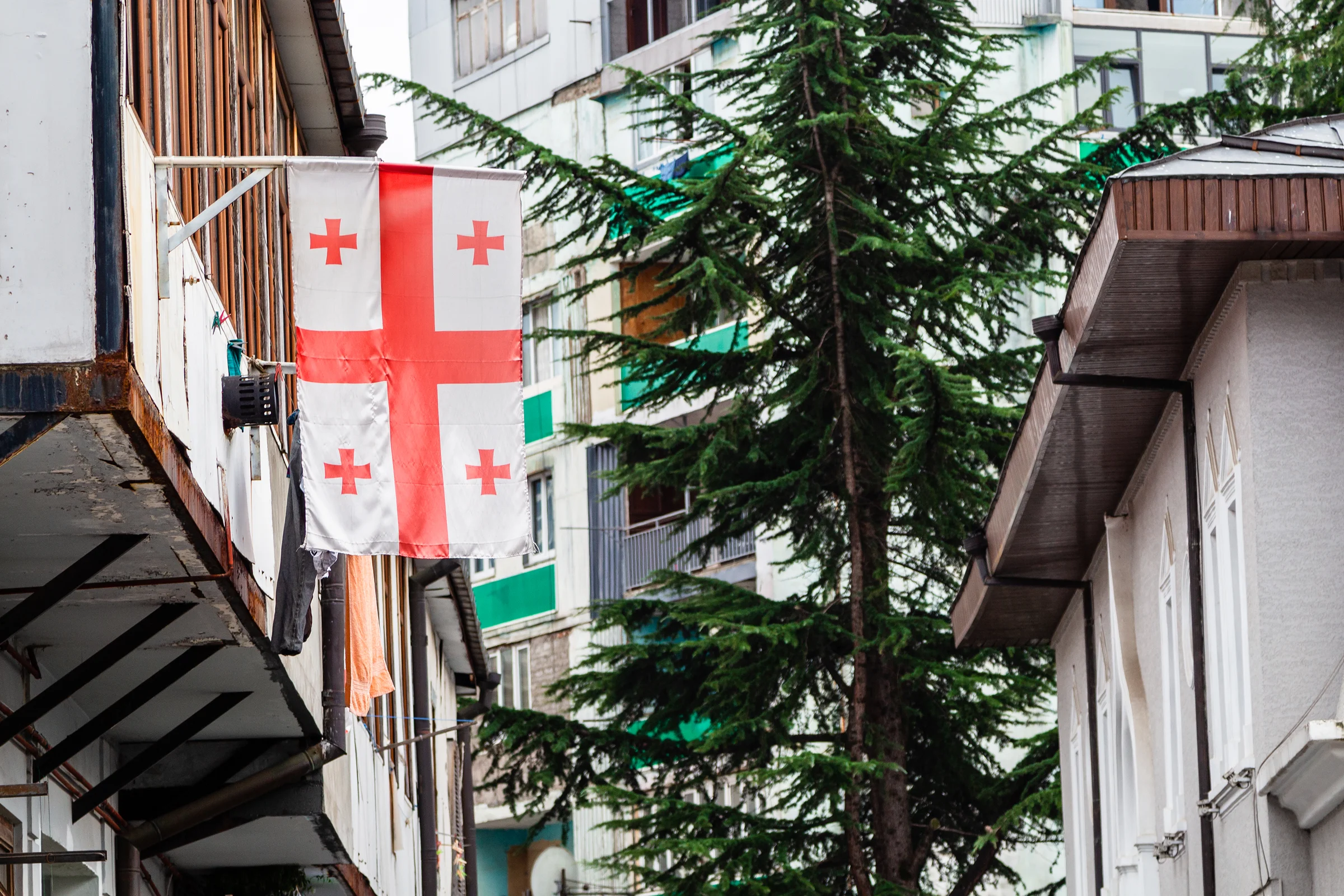
Georgia is one of those places where the culture will make you feel instantly welcome — and then quietly confuse you for the next three years. The hospitality is legendary, the social rules are unspoken, and the gap between what you read online and what you actually experience is enormous. This guide covers the real stuff: the cultural patterns, social expectations, and unwritten rules that shape daily life for expats in Georgia.
Hospitality: It's Real, and It's Intense
You've probably heard that Georgians are hospitable. What you haven't heard is just how far it goes. This isn't the "here's a nice restaurant recommendation" kind of hospitality. This is the "I met you twenty minutes ago and now you're at my family's dinner table eating food they spent four hours preparing" kind.
In Georgian culture, a guest is considered a gift from God — stumari ghvtisaa (სტუმარი ღვთისაა). This isn't just a saying people trot out for tourists. It's a deeply internalized value that shapes how Georgians interact with foreigners on a daily basis. Your neighbor will bring you food. Your taxi driver might invite you to his village. Your landlord's mother will worry that you're not eating enough.
The Golden Rule
Always accept the first invitation. Declining Georgian hospitality — especially from older people — is taken personally. You don't have to stay long, but refusing outright signals disrespect. Even if you're not hungry, eat something. Even if you don't drink, hold the glass.
The flip side: Georgian hospitality comes with expectations. If someone hosts you, you're expected to reciprocate eventually. This isn't transactional — nobody's keeping score — but it's noticed. The easiest way to participate is to bring something when you visit: wine, sweets, fruit, or flowers. Never show up empty-handed to a Georgian home.
The Supra: What Actually Happens
Every guide mentions the supra — Georgia's traditional feast. Most describe it like a quaint dinner party with toasts. In reality, a proper supra is a multi-hour, sometimes multi-day event that will test your liver, your social stamina, and your ability to sit in one place for extended periods.
| Element | What to Expect |
|---|---|
| Tamada | The toastmaster — runs the evening. Selects toast topics, controls the flow. Don't freelance your own toasts without being invited to. |
| Alaverdi | When the tamada passes a toast to you — you elaborate on the theme, then drink. This is an honor, not optional. |
| Toast order | Follows a traditional sequence: God/peace, Georgia, the deceased, family, the reason for gathering, women, children, future. The tamada decides specifics. |
| Wine | Homemade wine is standard. Red or amber. You drink at each toast — don't sip between toasts. That's considered bad form. |
| Food | The table will be covered before anyone sits. More dishes keep appearing. Pacing yourself is critical — there are always more courses coming. |
| Duration | 2–6 hours minimum. Some rural supras can stretch across an entire day. Don't have plans after. |
| Leaving | Never leave during a toast. Wait for a natural break. Say goodbye individually to the host and elders. |
The Beer Rule
Never toast with beer. In Georgian tradition, beer is used to toast enemies. It sounds bizarre, but Georgians take this seriously. If you're not drinking wine, use water, juice, or even Coca-Cola — anything except beer during a formal toast.
If you don't drink alcohol, nobody will actually force you. But you'll need to be clear about it early. Say you're on medication, or that your doctor advised against it. Health reasons are respected immediately. "I just don't drink" gets more pushback, though younger Georgians are increasingly accepting of it.
Religion and the Church
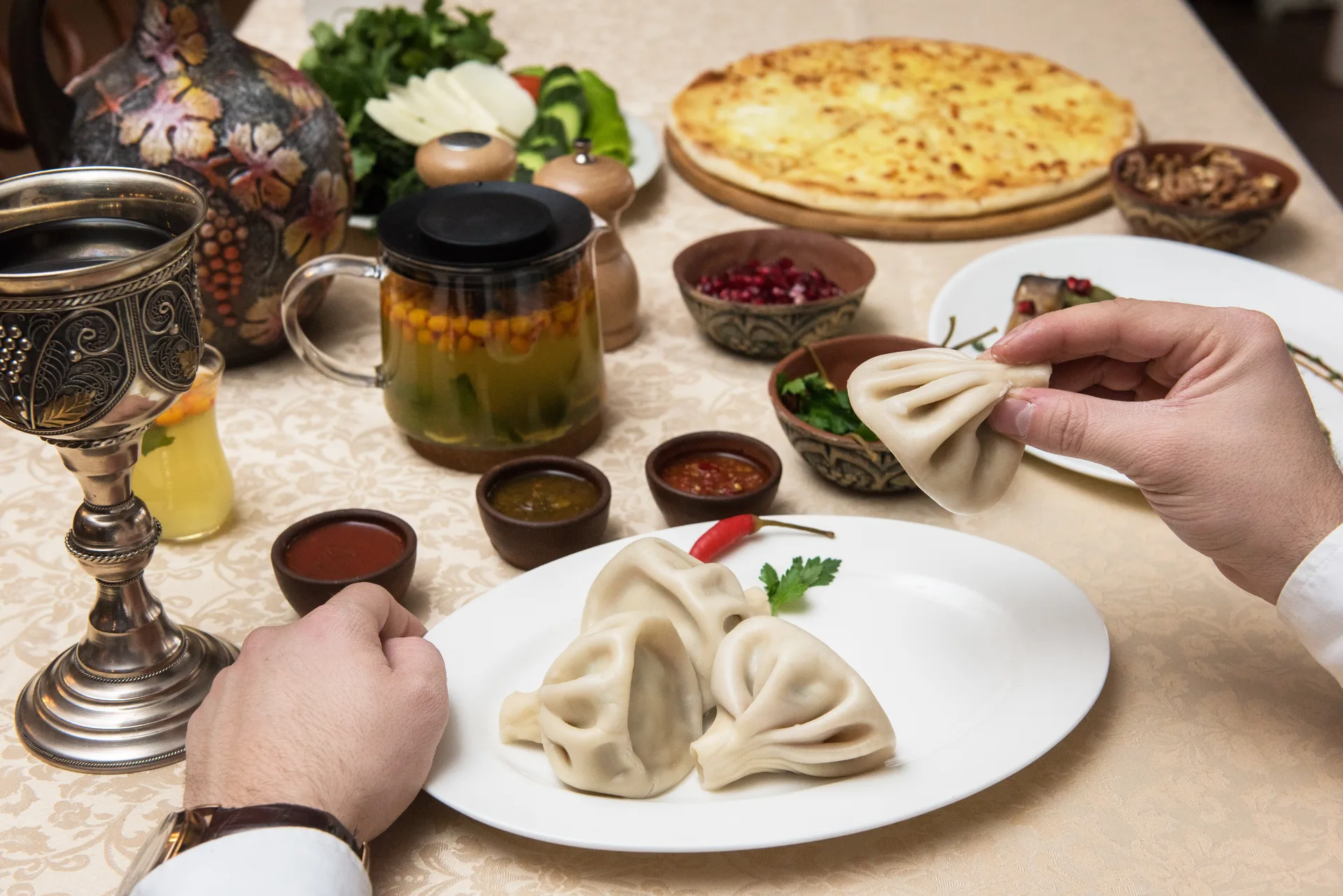
Georgia is one of the oldest Christian nations — the country adopted Christianity in 337 AD. The Georgian Orthodox Church isn't just a religious institution; it's woven into national identity. Even Georgians who never attend services will cross themselves when passing a church. Politicians regularly invoke the Church. The Patriarch (Ilia II) is among the most trusted figures in the country.
What this means for expats:
Visiting Churches
Women should cover their heads (scarves are usually available at the entrance) and wear skirts or wraps below the knee. Men should remove hats. Shorts are generally frowned upon for both genders. Don't cross your arms or put your hands in your pockets.
Religious Holidays
Easter is the biggest holiday — bigger than Christmas. Shops close, families gather, and the entire city goes quiet. Orthodox Christmas is January 7, not December 25. New Year's Eve (December 31) is the main festive party night.
Fasting Periods
Many Georgians fast before Easter and Christmas (no meat, dairy, or eggs). Restaurants will have "lenten menus" (სამარხვო). This doesn't affect expats directly, but be aware if you're invited to a family dinner during fasting periods.
Everyday Religiosity
Taxis have icons on the dashboard. People cross themselves at churches. "God willing" (ghmerti iqos) peppers conversation. It's cultural as much as spiritual — respect it even if you're not religious.
Social Norms That Nobody Tells You
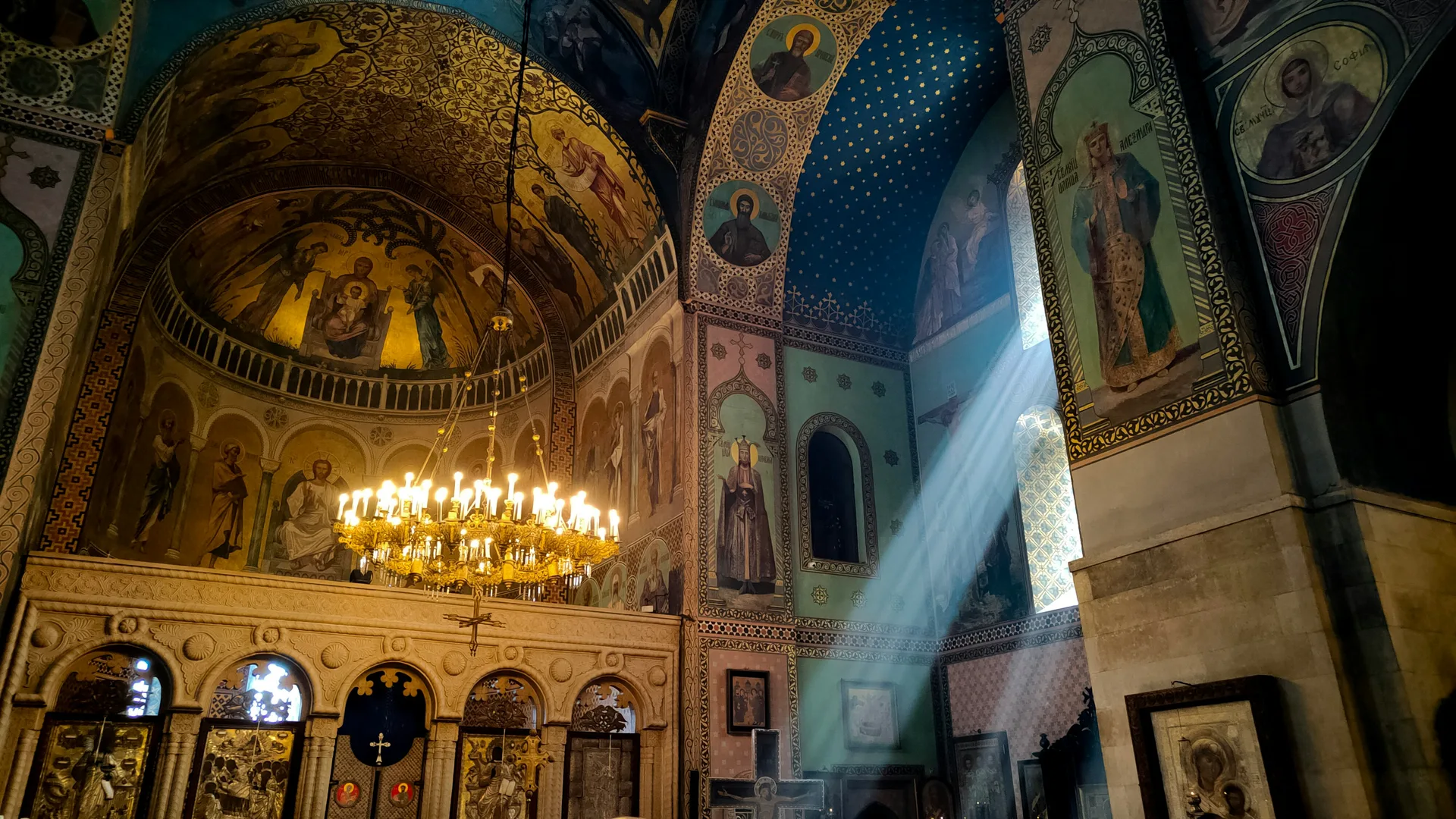
These are the things that trip up expats in the first months — not because they're difficult, but because nobody writes them down. They're just understood.
| Norm | What It Means in Practice |
|---|---|
| Personal space is smaller | Georgians stand closer, touch more during conversation (arm, shoulder), and maintain stronger eye contact than Northern Europeans or Americans are used to. It's warmth, not aggression. |
| Directness about appearance | "You look tired," "You've gained weight," and "You look pale" are normal observations, not insults. Georgians comment on your appearance because they care. Don't take offense. |
| Time is flexible | Being 15–30 minutes late to social events is normal. Being on time to a dinner party might mean you arrive before the host is ready. Business meetings tend to be more punctual, but not always. |
| "No" is rarely direct | Georgians often say "yes" or "maybe" when they mean "no." They'll agree to plans with no intention of following through. It's not lying — it's avoiding confrontation. Read between the lines. |
| Elders first, always | Older people are greeted first, served first, given the best seat, and spoken to with respect. Stand when an elder enters the room. Give up your seat on public transport. This is non-negotiable. |
| Shoes at the door | Remove your shoes when entering a Georgian home. Hosts will offer slippers (tapochki). Wearing outdoor shoes inside is considered disrespectful. |
| Compliments about food | Always compliment the food. Georgian hosts take cooking personally. Even if the meal isn't your favorite, find something genuine to praise. "The khinkali are excellent" goes a long way. |
| Flowers must be odd numbers | When bringing flowers as a gift, always bring an odd number (1, 3, 5, 7). Even numbers are for funerals. This rule is taken seriously. |
Family, Gender, and Relationships
Georgia is a family-centric society. Extended families are tight-knit, adult children often live with parents until marriage (and sometimes after), and family opinions carry serious weight in personal decisions. This creates a social fabric that's warm and supportive — but also comes with expectations that Western expats may find surprising.
Marriage Matters
Marriage is a major milestone — more so than in Western Europe or North America. Unmarried people past 30 (especially women) will face questions. Living together without marriage is increasingly accepted in Tbilisi but raises eyebrows in smaller cities and villages.
Gender Roles
Traditional gender roles are alive and well, especially outside Tbilisi. Men are expected to be providers, women to manage the household. This is evolving in the capital among younger Georgians, but it's the default. Georgian women who break these norms exist — and often face social pressure for it.
The Mother-in-Law
If you marry a Georgian, understand that their mother's opinion matters. A lot. Georgian mothers are deeply involved in their children's lives — including their marriages. This isn't dysfunction; it's cultural. Set boundaries respectfully and early.
Children Are Central
Georgians love children. Strangers will talk to your kids, touch them, offer them candy. In restaurants, staff will entertain your child. This is genuine warmth. Choosing not to have children is increasingly respected in Tbilisi but still uncommon.
LGBTQ+ Reality
Georgia is not a safe or comfortable place for openly LGBTQ+ individuals. The Church actively opposes LGBTQ+ rights, public opinion is overwhelmingly negative, and pride events have been met with violent counter-protests. Tbilisi has a small, private queer scene, but discretion is the norm. This is one of the harder truths about living here.
Language: How Much Georgian Do You Need?
You can survive in Tbilisi with zero Georgian. English is widely spoken among younger people (under 35), Russian covers the gap with older generations, and service staff in expat-heavy areas usually know enough English to get by.
But "survive" and "thrive" are different things. Learning even basic Georgian earns you enormous goodwill. Georgians are genuinely delighted when foreigners try their language — partly because so few do, and partly because they're proud of their unique alphabet and 1,500+ year literary tradition.
| Phrase | Georgian | Pronunciation | When to Use |
|---|---|---|---|
| Hello | გამარჯობა | ga-mar-JO-ba | Every greeting. Use it constantly. |
| Thank you | მადლობა | mad-LO-ba | After anything — purchases, meals, favors. |
| Please | თუ შეიძლება | tu shei-DZLE-ba | Requests — ordering, asking for help. |
| Yes / No | დიახ / არა | di-AKH / a-RA | Basic communication. |
| Cheers! | გაუმარჯოს | gau-MAR-jos | Every toast. Essential for supras. |
| Delicious | გემრიელია | gem-ri-E-li-a | Compliment the food. Guaranteed smiles. |
| How much? | რა ღირს? | ra GHIRS? | Shopping, markets, taxis. |
| Goodbye | ნახვამდის | nakh-VAM-dis | Leaving anywhere. |
The Russian Question
Most Georgians over 40 speak Russian fluently. Younger Georgians increasingly speak English instead. Using Russian is practical, but be aware of the political undertone — Georgia has a complicated relationship with Russia (two wars, ongoing occupation of 20% of Georgian territory). Most Georgians won't mind if you speak Russian, but starting a conversation in Georgian shows respect.
Business Culture and Professional Norms
Doing business in Georgia is relationship-first. Contracts matter, but trust matters more. A handshake deal with someone who knows your name is often more reliable than a signed contract with a stranger. This cuts both ways — networking is how things actually get done here.
| Aspect | What to Know |
|---|---|
| Meetings | Start with small talk. Jumping straight to business feels cold. Ask about family, share tea or coffee. The first 10–15 minutes are social. |
| Hierarchy | Decisions come from the top. If the boss isn't in the room, nothing gets decided. Address the senior person first. |
| Communication | Indirect. "We'll look into it" often means no. "Possible" can mean anything from certain to impossible. Pay attention to tone and body language, not just words. |
| Punctuality | Be on time yourself, but expect Georgian counterparts to be 10–20 minutes late. Don't take it as disrespect. |
| Business meals | Many deals are sealed over lunch or dinner. Refusing a meal invitation from a business partner is a social mistake. |
| Networking | Who you know matters enormously. Warm introductions open doors that cold emails never will. Build relationships before you need something. |
Sensitive Topics: What Not to Say
Georgia is a warm and open country, but certain topics will shut down a conversation fast — or worse, start an argument. Know the landmines.
🇷🇺 Russia
Russia occupies ~20% of Georgian territory (Abkhazia and South Ossetia). The 2008 war is fresh memory. Don't equate Georgia with Russia, don't call Georgian food "Russian," and don't suggest Georgia should just "get along" with Russia. This is deeply emotional.
🗳️ Politics
Georgian politics is polarized. People feel strongly. Unless you understand the local dynamics well, stay neutral. Don't volunteer opinions on the government, the opposition, or EU integration unless asked. Even then, tread lightly.
⛪ The Church
Criticizing the Georgian Orthodox Church — even justifiably — can offend deeply. Many Georgians see the Church as the institution that preserved Georgian identity through centuries of occupation. Separate the politics from the faith when discussing it.
🍷 Wine Origin
Don't suggest that wine was invented anywhere other than Georgia. Georgians take their 8,000-year winemaking heritage seriously. Even mentioning that Armenia or Iran might have a claim will generate a passionate correction.
Key Holidays and Celebrations
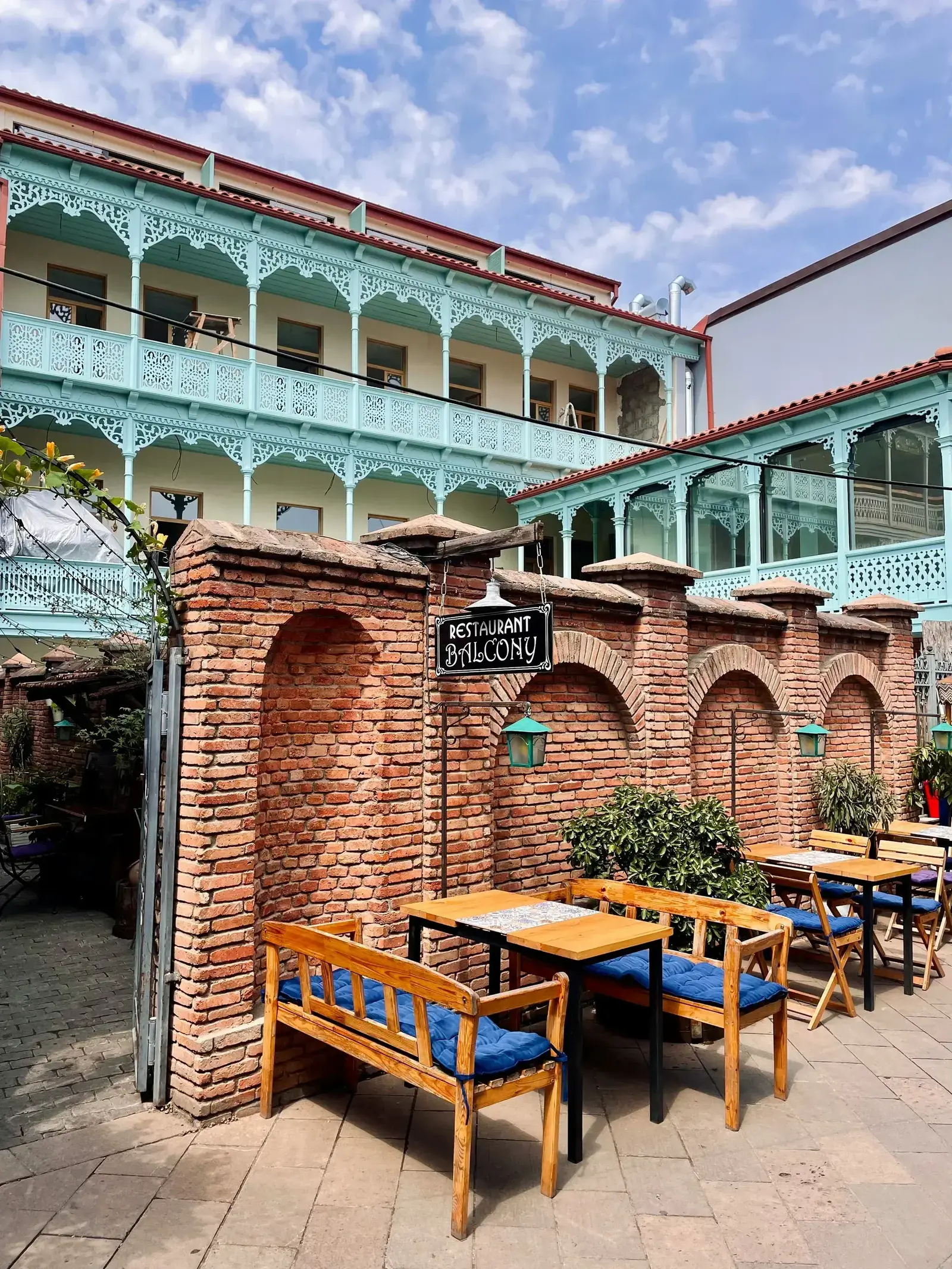
Georgia's holiday calendar blends Orthodox Christian traditions with national celebrations. Plan around these — banks close, offices empty, and the whole country shifts into celebration mode.
| Holiday | Date | What Happens |
|---|---|---|
| New Year's Eve | Dec 31 – Jan 2 | The biggest party. Fireworks, family feasts, midnight supra. Tbilisi goes all out. |
| Orthodox Christmas | January 7 | Church services, family gatherings, quieter than New Year's. Traditional foods like satsivi and gozinaki. |
| "Old" New Year | January 14 | A second New Year's celebration (Julian calendar). Georgians will use any excuse for a supra. |
| Easter | April/May (varies) | The most important religious holiday. Midnight church services, egg dyeing, family feasts. Everything closes. |
| Independence Day | May 26 | Military parade, national pride. Marks the 1918 declaration of independence from Russia. |
| Assumption of Mary | August 28 | Mariamoba — religious holiday, picnics, church visits. Many people head to the countryside. |
| Tbilisoba | October (last weekend) | Tbilisi's city festival. Street concerts, food stalls, wine, and everyone is outside. |
| Giorgoba (St. George's Day) | November 23 | Georgia's patron saint. Public holiday, church services, namesake celebrations. |
Gift-Giving Rules
Gift-giving in Georgia is more frequent and more important than most Western expats expect. Here are the rules — some explicit, some unspoken.
When Visiting a Home
Wine, sweets, chocolates, fruit, or flowers. Never arrive empty-handed. The gift doesn't need to be expensive — the gesture is what matters. If bringing flowers, always odd numbers (even = funerals).
Name Days
Georgians celebrate name days (the feast day of the saint they're named after). If you know someone's name day, acknowledging it — even with a text — earns enormous goodwill. It's like a second birthday.
From Abroad
If you've been abroad and return to Georgia, bring small gifts for people you're close to. Chocolate, coffee, or something from your home country. Returning from a trip without gifts for close friends is noticed.
Children
When visiting a family with kids, bring something small for the children. Candy, a toy, anything. Georgian parents will remember this more than any gift you bring for them.
Day-to-Day Etiquette
The small daily interactions that determine whether Georgians see you as "one of us" or "just another foreigner."
| Situation | Do This | Don't Do This |
|---|---|---|
| Greeting neighbors | Say gamarjoba to everyone you pass in your building | Ignore people or just nod silently |
| Public transport | Give up your seat for elderly people, pregnant women, and parents with kids | Stay seated while a grandmother stands |
| At restaurants | Let the host or elder order for the table at a supra; tip 10% at tourist restaurants | Split the bill ostentatiously — Georgians compete to pay |
| Photography | Ask before photographing people, especially in rural areas and at churches | Take photos during church services or of icons with flash |
| Smoking | Ask before smoking indoors (it's less common now but still happens in some settings) | Smoke near children or in someone's home without asking |
| Paying the bill | Offer to pay, but don't fight too hard if a Georgian insists — they consider it an honor | Let them pay every time without ever reciprocating |
Common Expat Mistakes
Calling It "Eastern Europe"
Georgia is in the South Caucasus. Georgians will correct you — politely at first. Georgia's cultural identity is unique: not European, not Asian, not Middle Eastern. It's Georgian.
Comparing to Russia
Don't say "this is just like Russia." The language isn't Russian. The alphabet isn't Cyrillic. The culture isn't Russian. Georgia fought two wars with Russia. This comparison is deeply unwelcome.
Refusing Food
Saying "I'm not hungry" to a Georgian host is almost an insult. Take something. Even a small plate. They spent hours preparing, and your refusal implies their effort doesn't matter. Eat something, always.
Not Learning Names
Learn the names of people you interact with regularly — your building's concierge, your favorite barista, the shop owner. Georgians value personal connection. Using someone's name changes the dynamic entirely.
Expecting Western Efficiency
Georgian bureaucracy can be surprisingly efficient (one-day company registration!) but some things move on Georgian time. Patience isn't just polite — it's essential. Getting visibly frustrated only makes things slower.
Living in the Expat Bubble
It's easy to spend all your time at international events, eating at English-menu restaurants, only socializing with other foreigners. You'll miss the best part of Georgia. Make Georgian friends. Eat where they eat. Go to their villages.
Driving Culture: Chaos With Its Own Logic
Nothing prepares you for Georgian driving. Not the YouTube videos, not the warnings from friends, not even watching it from a cafe terrace. The first time you are in a taxi weaving through oncoming traffic on a two-lane road at 120 km/h while the driver is on the phone, you will understand why this gets its own section.
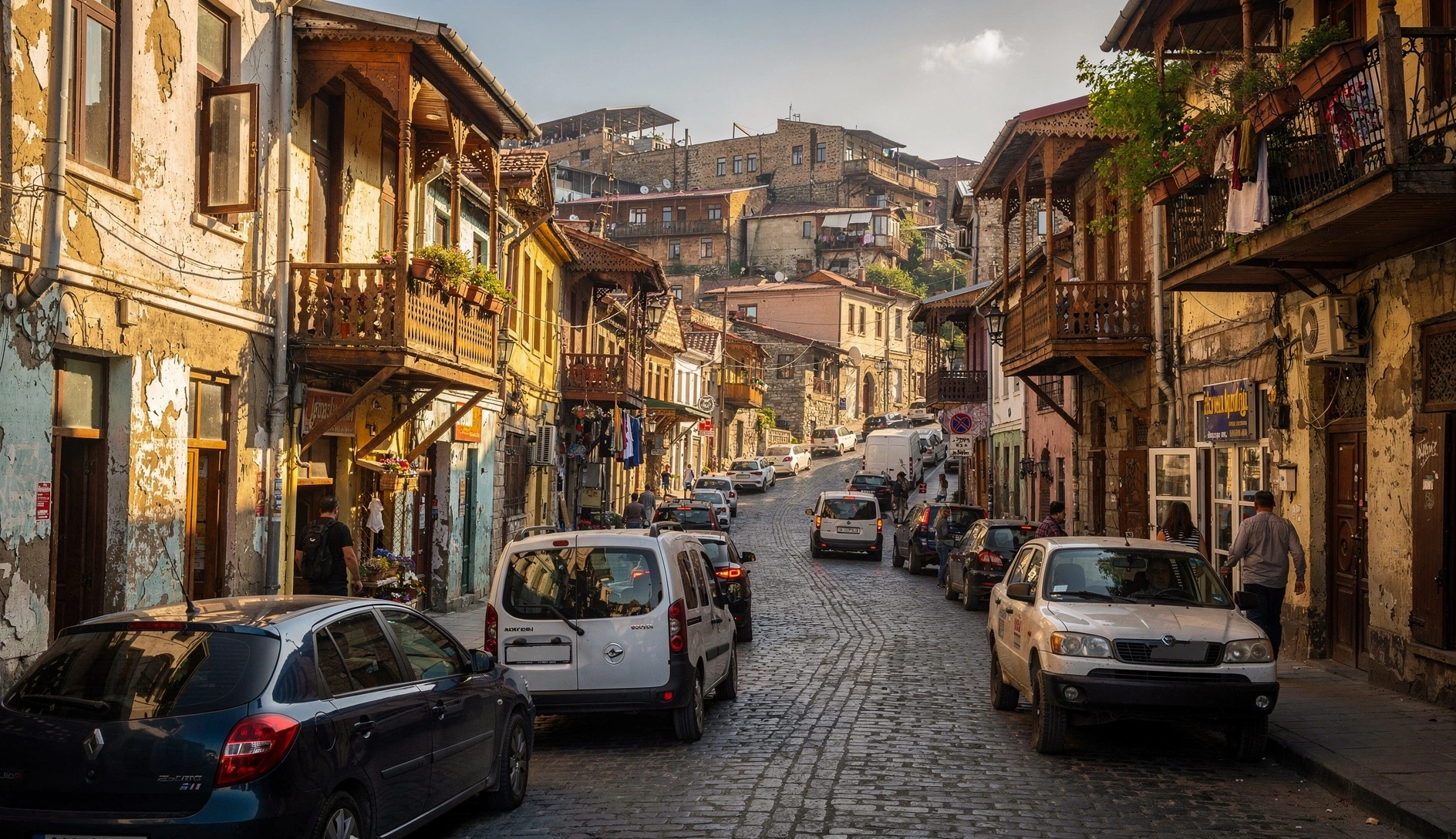
Georgian driving is not actually lawless. It follows its own unwritten rules that make sense once you decode them. The official traffic laws exist and are technically enforced (speed cameras are everywhere, fines are real), but the way people actually drive is a layer of improvised social negotiation on top of those rules.
| What You Will See | What It Actually Means |
|---|---|
| Cars in the oncoming lane | Overtaking. Normal and expected. The car being overtaken will usually move right slightly. Flash your lights to warn oncoming traffic. |
| Horn honking | Not anger but communication. Short honk means I am here. Long honk means I am coming through. Double tap means thanks or go ahead. Sustained horn means genuine emergency or frustration. |
| Hazard lights briefly | Thank you, usually after you let someone merge. The polite response is a flash of headlights meaning you are welcome. |
| Pedestrians crossing anywhere | Crosswalks are suggestions. Pedestrians walk into traffic and expect cars to adjust. As a pedestrian, make eye contact with drivers and cross deliberately. Hesitation is more dangerous than confidence. |
| Three cars in two lanes | Lane markings are decorative. Cars will squeeze into any gap. This feels terrifying for the first week and normal by the second month. |
| Cars stopped in the road | Double-parking is the national sport. You just go around them, even if it means crossing the center line. |
Mountain Roads
If you plan to drive in Georgia, start in Tbilisi and work your way up to mountain roads gradually. The Tbilisi-Kutaisi highway is tame. The road to Tusheti, a single-lane dirt track carved into a cliff face with no guardrails, is among the most dangerous roads in Europe. No amount of Google Maps can convey what unpaved mountain pass actually means in Georgia.
As a pedestrian, the most important survival skill is this: Georgian drivers are actually excellent at avoiding pedestrians, but they expect you to be predictable. Walk at a steady pace, do not stop in the middle of the road, and do not try to run. Counter-intuitive, but consistent movement is what drivers calculate around. Sudden changes in speed are what cause accidents.
Superstitions and Folk Beliefs
Georgia is a country where Orthodox Christianity, ancient pagan traditions, and regional folk beliefs have blended into a rich superstitious fabric that governs daily life more than most expats realize. You do not need to believe in any of this, but you do need to know about it because your Georgian friends, neighbors, and in-laws almost certainly do.
| Belief | What It Means | How Seriously Taken |
|---|---|---|
| Evil eye | Excessive compliments, especially of children or babies, can bring bad luck. Say let God protect after complimenting a child. | Very seriously, especially by older women. |
| No whistling indoors | Whistling inside a house drives away money and invites misfortune. You will be scolded. | Universally. Even younger Georgians will stop you. |
| Spilled salt | Means a quarrel is coming. Throw a pinch over your left shoulder to ward it off. | Moderately. Common knowledge, less strictly observed. |
| Corner of the table | Sitting at the corner means you will stay unmarried for 7 years. Especially enforced if you are single. | Semi-seriously, mostly with humor. |
| Black cat crossing | Bad luck. Some drivers will literally wait for another car to pass first so they do not cross the cat's path. | Varies. Some laugh it off, others genuinely avoid it. |
| Passing keys hand-to-hand | Causes arguments. Put them on the table and let the other person pick them up. | Seriously. Many Georgians follow this. |
| Broken mirror | Seven years of bad luck. Georgians add salt-throwing and prayer to the Western version. | Moderately. |
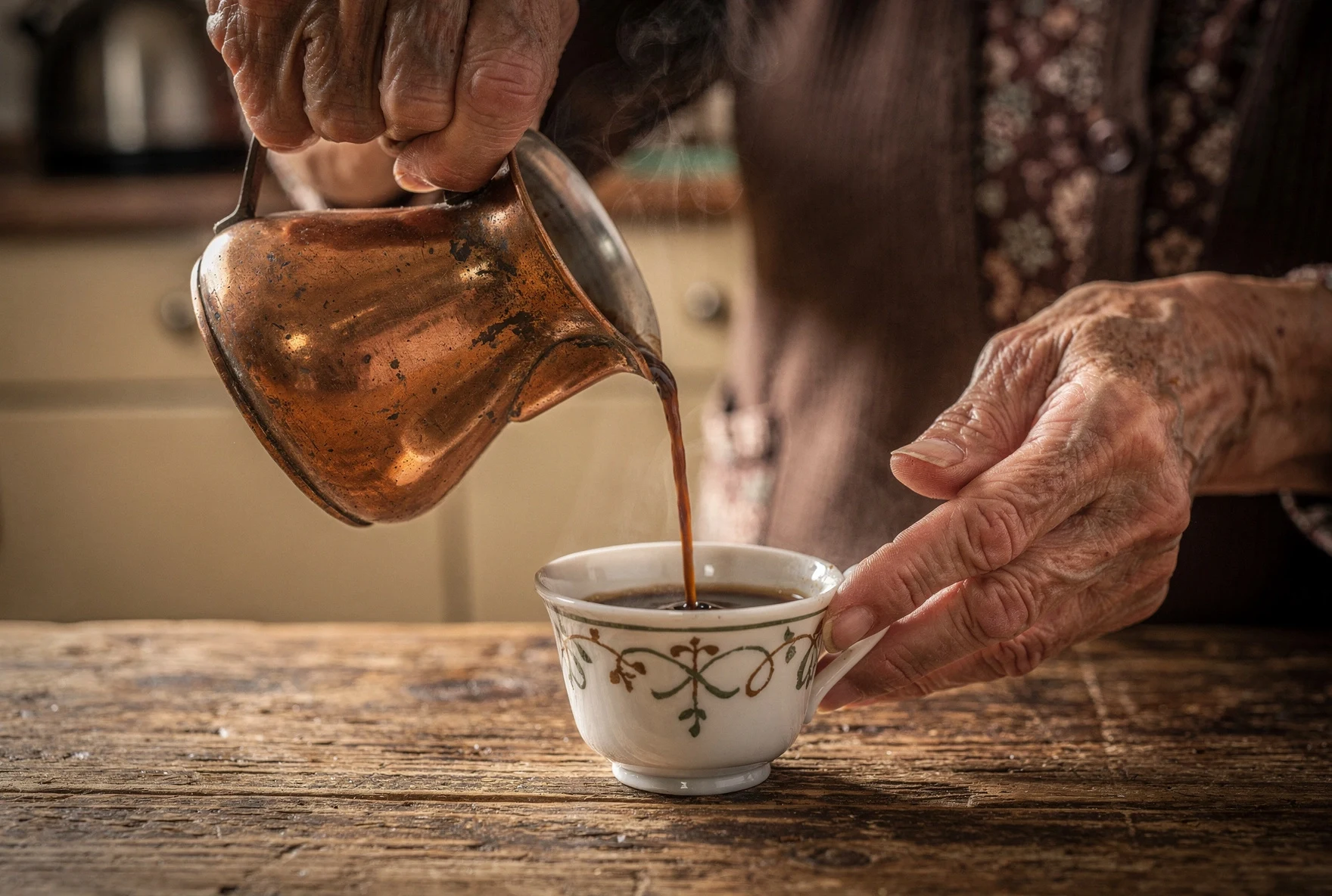
| Coffee fortune reading | After Turkish coffee, the cup is turned upside down. The grounds form shapes that are read for your future. Social ritual as much as belief. | Common social activity. Fun, not always literal. |
Babies and the Evil Eye
If you are having a baby in Georgia, be prepared: many Georgian families do not show the baby to non-family members for the first 40 days. They may put a red ribbon on the stroller or pin a small blue bead (evil eye amulet) to the baby's clothes. Even if you do not share the belief, respect it and do not take photos of other people's babies without asking.
Death and Mourning Customs
You will encounter Georgian mourning customs eventually, whether through a neighbor's passing, a colleague's family member, or a funeral procession in the street. Georgian death rituals are elaborate, deeply communal, and quite different from what most Westerners are used to.
The Three Days
The body is typically kept at home or sometimes a hospital morgue for three days. Family and friends visit continuously during this period. The home door stays open. Visitors come to pay respects, sit with the family, and share the grief. You are expected to visit if you know the family, even briefly.
The Kelekhi (Wake)
After the funeral, a feast is held called the kelekhi. This is a somber supra. There is a tamada, toasts are made to the deceased, and food is abundant. It might seem contradictory to have a feast after a funeral, but for Georgians, communal eating is how you honor someone. Refusing food here would be deeply inappropriate.
Memorial Days
Memorials are held on the 9th day, 40th day, 6-month and yearly anniversary of the death. These involve visiting the grave, bringing food and wine (often left on the grave), and another kelekhi. Family members may wear dark colors for up to a year.
What You Should Do
If someone you know loses a family member: visit the home during the three days. Dress conservatively in dark colors. Stay as long as feels natural. Even 15 minutes matters. Bring flowers, always in odd numbers.
Funeral Processions
You will sometimes see funeral processions in the street: a slow line of cars with hazard lights on, sometimes a band playing. When you see one, pull over and wait. Do not honk. Do not try to pass. Georgian drivers universally respect this. Even the most aggressive taxi driver will stop for a funeral procession.
Dating Georgians: What Nobody Warns You About
Dating in Georgia is its own cultural experience, heavily shaped by family involvement, traditional gender expectations, and a generational split between Tbilisi progressives and the rest of the country. Whether you are dating Georgian men or women, here is what to expect.
| Aspect | Traditional / Rural | Modern Tbilisi |
|---|---|---|
| Meeting someone | Through family, friends, or mutual connections. Cold approaches are unusual. | Apps (Tinder, Bumble), bars, social events. Similar to European cities. |
| Family involvement | High. Meeting the parents happens early and implies serious intentions. | Moderate. Parents still matter but there is more independence. |
| Who pays | The man. Always. Offering to split is seen as unmasculine. | The man, usually. Some younger women insist on splitting, but it is the minority. |
| Physical intimacy timeline | Slow. Often not until engagement or marriage, especially for women. | Varies widely. The younger crowd is more liberal but still generally slower than Western norms. |
| Moving in together | After marriage only. Living together unmarried is a scandal in most families. | Increasingly common among Tbilisi 20-somethings, but still done quietly. |
| Marriage expectations | If you are dating, marriage is the assumed destination. Dating just to see is confusing. | More relaxed, but long-term dating without marriage plans still raises questions. |
The Brother Factor
If you are a foreign man dating a Georgian woman, know that her brothers and father may want to meet you early. This is not a threat. It is how Georgian families operate. They are assessing whether you are serious and respectful. Be direct about your intentions, be polite, and do not get drunk at the first family meeting. If you are a foreign woman dating a Georgian man, expect his mother to be heavily invested in the relationship from early on.
A practical note: if your relationship gets serious and you are considering marriage in Georgia, know that the civil ceremony at the Public Service Hall takes about 15 minutes. The Georgian wedding celebration, however, can involve 200+ guests, a tamada, a multi-course supra, and go until 4 AM. Budget accordingly, both financially and emotionally.
The Generational Divide
One of the most important things to understand about Georgian culture is that there is not just one version of it. There is a massive generational split, arguably bigger than in most Western countries, between Georgians who grew up under the Soviet Union and those who grew up after independence in 1991.
| Topic | Older Generation (50+) | Younger Generation (18-35) |
|---|---|---|
| Language | Georgian + Russian. English is rare. | Georgian + English. Russian is declining but still functional. |
| Attitude to West | Mixed. Some nostalgic for Soviet stability. Others deeply pro-European. | Overwhelmingly pro-EU and pro-Western. Many have studied or worked abroad. |
| Church | Central to identity. Regular attendance. Deep respect for the Patriarch. | Cultural identification but lower attendance. Growing skepticism of Church political role. |
| Gender roles | Traditional. Clear expectations for men and women. | Evolving. More egalitarian in Tbilisi, though still more traditional than Western norms. |
| Social media | Facebook is massive. Main information source for many Georgians over 40. | Instagram, TikTok, Telegram. Facebook is for old people (but they still have accounts). |
| Hospitality | Intense. Full supra for visitors. Elaborate. Cannot say no. | Still warm but more casual. Come over for wine instead of a 6-hour feast. |
This matters for expats because your experience of Georgia depends enormously on who you are spending time with. If your social circle is 25-year-old Tbilisi tech workers, your Georgia will feel cosmopolitan, progressive, and European. If your landlord's family in Kakheti adopts you, your Georgia will feel traditional, communal, and deeply rooted. Both are genuine. Neither is the real Georgia.
Building Life and Neighborhood Culture
If you rent an apartment in Tbilisi, you are not just getting a flat. You are joining a micro-community. Georgian apartment buildings have their own social dynamics, and your relationship with your neighbors will shape your daily experience more than you expect.
The Concierge
Many buildings have a concierge, an older person (often a woman) who sits in the lobby and knows everything about everyone. She will receive your packages, let in your guests, and report any suspicious activity to the whole building within minutes. Be friendly with her. She is more powerful than the building manager.
Building Contributions
Most buildings have a monthly contribution (10-30 GEL) for shared expenses: elevator maintenance, stairwell lighting, cleaning. A building chairman collects this. Pay it on time. Non-payment is noticed and discussed. This is separate from your utility bills.
Noise and Privacy
Georgian buildings have thin walls and a culture that is more communal than Western apartments. Neighbors may knock on your door for sugar, salt, or to borrow tools. This is not intrusive. It is how community works here. Conversely, construction noise at 8 AM on a Saturday is normal and nobody will apologize for it.
The Balcony
In Georgian apartment culture, the balcony is the social interface. Neighbors chat across balconies, hang laundry, grow herbs, drink coffee, and smoke. If you have a balcony facing a courtyard, you will overhear conversations, music, and the entire emotional range of your neighbors' lives. That is normal.
The Courtyard (Ezo)
If you live in an older Tbilisi building, the inner courtyard (ezo) is the heart of neighborhood social life. Kids play there, neighbors gather, cats hold court. In summer, you might find someone grilling mtsvadi or a table set up for a spontaneous wine session. If your apartment overlooks the ezo, you are connected to the building's social pulse whether you want to be or not.
Money and Generosity
Georgians have a complex, almost contradictory relationship with money. The country is not wealthy. Average salaries are low by European standards. Yet the generosity is staggering. Understanding how money works socially will save you from constant awkwardness.
| Situation | The Unwritten Rule |
|---|---|
| Restaurant bill | Whoever invited pays. If nobody invited and you are equals, there is a mock-fight over the bill. Let the Georgian win the first time, then insist the next time. Splitting is considered cheap and transactional. |
| Taxi for a group | One person pays. Do not Venmo each other in front of Georgians. They will be baffled by the penny-counting. |
| Gifts | Georgians give generously and do not expect equivalent gifts in return. But they do expect reciprocity over time. It is a long-term balance, not a transaction. |
| Offering to pay for services | If a Georgian friend helps you with something (translating at a government office, driving you somewhere), offering money can be insulting. A bottle of wine or a dinner invitation is the correct currency. |
| Talking about salary | More open than in Western cultures. Georgians may ask what you earn. It is not rude, it is genuine curiosity. You can deflect politely, but do not act offended. |
| Lending money | Extremely common between friends and family. If someone asks to borrow, it is not a red flag. It is how the social safety net works. But set clear expectations about repayment, and do not lend what you cannot afford to lose. |
The core dynamic: Georgians would rather overextend themselves financially to be generous than be seen as cheap. A family earning 2,000 GEL per month will serve you a 500 GEL feast without blinking. This generosity is genuine, but as an expat, especially if you earn more, be mindful about always letting Georgians pay. Find natural ways to reciprocate without making it a competition.
Frequently Asked Questions
Is it rude not to drink alcohol in Georgia?
Not rude, but you'll face pressure, especially from older Georgians. Be clear and consistent. Health reasons are the most accepted excuse. Nobody will actually force you, but expect to explain yourself multiple times at the same supra.
Do Georgians really invite strangers home for dinner?
Yes. Especially in rural areas. If you're traveling outside Tbilisi and someone invites you to their home, they genuinely mean it. Accept, enjoy it, and bring something. These spontaneous supras are often the highlight of living in Georgia.
How conservative is Georgia compared to Western Europe?
On social issues (LGBTQ+ rights, gender roles, religion) — significantly more conservative. On lifestyle choices (drinking, smoking, staying out late) — more relaxed. On economics and business — surprisingly liberal. It's a complex mix that doesn't map neatly onto Western liberal/conservative categories.
What's the dress code in Tbilisi?
Tbilisi is relaxed. Casual wear is fine everywhere except churches and some formal restaurants. Georgians do tend to dress up more than, say, Northern Europeans — especially for evening outings. You won't be judged for wearing jeans, but you might feel underdressed at a nice dinner.
Should I tip in Georgia?
Tipping isn't deeply ingrained in Georgian culture. 10% at tourist-oriented restaurants is appreciated. At local restaurants where a meal costs 15–25 GEL, rounding up is enough. Tip in cash when possible. Delivery drivers and hairdressers: rounding up is standard.
What are the most important Georgian superstitions to know?
Never whistle indoors (it drives away money), always bring odd numbers of flowers (even is for funerals), don't sit at the corner of a table (you'll stay unmarried for 7 years), and don't pass keys hand-to-hand (it causes arguments). The evil eye belief is taken seriously, especially regarding babies and young children.
Is Georgian driving really as bad as people say?
It is chaotic by Western standards, but it follows its own logic. Drivers communicate through horn honks and light flashes, lane markings are treated as suggestions, and pedestrians cross wherever they want. As a pedestrian, the key survival skill is to walk at a steady pace without stopping. Georgian drivers are skilled at avoiding you — as long as you are predictable.
Is it normal for Georgians to ask personal questions?
Yes. Questions about your age, salary, marital status, and whether you have children are standard small talk. Commenting on your appearance ("you look tired," "you've gained weight") is also normal and meant with care, not cruelty. Don't take offense — this is how Georgians express interest and concern.
Written by The Georgia Expats Team
Based on years of navigating Georgian social life, attending countless supras, learning when to drink and when to refuse, and gradually understanding the cultural patterns that make this country unlike anywhere else. We got most of these wrong before we got them right.
Last updated: February 2026.
Related Articles
Daily Life in Tbilisi
Internet, SIM cards, groceries, transport, and social life.
Is Georgia Safe?
Crime stats, real dangers, and honest safety advice.
Moving to Georgia: Relocation Checklist
Everything you need in the order you'll need it.
Best Neighborhoods in Tbilisi
Where to live — rent prices, vibes, and pros/cons.